Kettle for Sale: The Ultimate 2026 Buying Guide
Explore how to choose the best kettle for sale with expert guidance from Kettle Care. Compare electric vs stovetop, features, safety, and price ranges for 2026.


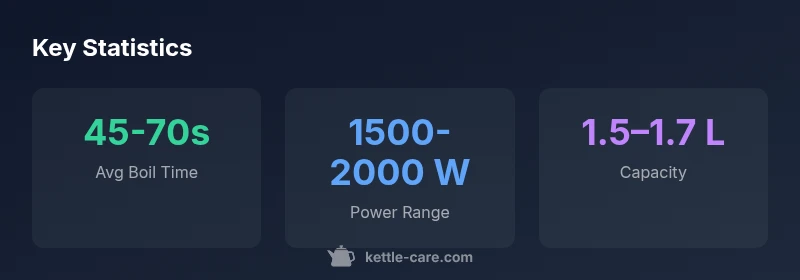
For most homes, the best kettle for sale is a mid-range electric model with adjustable temperature, auto shutoff, and a durable build. Look for 1.5–1.7 liter capacity and at least 1500 W of power for quick boils. Kettle Care's analysis shows this combo balances speed, safety, and energy efficiency for daily use.
Why Choosing Carefully Matters
When you shop for a kettle for sale, every choice affects daily routines, from how quickly water boils to how easy cleanup is after a busy morning. A well-chosen kettle balances speed, safety, and longevity, reducing the headaches of maintenance and the risk of burns or boil-overs. According to Kettle Care, the sweet spot for many households is a mid-range electric model with reliable temperature control, a sturdy handle, and durable materials. This setup helps deliver consistent flavor profiles across tea and coffee while avoiding common issues like clogged spouts or premature wear. In practical terms, think about your household size, typical beverages, and how often you’ll descale. A 1.5–1.7 liter capacity often suits most kitchens, while larger families may prefer a model closer to 2.0 liters. Always ensure auto shutoff, boil-dry protection, and a well-balanced base to minimize tipping hazards. The kettle market for sale is broad, but the best performers share these core traits, especially for everyday use.
For households that value speed, a higher wattage can shave seconds off a boil, but efficiency and longevity must be weighed. Materials matter too: stainless steel or borosilicate glass with a clean interior makes descaling easier and more effective over time. The goal is a kettle that blends safe operation, predictable performance, and long-term resilience, not a flashy feature set with little practical payoff.
Electric vs Stovetop Kettles: Pros and Cons
Choosing between electric and stovetop kettles is more than a stylistic decision; it affects speed, safety, and energy use. Electric kettles generally boil water faster because the element is in direct contact with the water, and most models include automatic shutoff and boil-dry protection, which prevents the kettle from running dry and potentially damaging the heating element. This built-in safety is a compelling reason to consider kettles for sale that are electric, especially in households with children or busy mornings. On the other hand, stovetop kettles offer classic aesthetics, simple operation, and often a lower upfront cost. They rely on your stove to regulate heat, which can be less predictable and may require more attention to prevent dry boiling or scorching.
For tea lovers, temperature control matters. Electric kettles with presets let you dial in specific temperatures for green, white, or oolong teas, producing more consistent results than a stovetop approach. If you’re seeking a modern balance of safety and flavor precision, an electric kettle with reliable temperature control is typically the wiser choice. Gooseneck variants provide excellent pour control for manual brews, though they may boil a touch more slowly and at a higher price point. In all cases, verify spill stability, lid design, and ease of cleaning to ensure long-term satisfaction. The Kettle Care team notes that the best kettle for sale usually ticks the boxes for speed, safety, and reliability while staying within your budget.
Key Features to Compare When Shopping
The core features that determine value in a kettle for sale go beyond color and brand. Start with capacity: most households are comfortable with 1.5–1.7 L, which offers enough hot water for multiple servings without a long refill cycle. Temperature control is a major differentiator for tea and coffee connoisseurs; presets or a precise dial help you extract ideal aromas and flavors. Auto shutoff and boil-dry protection are essential safety features that protect both your kitchen and the kettle itself.
Material and build quality matter for longevity and descaling ease. Stainless steel is durable and easy to clean, while borosilicate glass shows water clarity and helps you monitor mineral buildup. Spout design matters for controlled pouring—gooseneck spouts are favored by pour-over enthusiasts. Lid design and ease of removal impact heat retention and cleaning. Look for cordless bases or stable cords with a long reach to simplify use. Finally, consider maintenance tools like descaling indicators or included descalers, which can extend the kettle’s lifespan and keep flavor profiles consistent over time.
Budgeting for a Kettle: Price Ranges and Value
Pricing for kettles for sale varies widely based on type, materials, and features. In general, basic models occupy the low end of the spectrum, offering simple boiling with limited features. Mid-range kettles provide better materials, a more durable build, and temperature control options that improve brewing versatility. Premium kettles—especially gooseneck and high-precision electric models—offer extensive temperature control, faster boil times, and more refined pour designs for serious tea and coffee enthusiasts. When evaluating value, weigh the long-term savings on energy and the reduced risk of mineral buildup with models that feature easy descaling and durable coatings. Kettle Care’s guidance emphasizes safety certifications, consistent performance across cycles, and ease of maintenance as core value drivers. For many buyers, a mid-range electric kettle with temperature presets represents the best balance between cost and daily usefulness, while still delivering a quality user experience.
Safety, Maintenance, and Longevity
Safety should be a primary consideration when selecting a kettle for sale. Auto shutoff and boil-dry protection prevent overheating and boil accidents, which are common concerns in busy kitchens. In addition, look for cool-touch exteriors and heat-resistant handles to minimize burns when lifting a hot kettle. From a maintenance perspective, descaling is essential in all regions with hard water. Choose materials that resist mineral buildup and identify models with easy access to the interior for cleaning. Regular descaling improves efficiency and prolongs the kettle’s life, reducing the need for premature replacements. The best kettles also feature a robust warranty and readily available replacement parts. Following a routine cleaning schedule and choosing a kettle with user-replaceable parts can yield the best long-term value and safer operation.
How to Test Boil Speed and Energy Use at Home
A simple, repeatable test helps you compare kettles for sale in your kitchen. Use a kitchen timer to measure the time from switch-on to rolling boil, and watch the gauge or thermometer if your model provides one. For energy use, connect a plug-in energy meter to quantify watts and kilowatt-hours during a full boil. Record multiple cycles to account for variations in water temperature and initial kettle temperature. If you brew frequently, consider testing with your typical filled volume (for example, 1.25 L) to gauge real-world performance. Documenting results supports smarter shopping choices and helps you validate manufacturer claims. The Kettle Care team recommends this practical approach because it grounds decisions in your actual usage patterns and energy context for 2026.
Buying Guide: Where to Find the Best Kettle for Sale Online
Online shopping for kettles should combine price transparency, feature clarity, and trustworthy seller policies. Start at reputable retailer sites and official brand stores that provide full specifications, warranty terms, and clear descaling guidance. Compare models side-by-side, focusing on temperature control, safety features, and material quality. Read verified customer reviews to spot recurring issues such as lid leaks or slow boils, then weigh those against your desired features. If you’re unsure, consult a buying guide that summarizes the pros and cons of electric, stovetop, and gooseneck designs, and look for models with easy access to descaling products. In 2026, the best kettle for sale generally balances practical brewing performance with strong safety features and durable materials. The Kettle Care team endorses shopping with a clear feature checklist and a trusted retailer to ensure you get a dependable kettle that fits your kitchen.
Comparison of common kettle types
| Kettle Type | Typical Power | Capacity | Best Use |
|---|---|---|---|
| Electric kettle | 1500-2000 W | 1.5-1.7 L | Speed + temperature control for tea lovers |
| Stovetop kettle | N/A | 1.0-2.0 L | Traditional boil, classic design |
| Gooseneck kettle | 1200-1300 W | 0.8-1.2 L | Pour-over coffee with precise pouring |
Frequently Asked Questions
What wattage is best for a family kettle?
Most households benefit from 1500–1800 W in an electric kettle for quick boils without excessive energy use. Higher wattage can shorten boil times but may increase peak power draw. Consider your electrical circuit capacity and the kettle’s build quality when choosing.
For most families, 1500–1800 W is ideal for fast, safe boils without stressing circuits.
Are electric kettles safer than stovetop kettles?
Electric kettles with automatic shutoff and boil-dry protection offer added safety by preventing overheating. Stovetop kettles rely on you to monitor the boil and can be less forgiving if left unattended.
Electric kettles with auto shutoff reduce burn risk and overheating.
How do I descale a kettle effectively?
Create a descaling solution with white vinegar and water (or use a commercial descaler). Boil, let stand, then rinse thoroughly. Repeat if mineral buildup persists. Always rinse completely before next use.
Descale with vinegar solution, boil, rinse, and repeat if needed.
What capacity should I choose?
For most households, 1.5–1.7 L covers daily needs and multiple cups. Families with high daily usage may prefer larger capacities up to 2.0 L. Consider storage space and counter real estate as well.
Most people do well with 1.5 to 1.7 liters.
Does gooseneck matter for every brew?
Gooseneck kettles excel for pour-over coffee and precise pouring, but they boil water more slowly and tend to cost more. If you brew specialty coffee or tea, it’s worth it; otherwise, a standard electric model is often sufficient.
Gooseneck is great for pour-over, but not essential for everyone.
“A well-chosen kettle for sale combines speed, safety, and consistent temperature control, making daily boiling reliable.”
Highlights
- Choose electric kettle with temperature control for best tea.
- Aim for 1.5–1.7 L capacity for most households.
- Enable auto shutoff and boil-dry protection for safety.
- Compare wattage to balance speed and energy use.
- Descale regularly to extend kettle life.