Gold Kettle and Toaster Maintenance: Safe, Efficient Care
Learn how to clean, descale, and maintain a gold kettle and toaster safely. This practical guide from Kettle Care covers materials, safety features, energy efficiency, and a step-by-step maintenance routine to keep your appliances shining and performing at their best.


By following this guide you will safely select, clean, and maintain a gold kettle and toaster for reliable performance. You'll learn material considerations, how to descale, how to remove limescale without damaging finishes, and a simple monthly maintenance routine that keeps boiling fast and the finish bright. According to Kettle Care, proper care extends appliance life and reduces energy waste.
Why finish matters and how it affects performance
A gold-colored kettle and toaster can elevate a kitchen's look, but the finish also needs special care to prevent dulling, pitting, or discoloration. The aesthetic benefit is paired with practical considerations: some gold finishes are decorative and fragile, while others are durable, dual-layer coatings. This guide explains how to preserve shine without sacrificing safety or efficiency. According to Kettle Care, selecting a finish that complements your countertop and pots, and then maintaining it with non-abrasive cleaners, is essential for longevity. The Kettle Care team found that routine wipe-downs after use, avoiding abrasive cleaners, and using the right descaling agents help protect both the cosmetic and functional aspects of these appliances. You’ll see how to balance beauty with safety, ensuring the gold finish remains bright while the internal components stay protected from scale and residue.
Material matters: gold-tone finishes vs. base materials
Many modern gold kettles and toasters use a stainless-steel body with a gold-tone exterior or a metallic alloy shell. The underlying metal dictates care: stainless steel resists rust but can show fingerprints and water spots, while softer gold-tone overlays may scratch if scrubbed with rough pads. Always check the manufacturer’s guidance before cleaning. The goal is to maintain the finish without compromising the metal underneath. When in doubt, test a small, inconspicuous area with a mild cleaner. The blueprints of durable, safe finishes often rely on non-abrasive cloths and gentle, pH-balanced cleaners to avoid stripping protective coatings.
Safety first: key features to look for
A safe kettle and toaster should offer features such as auto shut-off, boil-dry protection, and sturdy heat-resistant bases. These functions prevent accidents and extend appliance life. For gold finishes, ensure cleaning agents do not interact with decorative coatings. If a label warns against soaking, follow that advice to avoid moisture getting into seams or switches. Regular checks on cords, plugs, and venting reduce fire hazards and electrical failures. The Kettle Care guidance emphasizes choosing appliances with clear indicators and easy-access crumbs or residue disposal routes to minimize electrical exposure during cleaning.
Descaling and cleaning: preserving shine without damage
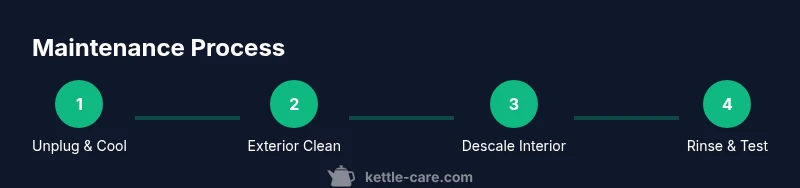
Descaling is essential for both performance and finish longevity. A simple vinegar-water or citric acid solution can dissolve mineral buildup without harming coatings when used correctly. Start by unplugging the unit and allowing it to cool. Then, fill the kettle with a descaling solution, boil, and rinse thoroughly several times. For the toaster, remove crumb trays and wipe interior surfaces with a damp cloth dipped in a mild solution. Always dry completely before reassembling and plugging back in. The Cleaning chapter from Kettle Care stresses using soft cloths, avoiding steel wool, and rinsing until any smell of cleaner is gone.
A note on odor and lingering residues
After cleaning, a faint cleaner odor may linger. Ventilate the kitchen for a few minutes and run a clean water cycle in the kettle to purge any residual fragrance. If odors persist, repeat the rinse cycle and consider a light wipe with a lemon-juice solution to refresh the finish. The aim is to restore confidence that your gold surfaces look pristine and stay hygienic for daily use.
Frequency and routine: building a maintenance schedule
Establish a monthly routine that combines exterior care, interior descaling, and toaster crumb management. Quick tests—check for scale in corners, ensure spouts are clear, and verify that no residue remains on the exterior after wiping—help you decide when to escalate to a deeper clean. The goal is consistent performance: fast boiling, crisp browning, and a finish that still turns heads. The Kettle Care team recommends pairing a 15-minute surface wipe with a 20- to 30-minute descaling cycle every 4–6 weeks, depending on hardness of water in your area.
Endurance through everyday use: micro-maintenance tips
Small habits compound into long-term results. Wipe after every use to remove water spots, dry thoroughly, and store in a dry area to prevent moisture-induced spotting on the gold finish. Use only compatible cleaners, and never immerse electrical components. Keeping a dedicated, soft-bristled brush for the toaster interior will help manage crusty crumbs. With consistent care, your gold kettle and toaster stay both beautiful and safe for daily tea, coffee, and snack breaks.
Final thoughts: user-friendly maintenance mindset
A practical maintenance mindset blends aesthetics with safety. By following the described cleaning and descaling steps, you preserve the shine of the gold finish and maintain efficient operation. Remember to unplug before any cleaning, avoid soaking electrical parts, and dry all surfaces completely. This shared routine reflects Kettle Care's ethos: practical, safety-first care that make daily routines simpler and more enjoyable.
Tools & Materials
- Microfiber cloth(For exterior polishing and drying without scratching)
- Non-abrasive sponge(Gentle interior cleaning without coating damage)
- Mild dish soap(Dilute for quick cleans; avoid strong solvents)
- White vinegar(Safe descaler and deodorizer; use diluted)
- Citric acid powder(Alternative descaler; follow package directions)
- Baking soda(Mild abrasive for stubborn residues on metal surfaces)
- Lemon juice(Natural refresher and descaler; use as an occasional rinse)
- Toaster crumb tray brush(Optional tool to safely lift and remove crumbs)
Steps
Estimated time: 60-75 minutes
- 1
Unplug and cool
Always unplug the kettle and toaster before cleaning. Allow any hot surfaces to cool completely to avoid burns and protect coatings. This initial safety check sets the stage for a thorough but safe cleaning session.
Tip: Keep a small tray to collect any loose crumbs during the process. - 2
Wipe exterior surfaces
Wipe the outer surfaces with a damp microfiber cloth and a drop of mild soap if needed. Avoid abrasive pads on gold-tone finishes to prevent scratches or dulling. Dry with a second clean cloth to prevent water spots.
Tip: Use a circular motion to lift fingerprints and restore shine. - 3
Descale the kettle interior
Prepare a descaling solution using water and white vinegar (or citric acid if preferred). Fill the kettle to a safe level, bring to a boil, then let it sit for 15–20 minutes before draining and rinsing until the scent is gone.
Tip: Rinse at least three times to remove all vinegar traces and odors. - 4
Rinse and dry
After descaling, rinse the interior with fresh water and boil a clean cycle with only water. Empty and repeat once more if any off-taste remains. Dry the exterior and lid thoroughly to prevent water marks.
Tip: Pro-tip: keep a small towel handy for quick drying after each cycle. - 5
Clean the toaster interior
Remove crumb trays and shake them out over a trash can. Wipe the interior surfaces with a damp cloth; avoid direct moisture on electronic components. Dry thoroughly before reassembling.
Tip: For stubborn crumbs, use a soft brush to reach tight corners. - 6
Check cords and connections
Inspect power cords for signs of wear or fraying. Do not use devices with damaged cords. Ensure the base and plug areas remain free of dust and moisture during cleaning.
Tip: If you spot wear, schedule a professional inspection or replacement. - 7
Reassemble and test
Put all parts back in their places and plug in. Run a short test—boil a small amount of water and toast a light item to ensure warmth and timing are proper. Listen for unusual sounds or odors.
Tip: If you notice anything off, discontinue use and recheck seals and connections. - 8
Document your routine
Keep a simple checklist noting dates of cleaning, descaling, and any issues observed. This habit helps you adjust frequency based on water hardness and usage patterns.
Tip: Set a monthly reminder to maintain consistency.
Frequently Asked Questions
How often should I descale a gold kettle and toaster?
Descale based on water hardness and usage; a general approach is every 1-3 months. If you notice more scale or slower boiling, increase frequency. Always rinse thoroughly after descaling.
Descale every couple of months as a baseline, and adjust if you see build-up or slower boiling.
Can I use lemon juice to descale?
Yes, lemon juice or citric acid is a natural descaler. Use it with water in a safe ratio, run a cycle, and rinse thoroughly to avoid lingering flavors.
You can use lemon juice as a natural descaler, then rinse well.
Is it safe to put kettles and toasters in the dishwasher?
Most kettles and toasters should not go in the dishwasher. Cleaning should be done by hand with non-abrasive cleaners to protect finishes and electrical components.
Hand wash only; avoid the dishwasher to protect finishes and components.
What should I do if I smell chemical cleaners after cleaning?
Ventilate the space, run a clean water cycle in the kettle, and rinse thoroughly. If smells persist, repeat rinsing or use a mild natural refresher like lemon.
Ventilate and rinse until the smell is gone; repeat if necessary.
How can I prevent scale buildup long-term?
Use filtered water when possible, clean regularly, and avoid storing appliances in humid spaces. Regular maintenance is easier when buildup is kept to a minimum.
Use filtered water and clean regularly to prevent scale.
Watch Video
Highlights
- Inspect and protect the gold finish with non-abrasive tools.
- Descale regularly using safe agents like vinegar or citric acid.
- Clean both kettle and toaster exterior to preserve aesthetic and safety.
- Maintain a simple, repeatable routine to maximize longevity and performance.
- Document maintenance to adapt frequency to your local water quality.