Kettle to the mettle: A practical kettle care guide
Discover a practical kettle care routine—from cleaning and descaling to safe boiling. Learn steps to boil faster, save energy, and extend your kettle's life.


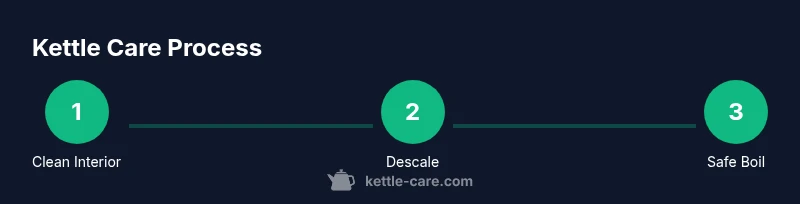
Learn a practical, safe routine to keep your kettle to the mettle performing at peak speed and safety. This guide covers regular cleaning, descaling mineral buildup, and correct boiling practices to prevent overheating. You’ll implement a repeatable care routine that preserves flavor, reduces energy use, and extends kettle life—keeping every brew reliably hot and safe.
The foundation of kettle care
Good kettle care starts with understanding how heat, minerals, and water quality interact with metal and plastic components. When you treat the kettle as a small but vital appliance, you compound safety, speed, and taste across every brew. The kettle to the mettle approach ties three pillars together: interior cleanliness, material-friendly descaling, and mindful boiling practices. By maintaining the interior and exterior, you reduce scale buildup, prevent overheating, and preserve the kettle's performance over years of daily use. This section lays the groundwork for a sustainable routine that fits into a busy kitchen. According to Kettle Care, the simplest gains come from a consistent, non-abrasive wipe-down after each use, followed by a weekly descaling cycle for mineral-heavy water. The goal is to keep the heating element free of deposits, ensure a tight lid seal, and minimize any odd tastes in your tea or coffee. Start here to set a durable, safe habit.
Quick safety checks before you boil
Before you plug in or lift the lid, perform a quick safety check to avoid accidents and damage. Always unplug the kettle before cleaning, and ensure the power base is on a dry, stable surface away from water splashes. Close the lid fully to prevent steam from escaping and register the water line at the correct minimum and maximum marks. Inspect the power cord for cracks and the plug for warmth after use; a warm plug can indicate overload. Keep the kettle away from children and pets during cleaning, and never immerse the entire unit in water. If you notice unusual smells or noises, stop using it and inspect the heating element. These precautions help maintain safety and extend kettle life.
Cleaning and descaling routines
A disciplined cleaning routine protects both interior and exterior surfaces. Start with a light wipe-down of the exterior to remove fingerprints and mineral dust. For the interior, fill with clean water and a gentle descaler or citric acid solution, then bring to a boil and pause to let the solution sit for 5–10 minutes. Rinse thoroughly with fresh water several times to remove all residues. For stubborn mineral deposits, repeat the descaling step and use a soft brush to dislodge buildup without scratching the interior surface. After cleaning, air-dry the interior to prevent water spots and corrosion. This routine minimizes mineral buildup, improves heat transfer, and preserves flavor in your brews.
Energy efficiency and speed tips
Speed and energy efficiency come from sensible choices. Use only the water you need for a given brew—boiling extra water wastes energy. If your kettle supports it, preheat the water you’ll pour into mugs or teapots to shave a few seconds off the final boil. Keep the lid closed during the boil to maximize heat retention. Regular descaling maintains heat transfer efficiency, allowing the kettle to reach boiling point faster. A well-maintained kettle also uses less energy over time, reducing your electricity footprint.
Choosing cleaning agents and descalers
Choose gentle, kettle-safe descalers. Citric acid-based descalers are effective and less harsh on stainless and plastic finishes compared to strong mineral acids. If you don’t have a descaler, white vinegar can work, but use it sparingly and rinse thoroughly to avoid any vinegar aftertaste. Never mix bleach with any descaler or cleaning agent. For sensitive kettles, test a small, inconspicuous area first. Always follow manufacturer guidelines, and opt for products labeled safe for metal and plastic components. This choice preserves the interior finishes while delivering reliable descaling results.
Maintenance schedule by kettle type
Electric kettles benefit from a monthly descaling cycle and a quarterly full clean, especially in areas with hard water. Stovetop kettles should be wiped down after each use, with a deeper clean or descaling every 2–3 months depending on mineral load. If your kettle has a nonstick interior, use gentler descalers and avoid abrasive scrubbers. Bakeware brushes or coarse sponges can damage coatings, so stick with soft tools. A simple calendar reminder helps you stay on track and maintain peak performance over time.
Troubleshooting common issues
If your kettle is slow to boil, this usually signals limescale buildup or partial blockages in the spout or lid seal. Perform a thorough descaling cycle and inspect the lid gasket for wear. A persistent white crust on the interior indicates stubborn mineral deposits—repeat the descaling process and rinse thoroughly. If you hear odd noises or detect a burning smell, stop using the kettle, unplug it, and inspect the heating element and lid area for damage. A leak at the base often points to a worn seal or loose fittings that should be replaced by a professional or the manufacturer.
Practical tips for daily tea preparation
In daily practice, pre-warm mugs with a small amount of hot water before pouring to reduce heat loss during the final pour. Use freshly boiled water for each infusion when possible to preserve flavor and aroma. Keep a small bottle of descaler on hand for quick maintenance—a quick weekly wipe-down combined with a light descaling cycle preserves flavor profiles and reduces metallic notes in your tea. By building a simple routine, you ensure consistent taste and faster, safer boils each day.
Tools & Materials
- Soft microfiber cloth(for exterior wipe-down and lid handling)
- Non-abrasive sponge(gentle internal scrubbing if needed)
- Measuring cup(to measure water for descaling solution)
- Citric acid-based descaler or white vinegar(choose safe descaler; avoid bleach)
- Distilled water(used for rinsing to prevent new mineral buildup)
- Soft brush or old toothbrush(for gentle interior corners)
- Heat-resistant gloves(protect hands during hot descaling steps)
Steps
Estimated time: Estimated total time: 45-60 minutes
- 1
Inspect and prepare
Unplug the kettle and remove the lid. Check for visible damage or wear on the spout, lid seal, and base. Gather your descaling tools and set up a clean workspace.
Tip: Pre-arrange your descaling solution so you can work without interruptions. - 2
Empty and wipe exterior
Dump any remaining water. Wipe the exterior with a damp microfiber cloth to remove fingerprints and mineral dust before deeper cleaning.
Tip: Avoid soaking the base—keep moisture away from electrical components. - 3
Prepare interior descaling solution
Mix a safe descaling solution according to your product or recipe (e.g., citric acid with warm water). Do not use highly concentrated acids.
Tip: Use distilled water if your tap water is very hard. - 4
Descale interior and bring to boil
Fill the kettle with the solution, bring to a boil, then turn off and let it sit for 5–10 minutes to loosen mineral buildup.
Tip: If deposits are heavy, repeat once more, then proceed to rinse. - 5
Rinse thoroughly
Discard the solution and rinse with clean, fresh water several times to remove all residues. Use a soft brush for stubborn spots if needed.
Tip: Rinse until no odor or haze remains in the water. - 6
Descale exterior and components
Wipe the exterior again. Gently scrub the lid gasket and spout area to remove buildup without damaging seals.
Tip: Be careful around the lid mechanism; excessive force can misalign seals. - 7
Boil and flush
Boil a full kettle of clean water, discard, and rinse again. This helps remove any lingering residues from the interior.
Tip: Repeat if you detect any off-taste in a small test brew. - 8
Dry and test
Dry all components completely before reassembly. Refill with fresh water and perform a test boil to confirm proper operation.
Tip: Ensure the base is dry before plugging back in.
Frequently Asked Questions
How often should I descale my kettle?
If you have hard water, descale every 1–2 months; in softer water, every 3–4 months is usually sufficient. Adjust based on mineral buildup and taste.
Descale every one to two months in hard water areas, and adjust according to buildup and taste.
Is descaling with vinegar safe for all kettles?
Vinegar can be used for descaling some kettles, but always rinse thoroughly and check the manufacturer’s guidelines. Some coatings may be sensitive to acidic cleaners.
Vinegar works for some kettles, but always rinse well and follow the manufacturer’s guidelines.
Can cleaning damage the kettle’s coating?
Aggressive scrubbing or abrasive cleaners can scratch coatings. Use soft cloths or brushes and non-abrasive sponges to protect finishes.
Avoid abrasives to protect coatings; use soft tools and mild cleaners.
Should I boil only the amount of water I need?
Boiling only what you need saves energy and reduces mineral buildup inside the kettle. It also minimizes the surface area exposed to heat.
Boil only what you need to save energy and reduce buildup.
What should I do if the kettle leaks after cleaning?
If a leak appears, unplug immediately and inspect seals and gaskets. If the leak persists, contact the manufacturer or a service professional.
Unplug and inspect seals; if it continues to leak, seek professional help.
Can I use lemon juice for descaling?
Lemon juice is milder than vinegar or citric acid and can help with light buildup, but it’s less effective on heavy deposits. Rinse thoroughly afterward.
Lemon juice works for light buildup; rinse well afterward.
Watch Video
Highlights
- Develop a simple, repeatable care routine.
- Descale regularly to preserve heat efficiency.
- Rinse thoroughly to prevent aftertaste.
- Choose safe descalers and avoid harsh chemicals.
- Maintain kettle type-specific cleaning schedules.