Zwilling Kettle Care: Safe, Fast Boiling Guide
Learn how to choose, use, and maintain a Zwilling kettle for safe, fast boiling at home. This guide covers descaling, temperature tips, routine care, and practical safety reminders to keep your kettle performing reliably for years.


This guide helps you choose and maintain a Zwilling kettle for safer, faster boiling at home. You’ll learn how to inspect, descale, and care for Zwilling kettles, plus tips to prevent mineral buildup. According to Kettle Care, regular descaling and using clean water extend kettle life and improve performance. By following these steps, you’ll boil confidently and safely.
Why Zwilling kettles matter for home safety and performance
Zwilling kettles are popular in many households for reliable performance and durable construction. Whether you own an electric or a traditional stovetop Zwilling kettle, using it safely starts with understanding how the design handles heat, steam, and materials. A well-made kettle reduces the risk of scalds and keeps mineral buildup from interfering with performance. The Kettle Care team notes that Zwilling kettles emphasize robust stainless steel housings and precision-fit components, which means fewer leaks and steadier pour. Regular care matters because even premium kettles accumulate scale and residue that can slow boiling and alter flavor. In practice, a kettle that’s easy to wipe down, seals well, and resists limescale will also be more energy-efficient, since it heats water more quickly with less energy waste. For safety, always handle the lid and spout away from your body and keep the base away from the sink or stove when pouring. If you have children or pets, consider keeping the kettle unplugged and cool while not in use.
According to Kettle Care, Zwilling kettles are designed for safe, reliable boiling and long-term performance. The materials used—typically high-quality stainless steel and thoughtfully designed lids—help resist staining and corrosion, which means less frequent replacements. In addition, the ergonomic handle and well-balanced weight distribution minimize the chance of slips or spills. The first step in any maintenance routine is simple: run through a quick exterior wipe-down after each use and check that the gasket around the lid remains intact. This tiny habit pays off by preventing heat loss and reducing the chance of steam burns during refilling.
Top features to look for in a Zwilling kettle
When shopping for a Zwilling kettle, prioritise features that support safe, efficient boiling and long-term reliability. Look for a sturdy, all-metal or metal-with-plastic lid that seals well and resists steam leaks. A well-designed spout should pour smoothly without drips, which reduces the chance of burns and spills. Temperature control, if available, helps you dial in precise water temps for delicate teas and coffee extraction. Auto shut-off and boil-dry protection prevent overheating when you forget the kettle's lid or leave it on the hot plate. A keep-warm function is convenient for families or tea tastings, but it will draw energy and may alter flavor if kept too long. For Zwilling kettles with cordless bases, ensure the base rotates smoothly and the cord length is sufficient for your counter setup. Regular exterior coating and a comfortable handle reduce fatigue during longer pours, and a well-balanced design lowers the risk of tipping when refilling. Consider the material: stainless steel resists rust and scales well, while glass variants let you watch the water. Finally, check for easy cleaning access, including a removable filter to catch mineral particles and keep your tea tasting pure.
With these features in mind, you’ll enjoy faster boils, safer handling, and better tasting tea or coffee from your Zwilling kettle.
How to descale a Zwilling kettle safely
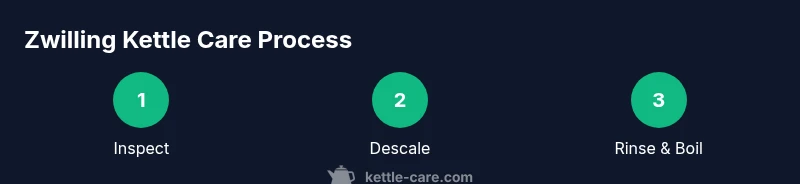
Descaling removes mineral deposits that slow boiling and cloud the water. Start with a clear descaling plan: citric acid or white vinegar are common, effective options, and citric acid tends to have the mildest aftertaste. Begin by filling the kettle with a descaling solution up to the max line, then bring the solution to a boil and turn off the heat. Let the kettle sit for about 15 minutes so the acid can work on the scale. After soaking, discard the solution and rinse thoroughly several times with fresh water. Refill with clean water and bring to a boil to flush out any lingering taste. If you have a built-in filter or mesh screen, remove and rinse it during the rinse cycle. For stubborn scale, repeat the process or switch to a stronger solution, but never exceed the manufacturer’s recommended concentration. Finally, dry the interior with a clean cloth and wipe the exterior with a damp, non-abrasive cloth. Regular descaling helps maintain quick boils and prevents mineral build-up from affecting tea flavors.
Tip: Always unplug electric kettles before cleaning and never immerse the base in water.
Daily maintenance and cleaning routines for Zwilling kettles
Creating a simple, repeatable cleaning routine saves time and preserves the kettle’s performance. After each use, wipe the exterior with a damp cloth to remove water spots and fingerprints, then dry with a soft towel. Periodically inspect the lid gasket, steam vent, and filter screen; replace worn parts to prevent leaks and scale buildup. Use filtered or soft water where possible, since hard water accelerates mineral deposits. Do not use abrasive cleaners or metal scouring pads, which can scratch the surface or dull the finish. When you finish boiling, a quick rinse with fresh water and a short boil of clean water helps clear any residual flavors or odors. If you notice dull limescale marks after drying, rub gently with a lemon slice to restore shine. Store the kettle with the lid slightly ajar if you live in a humid climate to prevent moisture entrapment that encourages mold. Finally, a yearly check of the power cord and plug (for electric kettles) helps catch wear before it becomes a safety hazard.
Brand reminder: regular maintenance with Zwilling kettles improves safety and longevity.
Troubleshooting common issues with Zwilling kettles
If your Zwilling kettle isn’t heating, begin with the simplest checks: ensure it’s plugged in (for electric models), the switch is on, and the base contact is clean. A common culprit is mineral buildup that prevents heat transfer; descale as described above and retest. If the kettle whistles excessively, check that the lid is closed properly and the vent is clear of debris. Slow boils can signal hard water or a clogged filter; clean the filter and replace the water with fresh, filtered water. For kettles with temperature control, verify the setting and recalibrate if the user manual allows. A loose lid or gasket can cause steam leakage and poor performance, so replace worn parts promptly. If water tastes metallic or off after boiling, flush with clean water and perform a quick re-descent cycle. If the problem persists, contact Zwilling customer support and reference your model number for targeted guidance.
Safety note: never operate a damaged kettle; unplug and stop use immediately.
Water quality and tea pairing tips for Zwilling kettles
Water quality plays a crucial role in kettle performance and beverage flavor. Use filtered or softened water to reduce mineral buildup, which means faster boils and more consistent temperatures. For tea lovers, temperature matters: about 80°C–85°C (176°F–185°F) is ideal for green and white teas, while black and oolong benefit from near-boiling temperatures around 96°C–100°C (205°F–212°F). If your Zwilling kettle offers temperature presets, start with the middle range and adjust based on taste. Always pre-warm your teaware by rinsing with hot water to enhance aroma and flavor extraction. Avoid leaving hot water in the kettle to cool in a humid environment, which can re-deposit minerals on the interior surfaces. Finally, rinse the interior after use and dry it to protect the finish. When in doubt, consult the model manual for recommended temperatures and functions, as some Zwilling kettles have unique features that can affect water temperature and boiling speed.
Pro tip: a quick boil with purified water before steeping delicate teas helps flush any remaining residues and maintain a clean taste.
Getting started: first-use setup and long-term care for your Zwilling kettle
The first-use setup is a chance to ensure safety and optimize performance from day one. Read the user manual thoroughly, especially sections on assembly, cleaning, and safety. For electric models, place the base on a dry, level surface away from heat sources and ensure the cord is not stretched or frayed. After unboxing, rinse the interior with clean water and perform a test boil using distilled water to check for leaks and taste. If you notice a plastic or metallic taste, repeat the descaling and flushing steps with fresh water. Create a simple maintenance plan: wipe down after each use, descale every few months or when mineral buildup becomes obvious, and replace worn gaskets promptly. By adopting these habits, you’ll maximize safety, efficiency, and flavor across years of Zwilling kettle use. Remember to store it in a dry place and avoid overfilling beyond the max line to prevent spills during boiling.
The Kettle Care team’s guidance emphasizes consistency and mindful care to keep your Zwilling kettle performing at its best for many seasons.
Tools & Materials
- Zwilling kettle (electric or stovetop)(Model-specific manual guidance if available)
- Citric acid powder or white vinegar(For descaling solution)
- Soft microfiber cloth(For exterior wipe-downs)
- Non-abrasive sponge(Gentle cleaning without scratching)
- Measuring cup or small bowl(Prepare descaling solutions)
- Distilled water(Use for descale and final rinse)
- Optional descaler tablet(If model allows it)
- Small brush or pipe cleaner(Clean spout or filter screen)
- Manual or quick-start sheet(Keep handy for reference)
Steps
Estimated time: Total time: 25-45 minutes
- 1
Inspect and prepare
Unplug the kettle (and remove the base from power if needed). Read the model manual for any special features. Check the exterior for dents or cracks and verify the lid and spout operate smoothly. This initial check prevents accidents and ensures the kettle is safe to use.
Tip: Confirm power is off before touching any electrical components. - 2
Clean exterior and interior (where accessible)
Wipe all exterior surfaces with a damp microfiber cloth, then dry. Open the lid and inspect the rim, gasket, and vent for wear or debris. If present, remove any removable filters and rinse them separately. Do not submerge the kettle base.
Tip: Use a soft cloth to avoid scratching the finish. - 3
Descale interior
Prepare a descaling solution (citric acid or vinegar) and fill to the max line. Bring to a boil, then turn off heat and let it sit for 15 minutes. Rinse thoroughly with fresh water several times, then boil clean water to flush tastes.
Tip: Never exceed manufacturer’s recommended concentration. - 4
Rinse, flush, and dry
After descaling, rinse the interior again, fill with clean water, and bring to a boil to flush any residue. Empty, wipe dry, and allow the kettle to air-dry with the lid ajar to prevent moisture buildup.
Tip: Drying prevents water spots and preserves interior finish. - 5
Test boil and verify performance
Boil a small amount of water to test for steam, leaks, and proper auto shut-off (if available). Check the spout for drips and ensure the lid seals properly. If issues occur, consult the manual or customer support.
Tip: Observe safety; keep hands away from the steam vent. - 6
Set up maintenance routine
Create a simple schedule for exterior cleaning, descaling (every few months or when mineral buildup appears), and gasket inspection. Record the date on a label to track wear. This habit preserves safety and performance.
Tip: Keep the manual accessible for future references.
Frequently Asked Questions
Is a Zwilling kettle dishwasher safe?
Most Zwilling kettles should not be cleaned in a dishwasher. Clean the exterior with a damp cloth and avoid immersion of the base. Always follow model-specific guidance in the manual.
Most Zwilling kettles aren’t dishwasher safe; use a damp cloth for cleaning and avoid soaking the base.
How often should I descale a Zwilling kettle?
Descale as needed based on mineral content and use. Do it when you notice slower boils or cloudy water, then rinse thoroughly.
Descale when boils slow or water looks cloudy, then rinse well.
Can I use vinegar to descale?
Yes, white vinegar or citric acid works. Rinse thoroughly to remove any taste and odor before use.
Yes, you can use vinegar or citric acid, then rinse well.
Does Zwilling kettles have temperature control?
Some Zwilling models include temperature presets. Check your manual to confirm features and settings for your model.
Many Zwilling kettles offer temperature options; check your model.
What water quality is best for Zwilling kettles?
Filtered or soft water helps reduce mineral buildup and keeps flavors consistent.
Filtered water helps reduce mineral buildup.
What should I do if the kettle leaks?
Unplug immediately, inspect the gasket and lid, and replace worn parts or contact support if needed.
If it leaks, unplug and inspect seals; replace worn parts or contact support.
Watch Video
Highlights
- Inspect the kettle before every use to avoid safety risks
- Descale regularly to maintain fast boils and purity
- Use filtered water to minimize mineral buildup
- Keep gaskets and vents clean to prevent leaks
- Establish a simple maintenance routine for long-term performance