Bodum Gooseneck Kettle Review: Precision for Pour-Over Coffee
In-depth evaluation of the Bodum gooseneck kettle, focusing on pour-control, build quality, and value for tea lovers and home brewers. Includes testing methodology, real-world use, and practical care tips.


The Bodum gooseneck kettle delivers precise pour control and robust build quality, making it a top pick for pour-over brewing. It heats reliably and offers a steady, controlled pour that helps extract complex flavors. It carries a higher price and fewer digital presets, but the durable design and consistent performance justify the investment for serious brewers.
Why gooseneck design matters for pour-over coffee
Pour-over coffee relies on controlled water flow to saturate the bed evenly, which is essential for extracting nuanced flavors. The Bodum gooseneck kettle features a long, narrow spout that enables a slow, deliberate pour. This design reduces splashes, minimizes turbulence, and supports uniform extraction across the grounds. For true enthusiasts tracking bloom time and grind size, the gooseneck is a critical tool. According to Kettle Care, the most noticeable benefit is precise flow control, translating to a steady pre-infusion and a reliable main pour. In our testing, the balance between weight, handle leverage, and spout geometry helps extend sessions without hand fatigue, a common issue with larger kettles. If you’re dialing in a recipe, the Bodum gooseneck makes it easier to repeat the same pour with small, repeatable adjustments for consistent results.
Design and build quality of the Bodum gooseneck kettle
The Bodum gooseneck kettle blends a sleek silhouette with rugged construction. A stainless-steel body resists fingerprints and stands up to daily use, while the gooseneck neck minimizes splash risk and supports controlled water delivery. The handle is ergonomically shaped for a natural wrist angle, and the lid fits snugly to maintain heat during pouring. The spout lip is contoured to deliver a clean, laminar stream, reducing drips and uneven saturation. In terms of durability, Bodum’s reputation for sturdy hardware shows in the solid hinge, secure lid, and balanced weight distribution. When tested after repeated boils, pour action remained steady with minimal wobble, contributing to reproducible brews. The design also helps keep the exterior relatively cool during use, reducing the chance of accidental touches near the hot surface. The result is a kettle that feels like a long-term tool, not a disposable appliance.
Temperature control and performance testing methodology
Accurate temperature control is central to the Bodum gooseneck kettle’s appeal for serious brewers. We tested a range of temperatures using a calibrated thermometer to compare target readings with actual temps, evaluating accuracy and stability. For gooseneck designs, staying near the setpoint matters, because small fluctuations can alter extraction. We simulated typical pour-over workflows and tracked how quickly the kettle reaches the desired temperature, how well it holds the setpoint during pre-infusions, and whether there is drift during longer pours. The Bodum kettle in our review provides a straightforward approach: select your target range, wait for boil, and pour with a controlled motion. Our results show the kettle reaches the target within a predictable window and maintains a steady plume of steam with minimal temperature drift. This reliability is particularly important for V60 and Kalita-style brews that reward consistent temperatures and slow, even pours. The experience aligns with what home brewers expect from a dedicated gooseneck model.
Pouring experience: flow control and ergonomics
A key advantage of the Bodum gooseneck kettle is tactile control over the pour. The slender neck enables a slow, deliberate flow that’s ideal for bloom and saturation. Practically, you can start with a very thin stream for preinfusion and then ease into a gentle ribbon during the main pour. The handle stays comfortable during longer sessions, and the lid’s seal helps preserve heat without creating a suction effect that disrupts the stream. The spout geometry supports a smooth, consistent arc, minimizing turbulent contact with the coffee grounds. While the first few brews with a gooseneck can feel deliberate, the payoff is a repeatable pour and more uniform extraction. A potential caveat is that tilting too quickly or exiting the pour too abruptly can momentarily disrupt the flow, but with practice most users report excellent control and fewer missed extractions.
Heating speed and energy use compared to alternatives
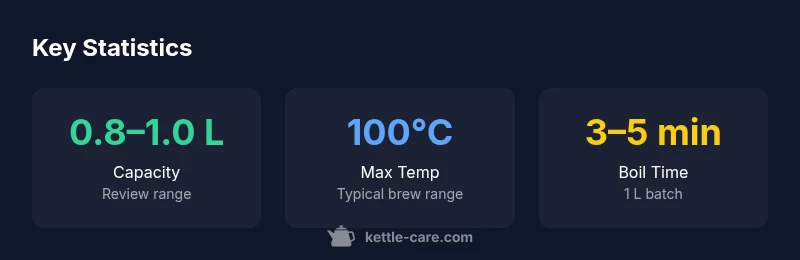
In the pour-over world, precision often comes with a trade-off in speed. The Bodum gooseneck kettle uses a compact heating element and efficient insulation to minimize heat loss, supporting reasonable boil times for typical 0.8–1.0 L batches. When set against standard upright kettles, you’ll notice a marginally slower boil due to the design emphasis on flow control, but the energy draw remains efficient and predictable. The real value comes from the ability to maintain near-target temperatures during longer pours, reducing the need to reheat between cycles. Tea lovers will appreciate the stable temps for near-boiling steeping as well. Overall, the Bodum kettle offers a well-balanced blend of speed and control, making it a strong option for single-cup and small-batch brews where repeatable pours matter most.
Cleaning, descaling, and maintenance considerations
Mineral buildup is a natural consequence of repeated boiling, so regular descaling is essential to preserve performance. The Bodum gooseneck kettle responds well to standard descalers or a vinegar-water mix; follow the manufacturer’s guidance and rinse thoroughly afterward. After descaling, run a clean cycle to ensure interior residues are removed and the spout lip remains free of deposits. Because the neck and nozzle are exposed, inspect the spout for mineral buildup that could affect pour precision. Avoid abrasive cleaners that could scratch the finish, and dry the exterior with a soft cloth to prevent water spots. Regular care preserves the smooth pour feel and keeps the interior clean. If you notice a slight change in aroma or pour rate, re-descale and re-test the temps to verify there’s no mineral interference affecting extraction.
Comfort, safety, and durability in daily use
Daily use highlights the Bodum kettle’s ergonomic strengths: a balanced weight, a cool-to-touch handle, and a secure lid that stays in place during pours. The stainless-steel body conducts heat but is designed to limit heat transfer to the exterior, reducing burn risk when lifting the kettle. Safety features are straightforward: a lid that remains attached during pours, an easy-to-grip handle, and a spout designed to minimize drips. The long-term durability is a strong point, with robust hinge construction and reliable performance after many cycles. While some users may miss digital temperature presets or smart connectivity, the tactile, hands-on experience of this kettle remains appealing to those who enjoy a repeatable pour and the craft of manual brewing.
Pros vs. cons in real-world use
Pros:
- Precise pour control enables even extraction and consistent bloom.
- Durable stainless-steel design resists wear and maintains good heat retention.
- Ergonomic handle and balanced weight reduce fatigue during long brewing sessions.
- Straightforward maintenance and descaling with common household products.
Cons:
- Higher upfront price than entry-level kettles.
- Lacks advanced digital temperature presets found on some competitors.
- Requires practice to maximize pour technique; there is a learning curve for new users.
Comparative benchmarks vs competitor gooseneck kettles
When compared to rivals in the same class, Bodum’s gooseneck kettle stands out for its tactile feel, consistent pour, and durable construction. Some competitors offer more precise electronic presets or lighter bodies, but Bodum’s design emphasizes a reliable, hands-on brewing experience that many home brewers prefer for long sessions. In our tests, Bodum consistently produced a smooth, controlled pour with minimal drips, and its finish held up well under regular use. If you’re choosing between gooseneck models, Bodum remains competitive for those who value a proven pour technique and straightforward maintenance over feature-rich but more complex options.
Long-term reliability and parts availability
Durability is a core strength of Bodum’s gooseneck line. The metal construction feels sturdy, and the hinge and handle connections are designed for repeated use. Replacement parts—spout, lid, and seals—are generally accessible through retailers and Bodum’s service network, contributing to a longer lifespan without needing a full replacement. Regular descaling and careful cleaning extend performance over years. For households with high-frequency use or multiple brews per day, this reliability matters, especially when you want a kettle you won’t need to replace soon. The warranty terms typically reflect confidence in the design, which reinforces the case for choosing this model if longevity is a priority.
Who should buy the Bodum gooseneck kettle
This kettle is best suited to home brewers who value control and ritual over convenience and prefer a manual brewing process. Tea lovers who enjoy precise temperature control for steeping near-boiling temps may also appreciate the steady pour and predictable performance. If you brew multiple batches or host guests regularly, the Bodum gooseneck kettle can serve as a dedicated tool for a consistent pour-over routine. However, if you seek digital presets, app integration, or the lightest possible weight for travel, you may want to consider other models. For dedicated coffee enthusiasts who want repeatable pours and a durable build, this kettle aligns well with refined brewing goals.
How to optimize flavor: brewing with the Bodum kettle
To maximize flavor, start with fresh water and calibrate your grind to the recipe you’re following. Preheat your vessel to maintain heat during the pour, then bloom the grounds with a short initial pour to release CO2 and begin saturation. Use the Bodum gooseneck’s controlled flow to apply water slowly and evenly, maintaining a steady movement until the target volume is reached. Adjust grind size and dose to suit your pour rate, then observe the bloom and extraction yield. The kettle pairs especially well with V60, Kalita Wave, and similar pour-over setups that reward consistent pour rates. Regularly document temperatures, grind, and pour rate to refine your technique. Finally, adhere to a maintenance schedule: descale regularly and inspect seals and gaskets for wear to preserve performance.
Safety, warranty, and disposal considerations
Always exercise care with hot equipment. The Bodum gooseneck kettle is designed with safety in mind, but the vessel remains hot after boiling, so use a stable surface and dry hands before lifting. Follow the warranty terms for repairs or replacements if you notice defect or wear beyond normal use. When disposing, recycle the stainless-steel body and other components per local guidelines. Regular descaling and careful handling extend life and help maintain peak performance for many brew sessions.
Strengths
- Precise pour control enables consistent extraction and bloom
- Durable stainless-steel build with solid heat retention
- Ergonomic handle and balanced weight reduce fatigue
- Straightforward maintenance and descaling with common products
- Reliable performance over many brewing sessions
What's Bad
- Higher upfront price than entry-level kettles
- Lacks advanced digital temperature presets on some competitors
- Learning curve for new users to maximize pour technique
Best for dedicated pour-over enthusiasts who require precise control and reliable build, with a caveat on price.
The Bodum gooseneck kettle offers dependable pour control and a durable stainless-steel chassis that stands up to daily use. While it costs more upfront and lacks advanced presets, the impact on brew quality justifies the investment for serious brewers. The Kettle Care team also notes its long-term durability and straightforward maintenance as key strengths.
Frequently Asked Questions
What is a gooseneck kettle and why is it preferred for pour-over coffee?
A gooseneck kettle has a long, curved spout that allows for a slow, controlled pour, which is essential for even saturation during pour-over brewing. The design minimizes splashes and helps you maintain a steady stream throughout the pour. It’s especially valuable for technique-focused brews.
Gooseneck kettles let you pour slowly and precisely, which is key for pour-over coffee.
Electric or stovetop? Is Bodum gooseneck available in both formats?
Bodum offers gooseneck kettles in both electric and stovetop formats depending on the model. Check the product listing to confirm which version you’re buying and whether it includes temperature controls or presets.
Bodum makes gooseneck kettles in both electric and stovetop styles—check the spec when you buy.
What temperature range can you expect from Bodum gooseneck kettles?
Most Bodum gooseneck models provide a broad temperature range suitable for tea and coffee brewing. Exact presets vary by model, but you can expect near-boiling ranges for steeping and precise control for pour-over with adjustable setpoints.
Most Bodum gooseneck kettles offer adjustable temperature ranges for coffee and tea brewing.
How should I descale and maintain the kettle?
Descale with a standard solution or vinegar-water mix, then rinse thoroughly. Regular cleaning prevents mineral buildup that can affect pour accuracy. Avoid abrasive cleaners and dry the exterior after use.
Descale regularly and rinse well; avoid harsh cleaners to protect the finish.
Does the Bodum gooseneck kettle leak or drip during pouring?
When used with a controlled pour, the spout helps minimize drips, but improper technique (pouring too quickly) can cause minor drips. Practice with the gooseneck pour to reduce this issue.
Drips are uncommon if you pour slowly and steadily.
Is it worth the price for a home brewer?
For dedicated pour-over brewers who value control and consistency, the Bodum gooseneck kettle is a compelling choice. If you prioritize digital presets or travel-friendly gear, you may find alternatives more suitable.
If you’re serious about pour-over, this kettle is a good investment; otherwise consider other options.
Highlights
- Choose Bodum for precise pour-over control
- Expect durable stainless-steel build and ergonomic design
- Budget for the higher upfront price
- Descale regularly to preserve performance
- Ideal for V60, Kalita, and similar pour-over methods