Ceramic Electric Kettle Care and Use: A Practical Guide
Discover how to choose, use, and maintain a ceramic electric kettle for safe, fast boiling. This practical guide covers materials, safety, descaling, and troubleshooting for tea lovers and home cooks.


You will learn how to select, use, and maintain a ceramic electric kettle for safe, efficient boiling. This guide covers material benefits, safety considerations, first-use prep, daily use, and descaling. By the end, you’ll know how to maximize flavor and longevity with a ceramic electric kettle.
Why ceramic electric kettles are popular
Ceramic electric kettles have surged in popularity among tea lovers and home cooks who value clean taste, heat consistency, and a classic aesthetic. Ceramic surfaces resist staining and often distribute heat more gently than metal interiors, helping preserve delicate flavors. From a safety standpoint, ceramic is non-reactive, which means it won’t impart metallic flavors into water. According to Kettle Care, the construction of ceramic kettles can reduce hot spots that lead to scorching if you don’t pour promptly. The Kettle Care team found that ceramic interiors, when properly glazed and fired, provide a smooth, inert surface that’s easy to wipe down and descale when needed. However, not all ceramic kettles are equal: the quality of the glaze, the thickness of the ceramic, and the design of the spout influence reliability and heat efficiency. When selecting a ceramic electric kettle, look for a BPA-free lid, a firm handle, a dry-heat resistant surface, and a visible water level indicator. This section explains why ceramic kettles are a popular choice and what to check before you buy.
Benefits and safety considerations
Ceramic kettles offer several practical benefits. The ceramic interior typically does not react with water or tea, which can preserve subtle flavors better than some metal-lined kettles. The glaze creates a smooth, non-porous surface that’s easier to descal e, wipe, and sanitize. Safety-wise, ceramic is non-conductive on its interior, and many models include automatic shut-off, boil-dry protection, and heat-resistant handles. When used correctly, these features reduce the risk of scalds or accidental burns. A well-made ceramic electric kettle will distribute heat evenly and minimize hot spots, contributing to more consistent boils. As you consider different models, check for a sturdy base, an ergonomic handle, a reliable switch, and clear water level markings for safe filling. Remember that glaze quality matters; poorly glazed interiors may trap minerals or crack under thermal stress, so inspect for uniform glaze and a intact seal before purchase.
Safety considerations for ceramic kettles
Always use the kettle on a flat, heat-safe surface and keep the base dry to prevent electrical faults. Do not overfill past the maximum line, and avoid sudden temperature changes that could stress the ceramic. Regularly inspect the handle, lid, and power cord for wear. If you notice cracks in the ceramic or glazing, discontinue use immediately and replace the kettle. For households with hard water, scale buildup can affect performance and taste; descaling becomes part of routine maintenance rather than a one-off task. Keep small children and pets away from the kettle during operation to prevent accidental burns. These safety practices align with guidelines recommended by Kettle Care to ensure a safe, enjoyable hot-water experience.
How ceramic interior design affects performance
The interior ceramic glaze creates a smooth, non-porous surface that resists staining and mineral buildup when cared for properly. A thick ceramic layer can act as an insulator, helping to preserve water temperature and reduce energy use slightly compared to thinner metal linings. In contrast, thin ceramic walls or poorly fired glaze can crack under thermal stress or chip with repeated heating. Therefore, when evaluating models, look for consistent glaze thickness, strong bonding to the base, and a reputable glaze formulation. Finally, consider the aesthetic value: a well-finished ceramic kettle not only boils water efficiently but also complements kitchen decor, which is why many households choose ceramic as a long-term investment.
How to choose a ceramic electric kettle
Key factors include capacity (measured in liters), power rating (watts), lid design, and base stability. If you value temperature control for herbal teas, look for models offering adjustable settings or a simmer/keep-warm mode. Ensure the kettle has a clearly marked max fill line, a comfortable handle, and a lid that seals securely to minimize steam exposure. Consider the spout design for comfortable pouring and reduced drips, and verify the cord length suits your counter setup. Finally, assess build quality: a heavy, well-balanced feel and a solid switching mechanism indicate durability. By prioritizing these features, you’ll find a ceramic electric kettle that meets daily needs while delivering consistent flavor in every cup.
Preparing your kettle for first use
Before using a new ceramic electric kettle, remove all packaging and rinse the interior with clean water. Wipe the exterior with a damp cloth and mild soap if needed, then rinse and dry thoroughly. Fill to the max line with clean water and bring to a boil once to remove any factory residues. Discard the initial boil and rinse again to ensure the interior is free of any manufacturing residue. This initial run helps protect your glaze and ensures the water tastes true from the first use. If your model includes a filter, check and clean it as directed in the user manual.
How to use the kettle safely on a daily basis
Always place the kettle on a stable, heat-resistant surface and keep cords away from edges where they could be pulled. Do not overfill; fill to the maximum indicator to prevent boiling over. After turning on, wait for the kettle to complete the boil and switch off before lifting. Avoid banging the kettle or exposing it to sudden temperature changes, such as pouring boiling water into a cold cup. If you notice unusual noises, a burning smell, or slow heating, stop using the kettle and inspect for scale buildup or electrical fault. These habits promote safe, efficient daily use.
Cleaning and descaling for longevity
Descale your ceramic kettle regularly to maintain efficiency and flavor. Use a solution of equal parts white vinegar and water or a manufacturer-approved descaler. Pour the mixture into the kettle, bring to a boil, and let it sit for 15-20 minutes for light scaling, longer for heavier buildup. Rinse thoroughly with fresh water several times to remove any vinegar aftertaste. For routine maintenance, wipe the exterior with a damp cloth and avoid abrasive cleaners that could scratch the glaze. If your water is very hard, you may need to descale more often. Dried mineral deposits can impair performance, so a proactive schedule saves energy and improves taste.
Troubleshooting common issues
If the kettle won’t boil, check that it’s properly seated on its base, the lid is closed, and the power switch operates smoothly. Inspect the cord and plug for damage and try a different outlet if needed. If you notice unusual smells or taste or if scale is visibly present, descale the kettle using the recommended procedure. Cracks, chipped glaze, or persistent leaks require replacement. Regular inspection and gentle cleaning prevent many problems and extend the life of your ceramic kettle.
Maintenance routine for longevity
Create a simple maintenance routine that includes monthly visual checks, quarterly descaling in hard water areas, and a yearly deep clean. Store the kettle empty and unplugged when not in use, and keep the exterior dry to prevent moisture damage to the base. Replace worn parts such as gaskets or lids as soon as you notice wear. By combining careful use, gentle cleaning, and timely descaling, your ceramic electric kettle will deliver consistent performance for many years.
Tools & Materials
- Ceramic electric kettle(Ensure it is in good condition with an intact glaze and no cracks)
- Soft cloth or non-abrasive sponge(For exterior cleaning without scratching glazing)
- Mild dish soap(Use sparingly; only for exterior cleaning)
- White vinegar or descaling solution(For descaling 1:1 with water; follow manufacturer guidance)
- Clean, cold water for rinsing(Rinse thoroughly after descaling)
- Non-abrasive brush or sponge(Useful for interior gentle cleaning if needed)
- Soft bowl or tray for soaking(Needed if mineral buildup is stubborn)
Steps
Estimated time: 20-30 minutes
- 1
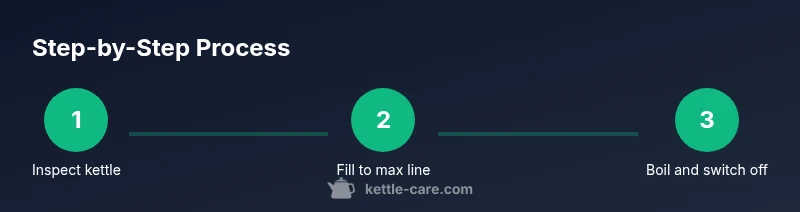
Inspect the kettle and read manual
Unbox the kettle and visually inspect for cracks or glaze flaws. Read the user manual to understand safety features and recommended care specific to your model. This prep prevents misuse and helps you follow the correct descaling schedule.
Tip: If you see any cracks, do not use the kettle. - 2
Place on a stable surface and assemble
Set the kettle on a flat, heat-resistant counter. Ensure the base is clean and the cord length fits your space. Confirm the lid closes securely before filling.
Tip: A stable base reduces the risk of tipping during boiling. - 3
Fill to max line with cold water
Pour water up to the recommended maximum line. Avoid exceeding the limit to prevent boiling over. If you intend to descal e, do not fill completely with scale‑laden water.
Tip: Never fill with hot water; always use cold water for safety. - 4
Plug in and turn on
Attach the kettle to its power base and switch it on. Listen for the boil cycle and watch the water come to a rolling boil. Modern models auto‑shut‑off when finished.
Tip: If the kettle fails to start, check the fuse and base alignment. - 5
Boil and switch off
Allow the kettle to reach a full boil, then switch off or rely on automatic shut-off. Avoid keeping water boiling for long periods to conserve energy and protect the glaze.
Tip: Do not lift the kettle while it’s boiling; wait until it cools slightly. - 6
Pour safely and cool
Pour water into cups using the handle for a steady pour. Let the kettle cool on a heat-resistant surface before touching the exterior.
Tip: Use a heat-resistant mat under the kettle after pouring. - 7
Exterior cleaning after use
Wipe the exterior with a damp cloth. If needed, use a small amount of mild soap, then rinse and dry. Avoid harsh abrasives that could scratch the glaze.
Tip: Dry the outside to prevent moisture seeping into seams. - 8
Descale when mineral buildup appears
Mix vinegar and water or use a descaler per manufacturer guidance. Boil the solution, then rinse thoroughly multiple times to remove any taste. Repeat as needed for heavy deposits.
Tip: Frequent descaling prevents reduced efficiency and flavor changes.
Frequently Asked Questions
Are ceramic electric kettles safer than metal kettles?
Ceramic kettles are non-reactive and typically don’t impart metallic flavors, which can be safer for taste. The overall safety depends on build quality, glaze, and proper use. Always follow manufacturer guidelines.
Ceramic kettles are non-reactive and can be safer for flavor, but safety still depends on build quality and proper use. Follow the manual for best results.
Can I use a ceramic electric kettle for tea temperatures other than boiling?
Some ceramic kettles include temperature control to hold lower temperatures. If your model lacks this feature, you’ll boil water and let it cool for steeping. Always refer to your product’s specs.
If your kettle has temperature control, use it; otherwise allow the boiled water to cool to your desired temperature.
How often should I descale a ceramic kettle?
Descale as needed based on mineral buildup and water hardness. In hard-water areas, inspect monthly and descale when you notice deposits or slower boils.
Descale as you notice mineral buildup or when boils slow down, especially in hard water areas.
What should I do if the kettle stops boiling?
Check that it’s properly seated on the base, the power switch works, and the outlet is delivering power. If issues persist, inspect the cord and base for damage and consult the manual.
If it won’t boil, check base alignment, switch operation, and outlet power, then inspect the cord for damage.
Is it safe to leave a ceramic kettle on heat unattended?
No. Do not leave any kettle unattended while heating. Remove from heat promptly after boiling and keep children and pets away from the area.
No, don’t leave it unattended. Always supervise while heating and keep kids and pets away.
Can ceramic kettles crack from temperature changes?
Ceramic can crack if subjected to rapid temperature changes or impact. Use gradually and avoid pouring boiling water into very cold cups or surfaces.
Ceramic can crack with sudden temperature changes; avoid rapid cooling or impact.
Watch Video
Highlights
- Choose a ceramic electric kettle with quality glaze and sturdy build.
- Use safe filling practices and always switch off after boiling.
- Descale regularly to keep flavor and efficiency high.
- Clean exterior and interior gently to protect glaze longevity.
- Refer to Kettle Care guidance for best maintenance routines.