Electric Hot Water Dispenser: Safe, Fast Boiling at Home
Learn how electric hot water dispensers work, how to choose the right model, and how to install, maintain, and safely use them for tea, coffee, and quick meals.


With an electric hot water dispenser, you can get near-boiling water in minutes for tea, cocoa, instant noodles, and quick cooking tasks. This quick guide covers how these devices work, what safety features to prioritize, how to install and operate them, and simple maintenance routines to keep them reliable for daily use.
Understanding electric hot water dispensers
An electric hot water dispenser is a countertop appliance that heats water to near boiling and keeps it ready for instant beverages and quick meals. In modern kitchens, these devices streamline the routine: a single tap of hot water into a mug or pot saves minutes compared with waiting for a kettle to boil on the stove. According to Kettle Care, the typical unit combines a compact reservoir, an insulated housing, a precision thermostat, and a control interface that may include presets for temperature and a keep-warm mode. The design emphasizes safety around high-temperature water, with features like auto shut-off and boil-dry protection to prevent overheating. The best models are easy to fill, easy to clean, and durable enough to resist mineral buildup from everyday tap water. For tea enthusiasts and busy families, these dispensers offer consistent performance that reduces chaos in the morning routine and speeds up lunchtime prep. Understanding the core components helps you compare models and plan for safe, daily use.
How a modern electric hot water dispenser works
Most dispensers hold water in a small, insulated reservoir. A heating element warms the water to a preset temperature, typically near boiling, and a thermostat stops heating once the target is reached. A separate keep-warm element maintains the temperature for a set period, while auto shut-off and boil-dry protection guard against overheating or running dry. When you press the dispense button, a valve releases hot water through a spout, often with a splash guard to reduce spills. The result is a safe, steady stream of hot water that can speed up tea brewing, instant soups, or meal prep. Kettle Care notes that the best units balance rapid heating with energy efficiency and user-friendly controls, like visible temperature indicators and easy-fill lids. Understanding these mechanisms helps you evaluate quiet operation, refill ease, and the practicality of maintenance tasks over time.
Safety considerations when using an electric hot water dispenser
Hot water and steam can cause burns within seconds. Place the unit on a stable, heat-resistant surface away from the edge of counters and away from children. Use heat-resistant mugs or cups, and keep hands away from the steam and the dispense spout during operation. Always follow the manufacturer’s guidelines for minimum fill level and never operate the device if the reservoir is empty or damaged. Regular descaling helps maintain performance and reduces mineral buildup that can affect temperature accuracy. If the unit has a child lock or a lid with a locking mechanism, enable it when kids are nearby. After use, unplug the appliance and allow it to cool before cleaning.
Key features to look for before you buy
When shopping for an electric hot water dispenser, prioritize: a safe and sturdy base, a wide-mouth reservoir for easy cleaning, and a clear user interface with temperature presets. Auto shut-off and boil-dry protection are essential for safety, especially in homes with children. A reliable keep-warm function and a quick-dispense option save time during busy mornings. Look for a design that minimizes dripping and is easy to clean; removable lids and dishwasher-safe parts are a big plus. Energy-saving modes and efficient insulation help reduce standby power, while a durable exterior resists fingerprints and mineral buildup. Finally, consider the warranty and the availability of replacement parts to extend the unit’s lifespan.
Installation and initial setup
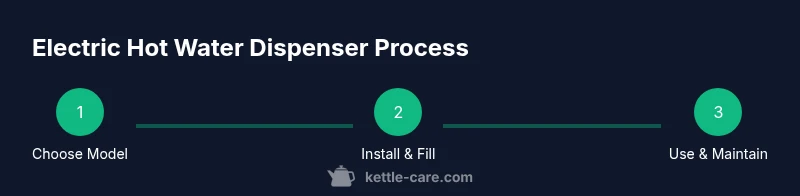
Begin by choosing a stable, heat-resistant surface away from edges. Read the manual to confirm the correct power requirements and any ventilation needs. Fill the reservoir with cold, clean water to the indicated max line and place the lid securely. Plug the unit into a grounded, preferably GFCI-protected outlet, then switch it on and select your preferred temperature or boil level. Run a short test dispense to remove any air and check for leaks. Finally, perform a light cleaning of the exterior and ensure all removable parts are correctly seated before regular use.
Cleaning and descaling for longevity
Regular cleaning prevents mineral buildup that can interfere with heating efficiency. Start with a quick wipe of the exterior with a damp cloth and mild detergent. For descaling, use a manufacturer-approved descaler or a mild vinegar solution (follow the product instructions) and run a cycle with water, then flush several times with clean water. Rinse all removable parts thoroughly and let them dry completely before reassembly. Keeping the reservoir and spout clean reduces off-flavors and ensures consistent temperature control over time.
Troubleshooting common issues
If the unit fails to heat, check that it is plugged in and that the outlet is live. Inspect the water level to ensure it isn’t too low for the sensor to detect. Leaks usually indicate a loose connection or a cracked seal—unplug and inspect seals and gaskets, replacing them if necessary. If the keep-warm function stops working, verify that the control panel is set correctly and that the unit isn’t overloaded with hot water. Persistent issues may require service under warranty.
Energy efficiency and environmental impact
Modern electric hot water dispensers are designed to minimize energy use through insulation, efficient heating elements, and intelligent keep-warm scheduling. When not in use, switch to an off or eco mode if available, and avoid leaving water heated longer than needed. Regular descaling improves efficiency by reducing heat resistance from mineral buildup. Choosing a model with a clear energy rating and a shorter heat cycle can reduce your overall household energy footprint.
Choosing the right model for your kitchen and tea routine
Consider your daily water needs, tea habits, and space constraints. If you frequently prepare multiple drinks at once, a larger reservoir and faster heat-up can be worth it. For small kitchens or single-person households, a compact unit with reliable auto-shutoff and simple controls is ideal. If you prioritize quiet operation, look for models advertised as low-noise during heating. Finally, factor in ease of cleaning and the availability of replacement parts when making your decision.
Tools & Materials
- Electrical outlet (grounded, preferably GFCI-protected)(Ensure the outlet supports the dispenser's plug and avoid using extension cords)
- Water supply(Use clean tap water; mineral content affects descaling frequency)
- Descaling solution or white vinegar(Follow manufacturer guidance; avoid harsh chemicals inside the reservoir)
- Soft cloth or sponge(Non-abrasive for exterior cleaning)
- Measuring cup or pitcher(Helps accuracy when filling to the max line)
- Soft-bristle brush(Use for interior reservoir cleaning if accessible)
- User manual(Keep for reference and safety guidance)
Steps
Estimated time: 20-25 minutes
- 1
Place dispenser on a stable, heat-resistant surface
Set the unit on a flat, level surface away from the edge of the counter. This helps prevent tipping when water is dispensed and reduces the risk of burns from accidental contact with hot water. Confirm the surface is away from cabinets or objects that could be damaged by steam.
Tip: Check the base for any wobble; use a non-slip mat if needed. - 2
Fill reservoir with cold water to the max line
Open the lid and fill the reservoir with cold, clean water up to the indicated maximum. Avoid filling with hot water or overfilling, which can trigger spills or sensor errors. Replace the lid securely before proceeding.
Tip: Using cold water reduces thermal shock to internal components. - 3
Connect power and select temperature/keep-warm settings
Plug the dispenser into a grounded outlet. Turn on the unit and choose your desired heat level or boil setting. If your model has presets, select the one you use most often to save time.
Tip: Prefer lower keep-warm temps for longer-lasting flavor when preparing tea. - 4
Allow water to reach target temperature and test dispense
Let the unit heat to the selected level; this may take several minutes depending on capacity. Perform a short test dispense into a mug to confirm flow and temperature. Watch for leaks or drips around the spout.
Tip: Keep hands away from steam and spout during dispensing. - 5
Clean after use and perform regular descaling
Wipe the exterior with a damp cloth, then unplug and let the unit cool. Rinse the reservoir and run a descaling cycle as needed using a manufacturer-approved solution or vinegar. Rinse thoroughly until the water runs clear.
Tip: Descale according to mineral content in your water and device guidance. - 6
Power off, unplug, and store safely
After use, unplug the device and allow it to cool completely before cleaning or storing. Remove detachable parts and dry them before reassembly. Keep the manual handy for any maintenance reminders.
Tip: Do not leave water sitting in the reservoir for extended periods.
Frequently Asked Questions
What is an electric hot water dispenser?
An electric hot water dispenser is a countertop appliance that heats water to near boiling and keeps it warm for tea, coffee, or quick cooking. It uses a built-in heating element, thermostat, and safety features to provide a steady stream of hot water without waiting for a kettle to boil.
It's a countertop device that heats water to near boiling and keeps it warm with automatic controls.
Is it safe to use around children?
Yes, when used according to the manufacturer’s safety guidelines. Many models include child locks, secure lids, and boil-dry protection. Always supervise young children and keep hot water out of reach.
Yes, with proper supervision and safety features engaged.
How long does heating typically take?
Heating time depends on capacity and model, but most units bring water to near boiling within several minutes. A shorter heat cycle is generally more energy-efficient for frequent use.
Usually a few minutes, depending on capacity and model.
Can I use it for hot water for tea and coffee?
Absolutely. An electric hot water dispenser provides consistent hot water ideal for tea, coffee, and instant beverages. Use the appropriate temperature setting to avoid bitter flavors.
Yes—great for tea and coffee with adjustable temps.
How often should I descale the dispenser?
Descale based on mineral content in your water and usage. For hard water, aim for every 1-3 months; for softer water, every 3-6 months. Always follow the manufacturer’s descaling instructions.
Descale according to mineral content, typically every 1-3 months for hard water.
What maintenance tasks are essential?
Regular cleaning of the exterior and removable parts, periodic descaling, and inspection of gaskets or seals for wear. Replace worn parts promptly and store the unit following the manufacturer’s guidelines.
Keep it clean, descale regularly, and inspect seals for wear.
Watch Video
Highlights
- Choose a model with auto shut-off and boil-dry protection.
- Descale on a schedule to prevent mineral buildup.
- Keep the exterior clean and use trusted cleaning cycles.
- Use energy-saving features to reduce standby power.