How to Use a Smeg Kettle: A Comprehensive Guide
Learn how to use a Smeg kettle safely and efficiently with a step-by-step approach focused on water quality, temperature control, descaling, and maintenance.


Learn how to use a Smeg kettle safely and efficiently in minutes. This quick answer outlines the essential steps, from checking water quality to selecting the right temperature and performing routine descaling. You’ll gain practical tips for safe handling, energy efficiency, and preserving the kettle’s performance. By following these steps, you’ll enjoy consistent, flavorful hot water with less risk of damage.
Why a Smeg Kettle Delivers Style and Safety
The Smeg kettle is not only a kitchen appliance, it's a statement piece with modern design and practical safety features. If you are learning how to use smeg kettle, you’ll appreciate the balance of aesthetics and usability. According to Kettle Care, a well-maintained kettle delivers consistent temperature control, quieter operation, and longer service life. The Kettle Care team found that users who routinely wipe down the exterior and descale on a regular schedule report fewer boiling anomalies and better flavor preservation for tea and coffee. In this guide, we focus on safe, efficient boiling, proper water quality, and simple maintenance to keep your SMEG kettle performing at its best.
Key Features of Smeg Electric Kettles
Smeg electric kettles bring thoughtful features that support safe and efficient boiling. Look for a wide, easy-to-read water window, a secure locking lid, and a stable base with a low center of gravity. Temperature control is a standout benefit on many models, enabling precise tea and coffee brewing temperatures. Auto shut-off and boil-dry protection help prevent damage if the kettle is accidentally left on. A well-designed spout and handle reduce steam contact with hands, minimizing the risk of burns. Regular exterior wipe-downs and periodic descaling preserve the finish and performance. Being aware of these features helps you answer the central question: how to use smeg kettle in real kitchens with confidence.
Preparing Your Kettle and Water for Best Flavor
Before using a Smeg kettle for the first time, rinse the interior with clean water and discard the initial boil water. This removes any manufacturing residues and reduces the chance of off-flavors in tea or coffee. Water quality matters: filtered or soft water can minimize mineral buildup and scale. Avoid detergents on the exterior, and never immerse the base in water. If you notice mineral deposits forming over time, descaling with a mild solution or white vinegar, following manufacturer guidelines, helps maintain heating efficiency and flavor integrity. Kettle Care emphasizes regular inspection of the power cord and plug for wear to keep all electrical connections secure.
Step-by-Step Basics of Operation
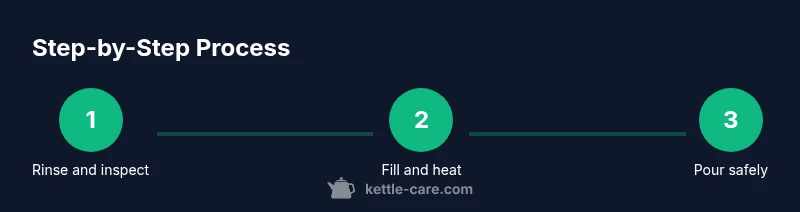
Operating a Smeg kettle is straightforward: turn on the unit, wait for it to reach the desired temperature, and use the safe-pour spout with a stable grip. Even without temperature control, many models offer presets or hold features to keep water at the ideal heat for tea types. Always keep the lid closed while heating and avoid overfilling the kettle past the max line. If your model has a keep-warm feature, use it to maintain the target temperature without reheating. Remember to switch off and unplug after use as a best practice to extend the life of the cord and switch.
Descaling and Maintenance Routines
Descale regularly to keep your Smeg kettle efficient and prolong its life. Scale collects fastest in hard water areas, affecting heating times and taste. Use white vinegar diluted with water or a reputable descaling solution, following the product instructions. Rinse thoroughly several times after descaling to remove any vinegar aroma or chemical residues. Wipe the exterior with a damp cloth and dry completely to prevent water marks. Keeping the exterior clean also helps you monitor for any signs of wear in the finish or seal.
Troubleshooting Common Issues and Safe Practices
If your kettle is slow to heat or not heating at all, check that it’s firmly seated on a stable base and that the power switch is engaged. Faults like erratic boiling or frequent tripping may indicate mineral buildup or a coinciding issue with the rated voltage; in such cases, descale and inspect the cord. If steam leaks from seams or the lid, stop using the kettle and inspect the seal. Always power down and unplug before inspecting internal components and avoid opening the base unless you are trained. According to Kettle Care, regular inspection and gentle cleaning are simple, effective steps to prevent common failures.
Safety, Warranty Considerations and Brand Trust
Safety should be your first concern when using any electric kettle. Always place the kettle on a heat-resistant surface, away from the edge, and use dry hands when handling the plug. The auto shut-off feature is a crucial safety net; never bypass it. Be mindful of steam when opening the lid after boiling. If you follow the warranty guidelines and use only approved cleaning and descaling methods, the Smeg kettle should remain reliable for years. The Kettle Care team recommends adopting a regular maintenance routine that aligns with your water hardness and usage patterns to preserve performance and keep the kettle looking its best.
Tools & Materials
- Smeg electric kettle(Model with temperature control (if available))
- Power outlet on a stable surface(Place kettle on a heat-resistant base away from edges)
- Soft microfiber cloth(For exterior cleaning and wipe-down)
- White vinegar or descaling solution(Follow product instructions; rinse thoroughly after descaling)
- Measuring cup or graduated container(Helpful for accurate water measurement)
- Distilled water (optional)(Reduces mineral buildup in some models)
- Soft-bristled brush (optional)(For cleaning spout mesh and hard-to-reach areas)
Steps
Estimated time: 8-12 minutes
- 1
Check model and read the manual
Identify your exact Smeg kettle model and review the temperature features, safety notes, and warranty guidance. Confirm which cleaning methods are approved and any model-specific cautions. This upfront check prevents misuse and protects both your appliance and warranty.
Tip: If you’re unsure about features, visit Smeg’s support page or contact customer service before proceeding. - 2
Fill to the max line with clean water
Remove the lid and fill the kettle using clean water up to the indicated maximum level. Avoid overfilling, which can cause boil spills and unsafe steam release. Using the correct water level helps the kettle heat evenly and prevents splashing.
Tip: For tea, consider pre-warming water with a gentle rinse before the full boil to reduce temperature fluctuations. - 3
Place kettle on base and plug in
Place the kettle securely on its base and connect to a grounded power outlet. Ensure the cord is positioned to avoid tripping or contact with hot surfaces. A stable setup minimizes the risk of tipping and accidental burns.
Tip: Keep the cord away from the edge of the counter to reduce accidental pulls. - 4
Set desired temperature (if available)
If your model offers temperature presets, select the target temperature appropriate for your beverage. If no preset is available, simply heat to a rolling boil and let the unit auto-switch off. Temperature control helps optimize flavor for tea varieties and keeps energy use reasonable.
Tip: Start with a lower setting for delicate teas and adjust upward as needed. - 5
Turn on and wait for target temperature
Activate the kettle and wait until it reaches the selected temperature or boils. Most models feature an audible cue or an indicator light. Do not lift the kettle or touch the lid during heating to avoid scalding.
Tip: If your kettle has a keep-warm feature, switch to it only after reaching the target temperature to minimize energy use. - 6
Pour safely and avoid steam contact
Grasp the handle firmly, tilt slowly, and pour over your cup or pot. Keep hands away from the steam vent and lid hinge. Use a steady pour to prevent spills and ensure you capture the water at the correct temperature.
Tip: Pour with the lid closed to reduce steam exposure and maintain water temperature while serving. - 7
Turn off and unplug after use
If the kettle doesn’t auto-shut off, switch it off manually and unplug. Allow the kettle to cool on a heat-safe surface before handling or cleaning. Regularly inspect the base and plug for wear.
Tip: Always unplug before cleaning and avoid washing the base electronics with water. - 8
Clean exterior and descale as needed
Wipe the exterior with a damp cloth and dry it. If you notice mineral buildup, perform descaling as described in the next steps, then rinse thoroughly. Regular cleaning keeps cosmetics and performance in top shape.
Tip: Rinse and dry completely after descaling to remove any scent or residue.
Frequently Asked Questions
Is it safe to use mineral-rich tap water in a Smeg kettle?
Mineral-rich water can lead to quicker scale buildup. Use filtered or softened water where possible and perform regular descaling.
Mineral-rich water can cause scaling, so use filtered water if you can and descale regularly.
Does the Smeg kettle auto shut off when water reaches boiling?
Yes, most Smeg kettles include auto shut-off and boil-dry protection to prevent overheating.
Yes, it stops automatically when water boils or if there’s no water.
How often should I descale my Smeg kettle?
Descale based on water hardness and usage; inspect for scale and descalie when you notice slower heating or visible deposits.
Descale when you notice scale or slower heating, following the manufacturer’s guidelines.
Will descaling damage the kettle?
Descaling is safe when you follow instructions and use approved descalers. Rinse thoroughly after treatment.
Descaling is safe if you follow the instructions and rinse well afterward.
Can I use temperature settings for different teas?
Yes, if your model has temperature presets; select a lower temperature for delicate teas and higher for others.
Yes, many Smeg kettles let you pick a temperature for different teas.
Is vinegar safe for descaling a Smeg kettle?
Vinegar is an option if diluted properly and used per instructions. Rinse thoroughly to remove any scent.
Vinegar can be used for descaling, but rinse well to remove any taste.
Watch Video
Highlights
- Read the manual for your exact model before use.
- Use clean water and avoid overfilling to prevent spills.
- Descale regularly to maintain performance and flavor.
- Always rely on auto shut-off and keep the kettle on a stable surface.