Light Up Kettle Guide: Safe, Efficient Boiling at Home
Learn how to choose, use, and maintain a light up kettle for safer, faster boiling at home. This practical guide covers indicator lights, safety tips, maintenance, and troubleshooting with insights from Kettle Care.


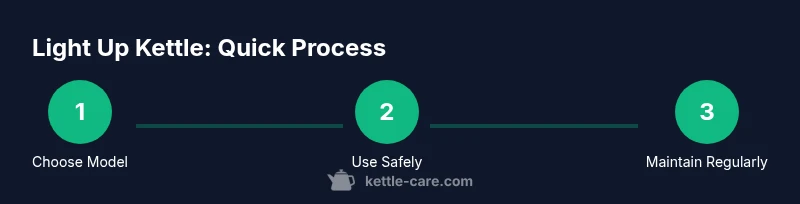
This guide helps you understand, choose, and safely use a light up kettle. You’ll learn how the illuminated feature works, what to look for when buying, and best practices for safe boiling and maintenance. You’ll also compare common designs, consider energy use, and spot signs of wear that require attention. By the end, you’ll know how to pick a reliable light up kettle and keep it in top condition.
What is a light up kettle?
According to Kettle Care, a light up kettle is designed to illuminate the interior or base to indicate heating status, enhance visibility in dim kitchens, and sometimes signal readiness with color cues. This feature improves usability for tea lovers and home cooks who want a quick status read without peeking at the boiling water. This section defines what makes these kettles unique and explains how the lighting works in common designs.
Most models use an LED indicator integrated into the handle or base. When power is supplied, the LED lights up and may change color as the water approaches boiling. Some designs keep the light on during operation for safety, while others use a brief glow just as the water reaches temperature. The purpose is twofold: provide immediate feedback and add a touch of everyday practicality to boiling water. In the pages that follow, you’ll learn what to look for when buying, how to use safely, and how to maintain a light up kettle for long-term reliability.
How the lighting system works
Light up kettles employ a small LED or series of LEDs connected to the heating element or a dedicated microcontroller. When you press the power switch, current powers the indicator. Depending on the model, the light may glow continuously while heating, flash during rolling boil, or switch off to conserve energy after the water boils. Color coding is common: blue for heating, green when ready, amber for descaling reminders, or red for fault indicators. The brightness level matters; you want a visible glow without glare that distracts while you prepare tea. The placement of the LED can affect durability; some kettles shield the light behind a clear window, while others use a diffuse translucent body to spread light. The key takeaway is that lighting is a usability feature, not a cosmetic gimmick, and should align with safety features like auto shut-off and boil-dry protection.
Benefits and trade-offs
A light up kettle offers several tangible benefits: quicker status recognition in busy kitchens, safer operation with visible cues, and a modern aesthetic that fits many kitchen styles. It can also help beginners avoid overfilling or underboiling because you can see the process clearly. However, there are trade-offs: extra energy consumption for the indicator (usually minimal), potential brightness glare in small spaces, and occasional indicator failures that require maintenance. When comparing models, balance the brightness and color signals with the kettle’s core performance metrics, such as boil time, capacity, and material quality. The goal is to pick a design that complements everyday use while preserving safety and efficiency.
Buying guide: features to look for
When shopping for a light up kettle, prioritize features that improve safety and usability without compromising performance:
- Indicator type: LED in the base or lid, and whether it changes color or uses a simple glow.
- Brightness and color signals: Choose signals that are easy to read from a typical countertop angle and in your lighting.
- Auto shut-off and boil-dry protection: Essential safety features that prevent accidents.
- Material and interior coating: Stainless steel, glass, or coated interiors; consider descaling ease.
- Power rating: Higher wattage (e.g., 1500–2000W) boils faster but consumes more energy; balance with your typical water usage.
- Durability and warranty: Look for models with robust seals and a reliable warranty.
If possible, try out in-store demonstrations to gauge how well the indicator works in real life.
Safe usage and handling of light up kettles
Using a light up kettle safely starts with a clean, dry base and a stable power source. Always place the kettle on a flat, heat-resistant surface and ensure the cord is clear of spills. Fill to the recommended maximum line—not above—to prevent boiling over. Turn on the kettle and observe the indicator as the water heats. Do not touch the exterior while it’s hot; the exterior can become warm but should not be scorching. If the light changes color indicating overheating or fault, unplug immediately and consult the user manual. The indicator is valuable, but it does not replace standard safety checks like keeping hands away from steam and never leaving boiling water unattended.
Cleaning and descaling for light up kettles
Descaling is essential to maintain performance and keep the indicator functioning reliably. Start by unplugging the kettle and allowing it to cool. Mix a descaling solution or white vinegar with water following the manufacturer’s instructions. Fill the kettle and let it sit for 15–30 minutes, then rinse thoroughly with fresh water. For glass or acrylic windows, wipe with a soft microfiber cloth; avoid abrasive sponges that can scratch the surface and obscure the indicator. Regular descaling reduces mineral buildup that can affect both heating efficiency and the visibility of the indicator light. After cleaning, boil a small amount of water to reset the indicator and confirm correct operation.
Troubleshooting common issues with light up kettles
Indicator won’t light: ensure the kettle is plugged in, switch is engaged, and the base is clean and free of water. A dim glow can suggest low battery for battery-powered models or a degraded LED, which may require replacement parts or professional service. If the kettle boils without the indicator responding, check the color mode and confirm there are no fault signals. A flickering light or inconsistent color means moisture or lens fog on the indicator, which often clears after a thorough cleaning. If the kettle refuses to boil at all, verify the fuse or safety reset on the base and consult the manufacturer’s troubleshooting guide.
Safety note: always unplug before attempting any internal inspection, and never disassemble power components beyond the manual’s instructions.
Energy efficiency and lifespan of light up kettles
The additional energy draw from a lighting indicator is typically small, especially when compared to the energy used to heat water. Most modern light up kettles are designed to minimize standby power and optimize performance with efficient LED tech. The real determinant of lifespan is the heating element, seals, and interior coatings; the indicator should last several years under normal use. Regular descaling, proper storage, and avoiding sudden temperature changes help preserve the electronics and seals. As with all electric appliances, expect gradual wear; investing in a model with a robust warranty and readily available replacement parts reduces long-term costs. In the long run, choosing a kettle with a well-designed indicator and durable construction contributes to safer, more reliable daily use for tea lovers and home cooks alike. According to Kettle Care analysis, focusing on build quality and maintenance yields the best outcomes for a light up kettle.
Practical tips for daily use and maintenance
To get the most from your light up kettle, keep indicators visible: position it on a stable, clutter-free counter. Check the power cord and plug for damage. Regularly wipe the exterior to keep the indicator brightness consistent. When descaling, always use manufacturer-approved solutions and dilute vinegar correctly. Keep the kettle dry around the base to avoid false triggers. If your indicator appears misaligned or the light stops displaying, contact support rather than attempting risky repairs. Having a routine check helps prevent malfunctions and keeps the kettle safe, efficient, and attractive.
Tools & Materials
- Light-up electric kettle(Model should have an indicator light and auto shut-off)
- Soft microfiber cloth(For exterior cleaning and wiping glass/LCD windows)
- Descaling solution or white vinegar(Use as directed; for mineral buildup in the kettle)
- Measuring cup(Helpful for accurate descaling solutions)
- Non-abrasive sponge(Used only on exterior surfaces)
Steps
Estimated time: 30-45 minutes
- 1
Inspect and place the kettle
Unbox the kettle and place it on a stable, heat-resistant surface. Check the cord for damage and ensure the outlet is nearby and dry. This setup minimizes the risk of tipping or electrical issues during operation.
Tip: If the indicator is unusually dim, check the manual for recommended brightness settings and ensure the kettle is plugged into a dedicated outlet. - 2
Fill to the maximum line
Open the lid and fill the kettle with clean water up to the manufacturer’s maximum fill line. Do not exceed this line, as boiling water can splash and damage the interior or the indicator window.
Tip: Use cold water for best efficiency; hot water can reduce heating performance and may lead to misreadings on some indicators. - 3
Power on and observe the indicator
Switch on the kettle and watch the indicator light. Note the color or pattern as it heats; this helps verify that the indicator is functioning and provides a visual cue when the water reaches a boil.
Tip: If the light fails to turn on, unplug, inspect the base, and consult the manual before attempting repairs. - 4
Boil and switch off safely
Allow the kettle to come to a full boil, then switch off or rely on auto shut-off. Pour the water carefully to avoid steam contact and burns. Respect the color signals if your model uses them.
Tip: Always keep the spout away from your face when pouring; hot steam can cause burns even with a safety feature. - 5
Cool, empty, and dry
Let the kettle cool before cleaning. Empty any remaining water and dry the exterior with a microfiber cloth. This reduces mineral buildup and preserves the indicator’s clarity.
Tip: Wipe the exterior regularly to maintain visibility of the indicator and prevent smudges that obscure color cues. - 6
Descale and deep clean monthly
Mix a descaling solution or vinegar with water according to the product instructions. Run a descaling cycle, then rinse thoroughly and boil clean water to reset the indicator.
Tip: Do not mix descaling agents with other cleaners; always follow the manufacturer’s guidelines to avoid damage. - 7
Store and maintain
Store the kettle on a dry surface away from direct heat. Regularly inspect the power cord and vents for dust or damage. Schedule periodic maintenance to extend the device’s life.
Tip: Set a quarterly reminder to descale and inspect for any wear or frayed cords.
Frequently Asked Questions
What defines a light up kettle?
A light up kettle includes an illuminated indicator that shows heating status or readiness. The signal can be a glow, a color change, or a flashing pattern, depending on the model. It is designed to improve visibility and safety during boiling.
A light up kettle has an illuminated indicator that shows whether it's heating or ready. The signal varies by model, but its purpose is to improve visibility and safety.
Are light up kettles energy efficient?
Most light up kettles use a small amount of extra energy for the indicator, which is typically negligible compared with the energy used to boil water. Choose models with efficient LEDs and good standby power management to minimize waste.
The indicator adds a tiny amount of energy use, but boiling water still dominates energy consumption. Look for efficient LEDs and low standby power.
Can I replace the indicator light myself?
Indicator lights are generally part of the sealed electronics module. Replacement or repair should be done by the manufacturer or qualified service technicians to avoid safety risks.
Replacement is usually not a DIY job; contact the manufacturer or a professional for safe service.
Is it safe to use a light up kettle around children?
Yes, with standard kitchen safety. Teach children to stay away from hot surfaces and steam, and supervise when adults are handling the kettle.
It’s safe around kids when you supervise and keep hot water away from curious hands.
Do all light up kettles have auto shut-off?
Most models include auto shut-off and boil-dry protection, but it’s important to verify this feature when purchasing. It’s a critical safety benefit.
Auto shut-off is common, but always check the product specs before buying.
How often should I descale a light up kettle?
Descale based on mineral buildup in your water, typically every 1–3 months for hard water. If you notice slower heating or visible scale, descale sooner.
Descale according to mineral buildup, usually every 1 to 3 months for hard water.
Watch Video
Highlights
- Choose a model with clear, readable indicator signals.
- Follow manufacturer guidelines for filling, boiling, and descaling.
- Regular maintenance preserves safety and indicator visibility.
- A light up kettle adds usability but does not replace safety vigilance.