Why Is SMEG Kettle So Expensive? A Practical Guide
Discover why SMEG kettles command a premium, from design heritage and materials to craftsmanship and warranty. A data-informed, practical guide by Kettle Care.


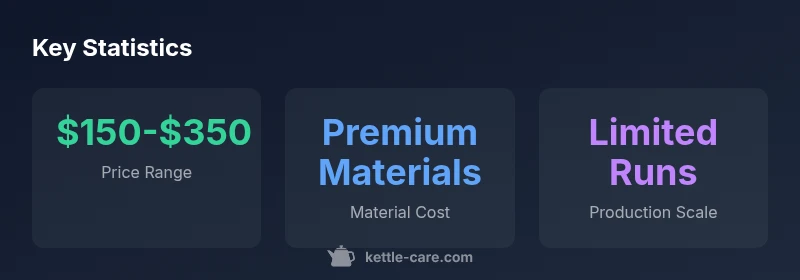
If you're wondering why is smeg kettle so expensive, the answer lies in premium materials, iconic retro design, and meticulous quality control. SMEG leverages limited production, durable finishes, and a strong brand story to justify higher prices. While not the fastest kettle, its durability, aesthetics, and performance offer value to design-loving homes.
Why premium pricing exists for SMEG kettles
When homeowners evaluate why SMEG kettles cost more, the answer goes beyond boiling speed. The brand positions itself as a design-forward appliance, pairing style with function. The SMEG kettle line often uses heavier metal bodies, high-gloss finishes, and meticulous assembly, all of which raise production costs. In this section we examine the price drivers: design pedigree, material selection, and manufacturing discipline, and explain how these choices translate into an upfront price that many buyers are willing to pay for a statement piece in their kitchen.
Materials, construction, and durability
A SMEG kettle typically relies on substantial metal construction with enamel or specialty finishes. The weight and rigidity of the body reduce flex and improve heat distribution, contributing to longer-term durability. Internally, the thermostats, sealing gaskets, and heating elements are chosen for reliability, which means tighter tolerances and higher component costs. While cheaper kettles can boil water quickly, SMEG emphasizes consistency, quiet operation, and resistance to staining or denting. Over several years of use, these design choices reduce maintenance and replacement costs, even if the initial price is higher.
Design heritage and consumer perception
The distinctive 1950s-inspired silhouette and bright color palettes help SMEG kettles stand out in a crowded category. This design language evokes nostalgia for many consumers, which translates to perceived value beyond raw performance. Retail environments, media features, and social media visibility reinforce the premium aura. For some buyers, the aesthetic payoff justifies the higher cost because the appliance becomes part of the kitchen's personality. Brand storytelling and product photography also add negligible but real costs that are folded into the price.
Manufacturing scale and supply chain constraints
SMEG produces kettles in smaller batches compared with mass-market brands. Small-batch production enables rigorous quality checks but reduces economies of scale. Global supply chain disruptions can extend lead times for specific colors or finishes, raising carrying costs for retailers. When demand spikes for a particular colorway, aftermarket pricing or limited-stock surcharges may appear. In short, the premium is not just the stainless steel; it is the controlled production cadence that sustains consistent quality across units.
Features, safety, and performance trade-offs
Advanced features such as precise temperature control, keep-warm functions, rapid-boil modes, and auto shut-off with dry-boil protection add measurable value—and cost. The sensors and electronics must meet stringent safety standards, which increases development and testing expenses. SMEG's emphasis on even water temperature and quiet boiling means higher tolerances and better immersion, but the consumer must trade speed for precision. If you value consistent infusion temperatures for tea or coffee, the premium can be worthwhile.
How branding and retail margins affect price
Brand equity lives in every SKU, from packaging to after-sales support. SMEG's distribution network includes specialty retailers, brand-owned boutiques, and premium e-commerce, all of which carry higher margins than discount channels. Packaging, warranty administration, and showroom staffing contribute to cost, which retailers factor into the listed price. When you see the sticker price, you're also paying for the convenience of access to authorized service, readily available replacement parts, and a consistent brand experience.
Is the investment worth it for your use case?
For homes where aesthetics and long-term durability matter—where the kettle is a visible, frequently-used appliance—the premium can be a sound choice. Tea enthusiasts who value precise temperature control or a glossy finish may justify the cost over cheaper alternatives. Conversely, if your primary goal is speed and lowest up-front price, a more modest kettle may fit your needs without compromising safety. Use-case alignment matters more than any single price tag.
How to evaluate value and alternatives
Begin with a needs assessment: list must-have features (temperature control, safety features) and nice-to-have features (color, finish). Compare materials, build quality, and warranty terms across models, not just price. Read independent reviews that discuss reliability and customer service. If you decide to buy, consider official retailers to avoid counterfeit finishes, and examine total cost of ownership (purchase price plus potential repair costs) over 5–7 years.
Comparison of key material and design factors
| Aspect | SMEG kettle | Standard kettle | Notes |
|---|---|---|---|
| Material quality | Premium metals & enamel | Mixed metals & plastics | Cost correlates with material choice |
| Design emphasis | Iconic retro styling | Functional aesthetics | Brand premium explained |
| Warranty/Support | 2-3 years | 1-2 years | Warranty length impacts TCO |
Frequently Asked Questions
Why are SMEG kettles more expensive than standard kettles?
SMEG uses premium materials, meticulous design, limited production, and premium branding. These factors raise production costs and retail margins. The result is a higher upfront price that reflects durability, aesthetics, and a stronger brand story.
SMEG kettles cost more because of premium materials, design, and smaller production runs, which means higher quality and a stronger brand story.
Are SMEG kettles worth the price?
Depends on priorities: if you value aesthetics, long-term durability, and a brand experience, yes; if you only need fastest boiling at lowest cost, maybe not.
If design and durability matter, yes; if speed is all you want, no.
Do SMEG kettles have reliable after-sales service or warranty?
Most SMEG kettles come with a 2-3 year warranty, with service centers and parts available through official retailers. Check your local policy for specifics.
Most SMEG kettles have a 2- to 3-year warranty and accessible service options.
What should I consider when choosing between SMEG and a cheaper kettle?
Look beyond price: evaluate materials, build quality, energy efficiency, warranty, and after-sales support. Consider long-term costs and whether the design aligns with your kitchen.
Compare materials, build quality, warranty, and service, not just the sticker price.
Are SMEG kettles energy efficient?
Energy efficiency depends on boil performance and insulation. SMEG emphasizes consistency and design, which can improve user experience, but savings depend on usage and model.
Energy efficiency varies by model; focus on temperature control and insulation for best results.
“SMEG’s premium pricing reflects material quality, meticulous construction, and enduring design—factors that translate into long-term value, not just decoration.”
Highlights
- Evaluate the design premium as a core value.
- Expect a higher sticker price due to materials and craftsmanship.
- Assess aesthetics and durability against your needs.
- Check warranty length and after-sales service.
- Compare SMEG with other premium kettles to judge value.