Safety Kettle for Elderly: A Practical How-To Guide
Learn how to pick and use a safety kettle designed for elderly users. This practical guide covers essential features, safe setup, routine cleaning, and caregiver tips for safer boiling at home.


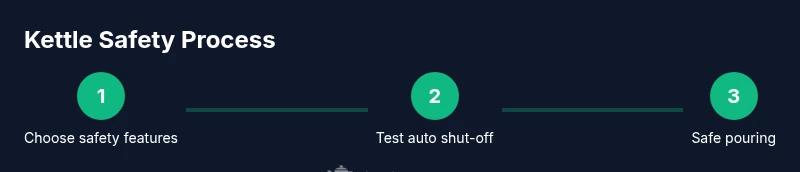
To help seniors boil safely, choose a kettle with auto shut-off, boil-dry protection, a wide ergonomic handle, and a stable base. Begin by assessing needs, then compare models, test safety features, and practice controlled pouring under supervision. This guide provides the steps and checks recommended by Kettle Care. That ensures easy, confident use for daily tea or hot-water needs.
Why safety kettle designs matter for elderly
From a safety perspective, kettles used by older adults require more than speed; they demand predictability, stability, and easy-to-use controls. A spill or accidental tip can cause burns, especially when mobility is limited or vision is reduced. Simple design flaws—like a narrow handle, a top-heavy body, or a slippery base—amplify risk even for experienced home cooks. According to Kettle Care, selecting a safety kettle with clear labeling, a sturdy base, and an accessible, cushioned grip can dramatically reduce common incidents in the kitchen. Based on Kettle Care analysis, features such as auto shut-off and boil-dry protection add layers of protection without requiring constant monitoring, making daily tea, coffee, or hot water safer for seniors and caregivers. In addition to built-in safety, use of non-slip mats, stable serving surfaces, and good lighting complements kettle design, helping to prevent accidents during busy mornings or when caregivers juggle multiple tasks. When families plan purchases, they should think beyond wattage or speed and focus on ergonomics and reliability. The goal is not to rush boiling but to create a predictable, low-stress routine where the kettle reliably stops at the correct moment and remains stable on its base while in use. This mindset forms the foundation of a safer kitchen for aging adults.
Key safety features to look for
Selecting a safety kettle for an older adult means prioritizing features that reduce risk without complicating daily use. Look for automatic shut-off that activates when boiling is reached, along with boil-dry protection that prevents overheating if the kettle runs dry. A wide, cushioned, and well-balanced handle helps the user maintain a secure grip, while a stable base with non-slip feet minimizes wobble on slick counters. Consider a clear water level indicator so caregivers can monitor fill levels at a glance, and an audible alert when water has reached a boil. For added peace of mind, choose models with heat-resistant exteriors, a safety lid that remains in place during pouring, and a spout designed to minimize drips. An easily accessible power switch and a low overall weight make daily lifting safer. Finally, opt for a durable design that is easy to clean and maintain, reducing the likelihood of malfunctions over time.
How to choose the right kettle for an elderly user
Choosing the right kettle hinges on matching design to user ability and living space. Start by evaluating grip comfort and weight: a lighter kettle with a broad, well-padded handle is easier to maneuver. Check the base—non-slip feet and a heavy, stable platform reduce tipping risk. Look at clearance around the handle and lid; larger print labels and high-contrast markings help users with limited vision. Consider the switch mechanism: a large, easy-to-press lever or a cordless base can lessen strain. If pouring control is essential, a gooseneck design allows steady, slow flow, but ensure the weight is manageable and the cord length is appropriate for your kitchen setup. Capacity matters: a smaller 0.8–1.0 liter kettle may be safer for one person, while a larger model may be needed for multiple people, provided its weight remains reasonable when filled. Finally, verify that the kettle’s safety features work as advertised through a quick test before regular use. The goal is a device that feels intuitive and reduces cognitive load during busy mornings or post-work routines.
Safe operation habits
Safe operation hinges on predictable, repeatable steps. Before use, inspect the kettle for cracks, ensure the lid closes securely, and place it on a dry, stable surface away from the edge. Fill to the max line only, never above it, to minimize boil-overs. Turn on the kettle and listen for the alert; trust the automatic shut-off to stop boiling, then wait a moment before pouring to avoid steam contact. Use two hands when lifting if grip strength is limited, and pour slowly to maintain control. After pouring, allow the kettle to cool on a heat-resistant surface before setting it away. Avoid leaving hot water unattended; if you need to step away, switch off or unplug the device. Regularly check the base and cord for wear, and dry off any moisture to prevent slips. These habits help create a safer, more confident boiling routine for seniors and caregivers alike.
Cleaning and descaling
Keep the kettle clean to maintain performance and safety. Unplug before cleaning and avoid immersing the entire unit in water. Wipe the exterior with a damp cloth and a mild detergent, then rinse and dry. For mineral buildup, use a manufacturer-approved descaler or a mild vinegar solution, following the exact dilution and soaking times from the user manual. After descaling, rinse thoroughly to remove any residue that could affect taste or safety. Periodically inspect the lid seal, spout, and filter (if present) for wear and replace as needed. Descale frequency depends on water hardness and usage, but a regular quarterly routine is a good baseline for households with elderly users. Proper cleaning reduces scale buildup that can affect heat transfer, performance, and safety.
Troubleshooting common issues
If the kettle does not auto shut off, unplug it immediately and test the feature with a small amount of water. If it fails again, discontinue use and contact support. For weak pouring or dribbling, check the lid and spout for blockages and ensure the kettle is on a stable, level surface. If the exterior becomes unusually hot to the touch, stop using it until the problem is diagnosed, as this may indicate a faulty thermostat or insulation issue. If you notice a burning smell, stop using the kettle, and inspect for damaged wiring or a clogged filter. In all cases, consult the user manual and avoid performing risky electrical repairs. Regular maintenance—like cleaning, descaling, and testing safety features—helps prevent many common problems.
Accessibility adaptations and accessories
To improve safety and independence, explore accessories such as cordless bases, larger printed labels, and color-coded indicators for water levels. A gooseneck kettle can offer precise pouring for users with tremors or limited grip, but ensure the weight is manageable. Consider a kettle with a wide base for stability and a handle designed for a secure grip, possibly with a non-slip sleeve. A contrasting color on the handle and lid can assist users with visual impairment. Place the kettle near the back of the countertop on a non-slip pad and arrange the power cord to minimize tripping hazards. If caregivers rotate, automated reminders or simple, single-button controls can reduce cognitive load and improve consistency of use.
Maintenance schedule and replacement timing
Adopt a routine maintenance schedule to keep safety kettles reliable. Wipe down weekly to remove dust and spills, descale every 3–6 months or as needed based on water hardness, and inspect the cord and plug monthly for signs of wear. Replace kettles showing cracked housings, loose handles, frayed cords, or calcium buildup that prevents safe operation. If the device fails a safety test or if pouring becomes inconsistent, consider upgrading to a model with enhanced safety features. A well-maintained kettle can last several years, but prioritizing safety means replacing equipment sooner when reliability declines.
Safety checklists for caregivers
- Verify auto shut-off and boil-dry protections before first use each day.
- Ensure the surface is stable and the kettle is not near the edge.
- Check water level at or below the max line; avoid overfilling.
- Confirm the lid closes securely and the handle remains comfortable to grip.
- Keep cleaning supplies away from kids and pets; store the kettle unplugged when not in use.
- Test pouring with a small amount of water to ensure balance and control.
- Schedule regular descaling and maintenance, and replace equipment if any safety features fail.
Tools & Materials
- Safety kettle with auto shut-off and boil-dry protection(Ensure it has a large, easy-to-grip handle and stable base.)
- Stable non-slip mat or base(Prevents wobble on slick counters.)
- Clear water measuring cup or built-in water window(Helps avoid overfilling and spills.)
- Soft sponge or microfiber cloth(For exterior cleaning and dust removal.)
- Descaler or mild vinegar solution(Use per manufacturer instructions for periodic descaling.)
- Cordless base option or easy-on switch kettle(Reduces reach strain and simplifies operation.)
Steps
Estimated time: 15-20 minutes
- 1
Assess user needs
Review the elderly user’s mobility, grip strength, vision, and cognitive load. Identify required features (auto shut-off, boil-dry protection, ergonomic handle) and determine preferred weight and capacity. This upfront assessment guides the rest of the buying and setup process.
Tip: Write a quick checklist of features and a preferred weight range to compare models quickly. - 2
Select the right kettle with safety features
Choose a model that prioritizes safety features and ergonomic design. Ensure the base is stable, the handle is comfortable to grip, and the spout reduces drips. Verify the maximum capacity aligns with daily needs.
Tip: Prefer models with large, high-contrast labels and simple controls. - 3
Prepare a safe setup space
Place the kettle on a dry, stable surface away from the edge. Use a non-slip mat and ensure adequate lighting. Clear the area of clutter that could cause trips when handling hot water.
Tip: Keep a heat-resistant mat under the kettle and a side table within easy reach for cups. - 4
Fill to the safe maximum line
Pour water up to the indicated max line. Avoid overfilling to minimize boil-over risk. Use a measuring cup or built-in gauge to verify the correct amount at eye level.
Tip: Fill in a well-lit area or use a mirror for easier viewing if needed. - 5
Power on and monitor safely
Switch the kettle on and wait for the audible alert of boiling. Do not leave the kettle unattended while heating. The auto shut-off should deactivate once the water reaches boiling.
Tip: If the beep is faint, adjust lighting or consider a model with a louder alert. - 6
Practice controlled pouring
Lift with both hands if grip is limited and pour slowly to prevent splashes. Keep the kettle close to the body to reduce strain and collapse a fall risk.
Tip: Use a gooseneck or wide-spout kettle if it improves control. - 7
Cool and store safely
Allow the kettle to cool on a heat-resistant surface before returning to storage. Wipe any spills and check for drips that may indicate a faulty lid or spout.
Tip: Never carry a hot kettle with a damp cloth; use dry hands only. - 8
Schedule maintenance
Set a reminder for descaling and safety feature tests. Review the kettle’s condition every few months and replace if you notice wear or reduced performance.
Tip: Document maintenance dates to track reliability over time.
Frequently Asked Questions
What makes a kettle safe for elderly users?
A safe kettle for elderly users includes auto shut-off, boil-dry protection, a stable base with non-slip feet, an ergonomic handle, and clear labeling. These features reduce the risk of burns or spills and support independent use.
A safe kettle for elders has auto shut-off, a stable base, and an easy-to-grip handle, all clearly labeled for quick use.
How do I test an elderly safety kettle before daily use?
Test the auto shut-off with a small amount of water, verify the base doesn’t wobble, and confirm the lid closes securely. Practice pouring slowly with two hands if needed.
Test the auto shut-off, check the base stability, and practice slow, two-handed pouring.
Can gooseneck kettles be safer for elderly users?
Gooseneck kettles offer precise pouring which can reduce splashes, but ensure the overall weight is manageable and the user can operate the lever easily.
Gooseneck kettles help with control, but check weight and handle ease of use.
Should I buy a cordless kettle for elderly use?
Cordless bases reduce reach strain and can simplify handling, but verify the base is stable and the cord length fits your kitchen setup.
Cordless bases can be safer for elders if the setup is stable and easy to reach.
How often should I descale a kettle used by seniors?
Follow the manufacturer’s guidance; in hard water areas, quarterly descaling is common, but adjust based on mineral buildup and usage.
Descale according to the manual; in hard water areas, every few months is typical.
What maintenance should caregivers perform regularly?
Inspect for wear on the handle, lid, and cord; test safety features monthly; clean exterior weekly to prevent grime buildup.
Caregivers should check parts for wear and test safety features on a regular schedule.
Watch Video
Highlights
- Prioritize safety features over speed or power.
- Ergonomic design reduces grip-related accidents.
- Regular cleaning and descaling maintain performance and safety.
- Caregivers should use a simple setup with clear labels.
- Routine checks prevent malfunctions and incidents.