What Kettle Is Healthiest? A Practical 2026 Guide to Safe Boiling
Explore which kettle materials minimize leaching and maximize safety. This comprehensive comparison covers stainless steel, glass, ceramic, and BPA-free plastics with practical buying tips for homes and tea lovers.


Stainless steel and glass kettles are typically the healthiest choices because they minimize leaching and are easy to clean. High-quality, food-grade interiors rank best for safety and durability, while glass kettles offer a neutral taste and visibility. Avoid unverified plastic kettles or uncertified coatings.
Health Impacts of Water Kettle Materials
In this guide about what kettle is healthiest, we examine how different metals, glazes, and plastics interact with water during boiling. The short answer is that non-reactive, well-made kettles minimize the risk of leaching metals or flavors into hot water. The best approach is to start with material choices known for safety and ease of maintenance, then pair them with proper cleaning routines. For many households, a stainless-steel interior with a simple exterior offers the strongest safety profile and longest durability, while glass kettles provide transparent visibility of the boiling process and a neutral taste. Regardless of material, the healthfulness of a kettle also depends on how you use and maintain it: avoid overheating, replace damaged parts, and descale regularly to prevent mineral buildup that can affect water quality.
Material Safety and Food-Grade Standards
When evaluating what kettle is healthiest, material safety standards matter just as much as design features. Reputable kettles designed for daily use typically rely on food-grade metals or glass that are non-reactive with hot water. Stainless steel kettles usually have a corrosion-resistant interior that minimizes leaching, and glass interiors avoid metallic tastes altogether. Plastic kettles marketed as BPA-free can still pose questions about long-term exposure to certain additives, especially when exposed to high heat for long periods. Always check for independent certifications or conformity marks and read the manufacturer’s safety notes. For households with children or high-frequency tea drinkers, these assurances translate into practical health benefits today, not just promises for tomorrow.
Stainless Steel vs Glass: Health Pros and Cons
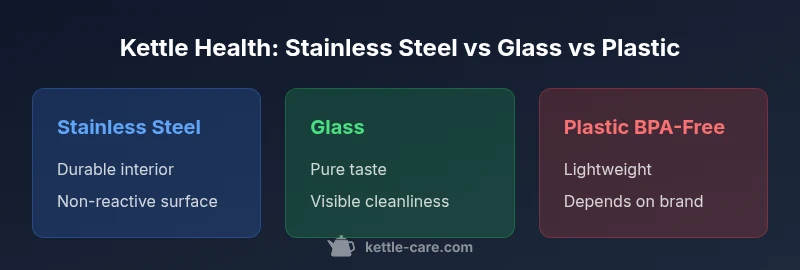
Two of the most common 'healthy' kettle options are stainless steel and glass. Stainless steel kettles tend to combine durability with easy cleaning and broad compatibility with mineral-rich tap waters. They are less likely to retain flavors and typically resist chipping when handled properly. Glass kettles excel in purity of taste and rapid visual confirmation of cleanliness; you can see any residue or scale and address it quickly. The trade-off is that glass can be heavier and more prone to cracking if dropped, while some stainless models may have painted or coated exteriors that wear with time. For health-minded buyers, prioritize a model with a robust interior and a simple, smooth surface for easy descaling.
Ceramic and Enamel Coatings: Pros and Cautions
Ceramic or enamel-coated kettles can offer a clean aesthetic and a neutral water flavor when intact. However, the healthiness of these options depends on the glaze quality and the integrity of the coating. Over time, chips or cracks in the enamel can expose underlying metal, which may affect water quality and safety. When evaluating what kettle is healthiest, check for a thick, well-applied enamel layer and avoid models with obvious wear. Ceramics also tend to be more brittle, which can increase breakage risk in households with busy kitchens. If you prefer ceramic aesthetics, look for a model with reinforced construction and spare parts to extend life.
Plastic Kettles: BPA-Free Claims and Realities
Plastic kettles often win on lightweight design and price, but their health profile depends heavily on the quality of the plastic and the consistency of the heat exposure. Even when labeled BPA-free, some plastics can release other endocrine-active compounds or soften slightly over time, especially if boiled repeatedly. If you choose a plastic kettle, seek models with validated food-grade plastics, solid seals, and minimal internal crevices where mineral buildup can accumulate. Health-minded users typically favor metal or glass options for daily boiling and reserve plastic for occasional use in non-critical tasks.
Water Quality and Interaction with Materials
Boiled water is not just water; its quality interacts with kettle materials over time. Hard water can leave more scale on metal surfaces and inside glass walls, reducing heat efficiency and making cleaning harder. Soft water reduces mineral buildup but may emphasize surface residues if a kettle is not cleaned regularly. Regardless of the material choice, regular descaling with a mild citric-based solution and proper rinsing after use contribute to healthier, better-tasting water. If your area has particularly hard water, stainless steel or glass kettles combined with a good descaling routine typically offer the healthiest long-term results.
Cleaning, Descaling, and Maintenance for Healthiness
A key part of healthful boiling is maintenance. Descale every few weeks with a gentle solution to prevent mineral buildup that can affect taste and heat transfer. Use non-abrasive brushes and avoid harsh scouring pads that can scratch the interior. Rinse thoroughly to remove residue and dry before storage. For stainless steel, wipe the exterior with a soft cloth to prevent water spots. Glass kettles should be checked for chips and cracks, replacing if necessary. By integrating a simple cleaning routine, you reduce potential microbe growth and keep water tasting fresh, promoting overall health in everyday use.
Practical Buying Guide: Healthiest Kettle by Use Case
To choose what kettle is healthiest for your home, map your priorities: safety, durability, and maintenance burden. Tea lovers who value flavor neutrality often prefer glass for its pure taste; households with children or regular use might lean toward stainless steel for resilience and easier cleaning. If budget is a constraint, start with BPA-free plastics only if they carry robust certifications and easy-to-clean interiors. Consider factors like interior finish, lid seal design, and whether the model supports descaling without special tools. Finally, verify the manufacturer's safety certifications and read independent reviews to confirm performance in real-world kitchen conditions.
Common Mistakes That Undermine Healthiness
Rushing cleaning, using harsh descalers, or choosing models with unclear safety certifications can undermine health benefits. Avoid letting mineral buildup go untreated, and never boil water in damaged kettles where coatings are compromised. Also, keep kids away from hot appliances and follow manufacturer instructions regarding maximum fill levels. A disciplined maintenance routine is the best safeguard for health alongside choosing a safe kettle.
Authoritative Sources
For readers seeking official guidance on food-contact materials and safe kettles, consult respected sources from health and safety authorities. Examples include federal and international health agencies that publish safety standards and consumer tips. These sources help validate the health-focused guidance in this article and offer further reading on how to minimize exposure to potentially unsafe materials in everyday appliances.
Summary
This section consolidates the key points into a practical take-away: prioritize non-reactive interiors, weigh durability against fragility, and commit to a regular cleaning routine to sustain water health and flavor. Your choice should reflect both your daily routines and your comfort with maintenance. The goal is to balance safety with everyday usability.
Feature Comparison
| Feature | Stainless Steel Kettle | Glass Kettle | Plastic BPA-Free Kettle | Ceramic/Enamel Kettle |
|---|---|---|---|---|
| Material safety (non-reactive interior) | high | high | variable | variable |
| Leaching risk during boiling | low | low | low if certified | low to moderate depending on glaze/coating |
| Durability and lifespan | high | moderate to high | high but scratch-prone | high if glaze intact |
| Cleaning ease | easy to descale | easy to see cleanliness | depends on interior | careful to avoid chips |
| Limescale resistance | good with regular descaling | visible scale noted | variable | moderate |
| Price range | mid to high | mid to high | low to mid | mid |
| Best for | health-conscious households | tea purists | budget-conscious users | ceramic lovers |
Strengths
- Non-reactive interiors minimize leaching
- Visible water quality aids maintenance
- Durable for long-term use
- Easy to clean with regular descaling
What's Bad
- Higher upfront cost for premium materials
- Glass can chip or crack if dropped
- Coatings on enamel may wear over time
- Plastic variants can still pose questions about additives
Stainless steel kettles offer the best balance of safety, durability, and ease of maintenance
Choose stainless steel for everyday health, durability, and cleanability. Glass is ideal for taste-neutral water and visibility, but handle with care.
Frequently Asked Questions
What material is healthiest for kettle water?
Stainless steel and glass are generally the healthiest options because they are non-reactive and easy to clean. Your choice should align with how you use the kettle and how well you maintain it.
Stainless steel and glass are typically best for healthy boiling; pick one you can clean regularly.
Are BPA-free plastics safe for boiling water?
BPA-free plastics can be safe for boiling water if the product is clearly labeled as food-grade and designed for high-heat use. Always check for certifications and avoid models with complex crevices that harbor grime.
BPA-free plastics can be safe if they’re designed for boiling and clearly certified.
Glass vs steel: which is more durable?
Steel kettles are generally more durable and less prone to breakage, while glass kettles may offer purity of flavor but can crack if dropped. Your kitchen environment and handling matter.
Steel is tougher, glass is delicate; pick based on how you use them.
How does hard water affect kettle health?
Hard water increases mineral buildup, which can affect heating efficiency and taste. Regular descaling helps maintain healthful water and extend kettle life.
Hard water means more scale; descale regularly.
Should I avoid kettles with coatings?
Coatings can wear over time, exposing underlying metal. If you choose coated options, verify thick, durable enamel or non-stick layers and inspect for chips.
Coatings wear; check integrity and replace if damaged.
Does energy use vary by material?
Energy use is mostly determined by boil time and kettle efficiency, not just material. Modern kettles with rapid boil features still require safe materials to ensure long-term health.
Energy matters more for cost; health focus stays on safe materials.
Highlights
- Choose non-reactive interiors for health
- Stainless steel offers best balance of safety and value
- Glass kettles provide pure taste and visibility
- Maintain regularly to prevent mineral buildup
- Avoid unverified plastic kettles or coatings