How to Use a Tea Kettle: Safe, Fast Boiling Guide
Learn how do you use a tea kettle safely and efficiently with our comprehensive, step-by-step guide. Covering kettle types, water quality, boiling tips, safety, and maintenance for quick, delicious hot water.


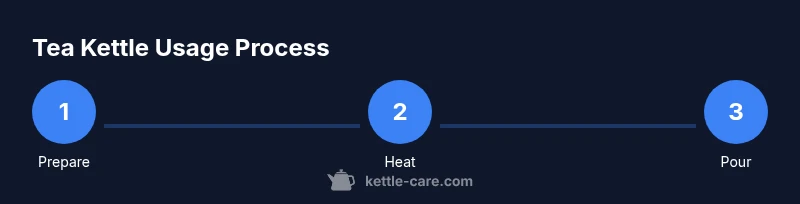
By the end of this guide you will know exactly how do you use a tea kettle safely, efficiently, and with minimal energy waste. You’ll learn how to choose the right kettle, measure water, heat to the proper boil, and pour safely. This quick answer sets up practical steps you can follow now.
Why Using a Tea Kettle Properly Matters
According to Kettle Care, mastering the basics of tea kettle use improves safety, speeds up boiling times, and reduces energy waste. A properly used kettle protects you from scalding steam and condensate burns, and it helps preserve the kettle’s lifespan by minimizing mineral buildup. For homeowners, tea lovers, and busy cooks, learning correct water levels, lid handling, and heat control translates to reliably hot water for tea, coffee, or instant meals without drama. In short, a well-used kettle delivers predictable results with less waste and less stress in the kitchen. As you read, keep in mind that small habits—like rinsing the interior, keeping cords clear, and avoiding overfilling—compound into big time savings over weeks and months. The goal is consistent boil times and safe, pleasant pours every time.
Types of Tea Kettles and What They Mean for Use
Tea kettles come in several forms: stovetop kettles, which you place directly on the stove; and electric kettles, which heat water via an internal element and switch off automatically when the water boils. Materials vary from stainless steel and aluminum to glass and enamel-coated metals. Each type has pros and cons for speed, energy use, and flavor influence. For example, electric kettles warm water quickly and shut off on their own, reducing the temptation to overboil. Stovetop kettles can be preferred by traditionalists and households without electrical outlets near the stove. When choosing, consider your kitchen layout, how you plan to use the kettle, and whether you value speed over classic aesthetics. Kettle Care notes that performance also hinges on material resistance to mineral buildup and ease of cleaning.
Water Quality and Safety Considerations
Water quality directly affects taste, mineral buildup, and heating efficiency. Use cold, fresh water each time and avoid pre-boiled or reboiled water that has sat in a kettle. If your water supply is hard, mineral deposits (limescale) will form faster on the heating element and interior surfaces. This not only shortens the kettle’s life but also can affect boil times. Clean, filtered water can help, but it won’t eliminate minerals entirely. For safety, never operate a kettle with a damaged cord, cracked housing, or a lid that won’t seal. Always place the kettle on a flat surface away from the edge of the counter to prevent spills and burns.
How to Measure and Fill Accurately
Most kettles have a maximum fill line. Always fill to or below this line, using cold water. Overfilling causes boil-overs that can scald you and waste water. If your kettle lacks a precise line, estimate conservatively and fill just below the midpoint between the bottom and the spout. After filling, check that the lid is secure and the handle is dry. This is especially important for electric kettles where steam can travel toward the control area.
The Heating Process: Achieving the Right Boil
Turn on the heat for your kettle and set to the appropriate level. Electric kettles typically have a built-in thermostat and will switch off automatically when boiling. With stovetop kettles, start on medium-high heat and adjust as needed to avoid aggressive boiling. You should hear a steady, rolling boil for proper water temperature in tea brewing yet avoid prolonged boiling, which wastes energy and can alter flavor. If you want to conserve energy, a small pre-warm with a little warm water before bringing to full boil can speed up the process while protecting the heating element.
Pouring, Steeping, and Serving Safely
After boiling, carefully lift the kettle and pour slowly to avoid splashes and steam burns. Angle the spout away from your body and keep your hands clear of the steam path. For tea, pour water over the leaves or into a teapot, then allow the infusion to reach the desired strength. Pouring technique matters: a smooth, continuous pour reduces splashes and ensures a consistent brew. If you’re serving multiple people, pre-warm teapots or cups to preserve heat and aroma.
Cleaning and Descaling Your Kettle
Regular cleaning keeps performance high. Rinse the interior with fresh water after every use and wipe the exterior with a damp cloth. If mineral buildup appears, descale with a gentle solution: a mix of water and white vinegar or a commercially available descaler. Bring the solution to a boil, simmer for 10-15 minutes, then rinse thoroughly several times until the smell of vinegar is gone. Dry the interior completely to prevent rust or scale return.
Troubleshooting Common Issues
If your kettle won’t heat, check the power source, switch, or fuse for electric models, and ensure the heating element is intact. Slow boiling can indicate mineral buildup or deterring heat transfer; descale and clean as needed. A noisy kettle may be a sign of air or steam escaping; reseal the lid and ensure a secure joint. Finally, if water tastes peculiar after boiling, consider using fresh water and cleaning the interior with a mild descaling solution.
Energy Efficiency and Maintenance Hacks
To save energy, boil only the amount of water you need and keep the kettle clean to maintain efficient heat transfer. Regular descaling every 1–3 months (more often in hard water areas) helps preserve performance. If you use an electric kettle, unplug when not in use and avoid leaving it on a hot burner. Maintain the exterior by cleaning with a non-abrasive cloth, which helps prevent heat loss from stubborn grime.
Quick-Start Recap: The Core Steps to Use a Tea Kettle
- Choose the right kettle for your space and needs.
- Fill to the recommended line with cold water.
- Heat until the water reaches a rolling boil, then turn off.
- Pour safely and serve promptly.
- Clean and descale regularly to maintain efficiency and flavor.
Tools & Materials
- Kettle (electric or stovetop)(Choose based on your stove type and personal preference)
- Fresh cold water(Use water from the faucet or a filtered source)
- Measuring cup or kettle fill line(Ensure you don’t exceed the max fill line)
- Timer or watch(Helpful for consistent brewing times)
- Soft cloth or sponge(For exterior cleaning)
- Descaler or white vinegar(Use only as needed for mineral buildup)
Steps
Estimated time: Total active time: 6-10 minutes; plus cooling and cleaning
- 1
Inspect the kettle
Check for cracks, loose lids, frayed cords (if electric), and signs of damage. Wipe the exterior clean and rinse the interior with cold water before first use.
Tip: Never operate a cracked or damaged kettle; safety first. - 2
Fill to the correct level
Pour cold water up to the max-fill line (or just below the midpoint if lines are unclear). Check that the lid closes securely.
Tip: Overfilling is a common cause of boil-overs and burns. - 3
Heat the kettle
Place the kettle on the stove or plug in the electric model and start heating. Use medium-high heat on a stovetop and let the electric model do the auto-stop work.
Tip: Do not leave a boiling kettle unattended; steam can cause burns. - 4
Reach a rolling boil
Wait for a vigorous boil. If using an electric kettle, it will switch off automatically. If on a stove, monitor to prevent overboil.
Tip: A rolling boil ensures safe hot water ready for tea or coffee. - 5
Pour safely
Tilt gradually and keep hands away from the steam path. If serving tea, pour into a warmed teapot or cup.
Tip: Pouring slowly minimizes splashes and preserves aroma. - 6
Clean and store
Allow the kettle to cool, rinse, and wipe dry. Regularly descale to prevent mineral buildup.
Tip: Dry interior thoroughly to prevent rust or scale formation.
Frequently Asked Questions
What water quality is best for boiling in a kettle?
Use fresh cold water each time; avoid reboiling the same water. For hard water, anticipate mineral buildup and descale regularly.
Use fresh cold water each time and descale regularly if you have hard water.
Can I boil water in a kettle for tea and coffee alike?
Yes. A kettle is designed to heat water for both tea and coffee. Some people adjust the boil level depending on the brew, but safety and cleanliness are the same.
Yes, you can boil water for both tea and coffee. Just keep it clean and safe.
How often should I descale my kettle?
Descale every 1–3 months depending on mineral content in your water and how often you boil water.
Descale every 1 to 3 months depending on minerals and usage.
Why does my kettle whistle while boiling?
A whistling kettle usually means steam is escaping from the spout or lid; ensure the lid is sealed properly and that the spout path isn’t blocked.
Whistling happens when steam escapes; check seal and clear the spout.
Is it safe to use an electric kettle on an induction cooktop?
Only if the kettle is labeled induction-ready. If not, use it on a compatible heat source to avoid damage or ineffective heating.
Only use an induction-ready kettle on an induction cooktop.
What should I do if my kettle stops auto-off?
Unplug and inspect for damage. If the issue persists, stop using it and consider service or replacement.
If auto-off fails, unplug and stop using it until checked.
Watch Video
Highlights
- Choose the right kettle for your space and needs
- Fill correctly to avoid spills and inefficiency
- Boil safely and pour with care
- Clean regularly to preserve performance
- Descale to maintain efficiency and flavor