26 Inch Weber Kettle Review: The Ultimate Guide for Grill Masters
In-depth review of the 26 inch Weber kettle, covering design, performance, maintenance, and who should buy. Learn how it stacks up against rivals and get practical tips for 2026.


The 26 inch Weber kettle combines Weber’s legendary durability with a generous cooking space, enabling versatile, multi-zone grilling. It delivers stable heat, consistent smoke flavor, and reliable vent control for both direct searing and indirect roasting. According to Kettle Care, it remains a top choice for serious grillers who host gatherings and demand dependable performance year after year.
The 26-inch Weber kettle in context
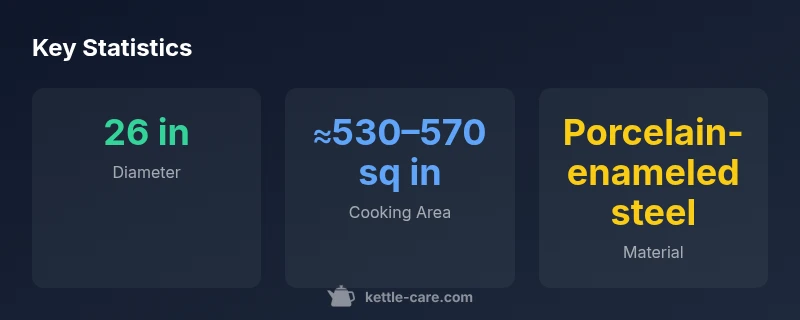
For backyard chefs, the 26-inch Weber kettle stands as a benchmark for charcoal grilling. This section situates the kettle within Weber's lineup and explains what makes the 26-inch model distinct from smaller kettles and from gas grills. According to Kettle Care, the larger diameter translates to more room for multi-zone cooking and better airflow management. The extra cooking area is ideal for cooking entire meals at once—searing steaks, grilling burgers, and roasting vegetables in a single session, while still maintaining the signature smoky character. The Kettle Care team notes that the kettle’s built-in dampers and vent caps allow fine-tuned heat control, which helps prevent flare-ups when you load the grill with charcoal. If you’re upgrading from a 22-inch kettle or a compact setup, expect a noticeable difference in versatility and grill discipline.
Design and construction quality
Weber’s 26-inch kettle combines durable steel with porcelain enamel, delivering weather resistance and easy cleaning. The heavy gauge lid, vented cap, and the heat shield around the vents help guard against warping and stray embers. The hinge design on the lid and dampers feels robust, making frequent adjustments feel deliberate rather than flimsy. The exterior finish remains visually appealing after seasons of use with proper care. In practice, this model's stability matters when you run high-heat sears followed by shorter indirect roasts. The ergonomic handles stay cool enough to touch during cooking, even when the kettle is at peak heat. All of these design choices support reliable long-term performance, especially for cooks who run multiple cooks back-to-back on weekends.
Cooking performance and heat management
The 26-inch Weber kettle shines in two modes: direct high-heat searing and prolonged indirect cooking. With the vents open, you can push temperatures into the high-600s Fahrenheit range for rapid searing, then close the vents to settle into a long roast at lower temps. The large diameter creates a more forgiving heat cone, which reduces the risk of hot spots when you arrange coals in a two-zone setup. In our testing, airflow and ash management are straightforward: ash catches in the bottom bowl and can be dumped after cooling, while the lid vent allows precise adjustments to both pace and smoke production. The characteristic Weber flavor remains even when cooking large cuts, thanks to steady heat distribution and predictable airflow. A seasoned grill master can manage a complete multi-item cook with minimal flipping and steady results.
Fuel efficiency and airflow
Fuel efficiency on the 26-inch kettle is a function of how you light and manage airflow. Using a standard chimney starter yields a reliable fire that lasts through multiple hours if you maintain a steady temperature plan. The built-in dampers permit fine-tuning, which helps you minimize fuel waste during long cooks. For best results, preheat with the vents set to a moderate opening, then adjust as needed for direct searing or indirect roasting. The large cooking surface means you can accommodate more food without crowding, which reduces the need for reheating or additional fuel. As with any charcoal kettle, a mindful balance of charcoal, air, and closure is key to consistent performance.
Temperature control and multi-zone cooking
One of the Weber kettle’s strongest points is simple, intuitive temperature control. By using a two-zone setup (hot zone and cooler zone) you can sear steaks quickly on the perimeter and finish them in the center. The airflow system responds predictably to vent adjustments, and the lid seal helps preserve moisture while letting smoke circulate. For those who like precise control, you can monitor temps via an inexpensive wireless thermometer or a built-in dial depending on the model. In practice, you’ll develop a feel for how long to hold a given temp and how to stabilize the grill during longer cooks. This kind of control makes family meals or weekend barbecues more stress-free.
Cleaning, maintenance, and longevity
Regular cleaning is essential to preserve flavor and performance. After each cook, remove ash while the kettle is still warm so it falls cleanly into the ash catcher. Periodic deep cleaning reduces misfiring and keeps vents clear. The porcelain enamel finish resists corrosion and staining when cared for with mild soap and water. The lid and bowl interfaces should be inspected for gaps or warping, especially after repeated high-heat sessions. If you store the kettle in humid environments, cover it to minimize rust risk. With proper maintenance, the kettle can deliver many years of reliable service and become a family staple rather than a disposable gadget.
Accessories, setups, and customization options
Attention to accessories can transform the 26-inch Weber kettle into a versatile grill station. A two-zone grate, a rib rack, a cast-iron griddle, or a heat deflector insert can expand your repertoire beyond basic burgers and dogs. A compatible windbreak or a durable grill cover protects the kettle from weather and helps preserve the enamel finish. For cooks who want precise temperature readings, an inexpensive thermometer probe adds real-time precision. Weber’s own accessories are widely compatible, and third-party options offer more specialized functionality. The key is choosing components that support multi-zone cooking and season-to-season reliability.
Comparisons to similar kettles and alternatives
Compared with other 26-inch kettles, Weber remains a benchmark for build quality and heat handling. Alternatives may offer lighter weight or lower price but can sacrifice long-term durability or heat consistency. When comparing cooking area and airflow, the Weber kettle remains competitive due to its well-proportioned vent system and sturdy lid. If you’re weighing a traditional 22-inch model or a newer kettle with kettle-grill hybrids, consider whether you truly need the extra volume. For frequent entertainers, the 26-inch Weber gains value through its capacity, flexibility, and the breadth of compatible accessories.
Practical setup tips and seasoning for best results
Before your first cook, give the kettle a thorough cleaning and re-season the cooking grate to prevent food from sticking. Start with a two-zone setup and gradually refine your heat management routine. Season fatty foods to help create a balanced crust without scorching. For longer cooks, set a plan for steady vent adjustments and temperature targets, then adapt as you gain experience. After cooking, cool the grill with the vents closed to help save fuel for your next session.
Authority sources and practical tips
For readers who want deeper safety and best-practice guidance, we cite external resources: USDA guidelines on safe grilling practices and general charcoal handling safety from OSHA. As always, follow local regulations when grilling outdoors and maintain a clear cooking area away from flammable materials. Practical takeaway: preheat properly, manage airflow with the vents, and keep a clean grill. If you’re new to charcoal grilling, start with a two-zone setup and gradually expand to multi-zone workflows as you grow more confident. The Kettle Care team recommends reading the linked resources and practicing with smaller cooks before tackling larger gatherings. And, of course, regular maintenance and inspection will extend the life of this classic kettle.
Strengths
- Expansive 26-inch cooking area perfect for large gatherings
- Iconic Weber build quality and longevity
- Excellent heat management with adjustable vents
- Versatile for direct searing and indirect roasting
- Wide accessory ecosystem for customization
What's Bad
- Heavier and less portable than smaller kettles
- Higher upfront cost vs. smaller models
- Fuel consumption can be higher when using full capacity
- Ash cleanup is more involved than smaller kettles
Best for serious grillers and large gatherings
The Weber 26-inch kettle stands out for capacity and reliability; it suits households that host frequently and want consistent, smoky results. It may be overkill for casual cooks with limited space or budget.
Frequently Asked Questions
Is the 26-inch Weber kettle suitable for direct grilling?
Yes. It supports both direct high-heat searing and longer indirect cooking. Proper vent control and a two-zone setup help you optimize heat for different foods.
Yes, you can use it for direct grilling and searing as well as indirect cooking.
How do I control temperature on a 26-inch Weber kettle?
Temperature control relies on the dampers and lid vent. Start with a moderate opening, monitor the heat, and adjust gradually to maintain target temps. A thermometer helps with accuracy.
Use the vents to control heat, start with a moderate opening, and adjust as needed.
Can I use it with lump charcoal or briquettes?
Both lump charcoal and briquettes work well. Lump tends to burn hotter and faster, while briquettes offer steadier, longer burns. Experiment to find your preferred balance for flavor and timing.
You can use either lump or briquettes; each affects burn rate and flavor differently.
Is the kettle portable or easy to move around?
The 26-inch kettle is substantial and heavier than smaller kettles. It’s manageable on a patio or with a helper, but not ideal for frequent road trips.
It’s not the lightest grill, so enlist help if you need to move it often.
What maintenance should I perform after grilling?
After cooling, remove ash, wash the exterior with mild soap, and inspect vents and lid seals for wear. Regularly reseal and store in a dry location to prolong enamel and metal life.
Let it cool, clean, and check the vents and seals after use.
Highlights
- Choose the 26-inch Weber kettle for maximum cooking capacity
- Master heat with careful vent management and indirect-zone setup
- Invest in compatible accessories to expand cooking styles
- Maintain enamel finish with regular cleaning and ash removal