Is a Weber Kettle Good for Smoking? An In-Depth Review
Is a Weber kettle good for smoking? A rigorous, balanced review from Kettle Care analyzes setup, temps, flavor, and practicality for home cooks who want authentic smoke with a kettle kettle.


Compared to dedicated smokers or pellet grills, a Weber kettle is an excellent entry point for smoking, especially for home cooks who value flavor and hands-on learning. It excels in two-zone indirect cooking, consistent smoke with proper vent control, and simple fuel management. It does require attention and practice to maintain steady temps, but with proper setup it delivers compelling results.
Is a Weber Kettle Good for Smoking? The Core Question
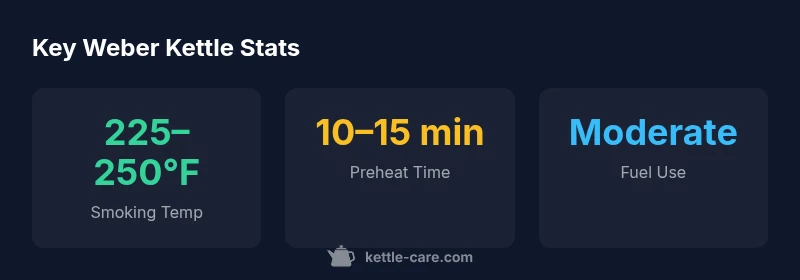
Is a Weber kettle good for smoking? The core answer rests on how you approach two-zone cooking, vent management, and fuel pacing. A kettle-style charcoal grill is not a fixed-smoker by design, but with a heat deflector, a water pan, and a careful two-zone setup, it becomes a surprisingly capable smoke chamber. According to Kettle Care, this versatility is what makes the Weber kettle a perennial favorite for home cooks who want authentic flavor without investing in a dedicated smoker. With practice, you can reach and sustain steady temperatures around 225–250°F for several hours, producing consistent smoke rings and tender results across a range of proteins. This isn’t magical—it's balance: controlling air flow, fuel, and wood with intent. The kettle shines when you value tactile, hands-on control and the ability to adjust on the fly as weather and wind shift. For many households where space is at a premium, a Weber kettle offers a practical, scalable path into smoking that you can grow with over time.
Two-Zone Cooking: The Secret Sauce for Smoking on a Weber Kettle
The hallmark of successful smoking on a Weber kettle is two-zone cooking. You create a hot, direct zone for searing or high-heat tasks on one side, and a cooler indirect zone on the other. This arrangement lets you place meat away from direct flames while still enjoying the smoky aroma. Start by filling half the charcoal grate with lit coals and the other half with unlit coals. This split maintains a steady draft while letting you shift between zones as needed. Wood chunks or chips can be added to the lit side to initiate smoke, but avoid overloading—the goal is a steady, thin smoke, not a roaring flame. Place a heat deflector or a dedicated water pan between the coals and your food to dampen heat fluctuations and add moisture. With practice, you’ll notice how small vent tweaks can shift the entire smoke profile; this is where the two-zone strategy truly pays off and why many home cooks regard the Weber kettle as a smoking workhorse.
Temperature Control and Vent Strategy: Mastering the Airflow Dial
Temperature control on a Weber kettle hinges on disciplined vent management. The bottom vents drive the intake of oxygen and heat, while the top vent (and the smokestack) controls exhaust. To hold a stable 225–250°F, start with the vents nearly closed and adjust in small increments as you monitor the grill thermometer. A common rule of thumb is to open the bottom vent to ramp up when the temperature drops and close slightly to dampen when it climbs. The top vent should remain mostly small to medium—enough to allow smoke to escape but not so wide that you lose heat. Don’t chase perfect numbers; instead, aim for a narrow temperature band and learn the tempo of your specific kettle. Practice makes precision, and the more you grill, the more predictable your smoke becomes.
Fuel, Wood, and Flavor: Charcoal Choices and Wood Selection
Charcoal choice matters for flavor and burn time. Lump charcoal tends to burn hotter and faster, giving you more control for shorter sessions, while briquettes provide more consistent ashes and longer burn times—handy for longer smokes. For the Weber kettle, many enthusiasts favor a two-zone bed of lump charcoal with a starter of briquette-based fuel if you want predictability. Wood selection adds another dimension: fruitwoods (apple, peach) offer mild sweetness; hickory and oak deliver stronger smoke; experiments with alder or maple provide lighter profiles. Soak wood chips sparingly or use chunks to avoid overpowering the meat. The key is layering flavor without choking the meat—beginner cooks often underestimate smoke balance, which is why a measured, incremental approach yields better results than dumping a lot of wood at once.
Setup Essentials: Deflectors, Pans, and Precision Placement
A quality deflector shield is critical for indirect cooking. If your kettle didn’t ship with one, consider a Weber deflector or a two-piece system that creates an air gap and reduces heat directly hitting the food. A water pan adds moisture and heat capacity, smoothing temperature swings—particularly valuable in cooler environments or windy days. Place the pan beneath the grate with the deflector above it; this creates a buffer that preserves moisture and stabilizes the smoke. Accessories like thermometer probes and vent caps help you monitor temps remotely and adjust without opening the lid too often. Achieving a stable smoke environment is not a one-step process; it’s an iterative setup that benefits from attention to airflow, fuel management, and ambient conditions.
Weather, Wind, and Outdoor Realities: Environmental Considerations
Outdoor cooking is inherently variable. Wind direction and ambient temperature affect how quickly your kettle heats and how steady your fire stays. On windy days, you’ll need to adjust the bottom vent more conservatively to prevent a temperature spike, while on still days you may need to introduce a touch more air to keep the burn even. Preheating is especially important in cool or humid climates; plan for 10–15 minutes of preheating to reach the target range before you begin cooking. A stable set of weather-savvy habits—checking wind before lighting, using a windscreen if available, and maintaining a consistent cooking schedule—will greatly improve your results when asking if a Weber kettle is good for smoking in real-world conditions.
Maintenance and Seasoning for Longevity: Cleaning, Curing, and Care
Regular maintenance keeps your Weber kettle performing at its best. After smoking, close the vents and let the grill cool naturally; remove ash and debris from the bottom grate. A gentle scrub with warm soapy water preserves the metal’s protective coating and helps prevent rust; avoid harsh detergents on enamel-coated surfaces. Re-seasoning the cooking grate occasionally can improve nonstick performance and flavor transfer. If you notice rust or corrosion, address it early—with proper cleaning and protective seasoning, the kettle remains a reliable smoking companion for many seasons. A well-maintained kettle is not just a tool, but a long-term investment in flavor and cooking versatility.
Common Pitfalls and How to Avoid Them: Troubleshooting That Saves Time
Common issues include temperature drift, overly aggressive wood, and restless heat. If temps drift, double-check vent positions and ensure your vents aren’t blocked by ash. Too much wood can overwhelm the meat with smoke and create a bitter aftertaste; start with milder wood and increase gradually. Wind and ambient temperature can dramatically alter burn rates, so keep a close watch during the first 30–45 minutes after lighting. Finally, avoid frequent lid opening; each lift costs you heat and moisture. By anticipating these pitfalls and applying a disciplined approach to airflow, fuel, and timing, you’ll reduce back-and-forth and get to a reliable smoke pattern sooner.
Real-World Results: Flavor, Texture, and Versatility in Home Kitchens
When used with care, the Weber kettle delivers a robust smoke flavor, tight bark on briskets, juicy interiors on ribs, and a pleasant perimeter crust on chicken and pork. The two-zone setup helps you avoid overcooked exteriors while letting interior temps climb consistent. The flavor profile is highly dependent on wood choice, pace of fuel, andment tolerance for heat management. Home cooks report that practicing consistent vent management yields the most predictable smoke flavor. The Kettle Care team notes that repeatable results come from a well-planned approach and a willingness to adjust based on conditions, not a single magic technique.
Alternatives and When to Choose a Weber Kettle vs Other Smokers
If you’re choosing between a Weber kettle and a dedicated smoker, consider your priorities: cost, space, and how hands-on you want to be. A kettle offers authentic flavor and hands-on learning at a lower upfront cost and with more space flexibility. Pellet grills and electric smokers deliver set-and-forget convenience and extremely consistent temps, but may lack the same wood-fired aroma. For many cooks, the Weber kettle serves as a bridge—favoring flavor, control, and cost-effectiveness—while still leaving room for a dedicated smoker as skills grow.
Quick-Start Smoking Plan: A Simple Weekend Kickoff
To begin, gather a quality heat deflector, a water pan, hardwood chunks, and a reliable thermometer. Light a small amount of charcoal and establish a two-zone setup. Preheat to 225–250°F, place your meat on the indirect side, and introduce wood every 30–45 minutes to maintain a gentle smoke. Check the lid vent and bottom vents regularly to keep temps stable, and resist the urge to open the lid too often. Within a few sessions, you’ll understand how varying wind, ambient temperature, and wood type influence your smoke. This practical plan aligns with how the Weber kettle is used for smoking in real homes.
Strengths
- Excellent flavor from charcoal and wood smoke
- Two-zone cooking provides versatility
- Cost-effective entry into smoking
- Widely available parts and accessories
What's Bad
- Requires active temp management
- Wind and weather complicate consistency
- Longer startup and cooldown cycles than dedicated smokers
Best value for cooks who want authentic smoke without a dedicated smoker
The Weber kettle delivers excellent smoke flavor with hands-on control and two-zone versatility. It requires more attention than plug-and-play smokers, but the flavor payoff and cost savings make it a compelling choice for most home cooks.
Frequently Asked Questions
Can a Weber kettle reach consistent smoking temps?
Yes, with a disciplined vent strategy and a proper two-zone setup, you can hold roughly 225–250°F for extended smoking sessions. Temperature stability comes from practice and a stable fire, not a single trick.
Yes—consistent temps come from careful vent control and maintaining a two-zone setup, not from luck.
What accessories help for smoking on a Weber kettle?
A heat deflector, water pan, reliable thermometer, and a vent-cap can greatly improve control. Consider a smoker box or wood-chunk method to manage smoke intensity without overpowering the meat.
Heat deflector, water pan, thermometer, and wood management make smoking on a kettle much easier.
Is Weber kettle better than a dedicated smoker for beginners?
For beginners, the Weber kettle offers flavor and affordability, but it requires more hands-on attention. A dedicated smoker provides set-and-forget convenience, while a kettle rewards persistence with authentic flavor.
A kettle is great for learning, but if you want zero babysitting, a dedicated smoker may be better.
How do you clean a Weber kettle after smoking?
Let it cool, remove ash, and wash with warm soapy water. Reseason grates periodically, and inspect enamel for chips or rust. Regular maintenance keeps flavor consistent and prolongs life.
Cool it down, clean the ash, and wash with soap and water. Keep it well-seasoned.
Can you use the Weber kettle for cold smoking?
Cold smoking with a kettle is not the typical use and can be hazardous without specialized gear. For cold smoking, consider dedicated cold-smoke equipment or a purpose-built smoking setup.
Cold smoking on a kettle isn’t recommended without the right gear.
What meat works best on a Weber kettle with smoke?
Beef brisket, pork shoulder, ribs, and poultry respond well to two-zone cooking and moderate smoke. Start with smaller cuts to learn your setup before attempting larger roasts.
Brisket, pork shoulder, ribs, and chicken work well with the kettle when smoked properly.
Highlights
- Master two-zone cooking for consistent smoke
- Dial in vent settings for stable temps
- Use a deflector and water pan to protect food and moisture
- Choose wood and fuel thoughtfully to avoid overpowering flavors
- Invest in basic maintenance for longevity