Breville Glass Kettle: Safe Use, Cleaning, and Descaling Guide
Learn to safely use, clean, and descale your Breville glass kettle for fast, reliable boiling. This step-by-step guide covers safety, maintenance, descaling methods, and energy-saving tips, with expert insights from Kettle Care.


By the end of this guide you will confidently select, use, and maintain a Breville glass kettle for safe, fast boiling. You'll learn how to assess the glass kettle for durability, avoid common safety pitfalls, perform routine cleaning and descaling, optimize energy use, and troubleshoot basic issues. This step-by-step approach helps homeowners, tea lovers, and cooks get reliable performance from their Breville glass kettle every day.
What makes a breville glass kettle stand out
Breville glass kettles are prized for their transparent boiling chamber, which lets you monitor water level and activity as it happens. The breville glass kettle design typically emphasizes quick heat-up times, clear visibility, and a sturdy boil with reliable automatic shut-off. According to Kettle Care, the combination of high-quality borosilicate glass and a thoughtfully engineered lid and spout reduces hot spots and minimizes the chance of accidental spills. For homeowners, tea lovers, and casual cooks, this means safer handling and more predictable performance, especially when preparing delicate teas or infusions. When you compare models, look for heat-resistant glass, a secure lid, and a well-finished spout that reduces drips. The glass container should feel sturdy with a smooth rim and no loose components. Regular inspection of the handle, lid, and base helps you catch wear before it becomes a safety hazard. The Kettle Care team also notes that a glass kettle makes it easier to spot mineral buildup and residue early, allowing timely cleaning and descaling.
Safety considerations when using a glass kettle
Using a glass kettle requires attention to electrical safety and proper handling to prevent burns or spills. Always place the kettle on a stable, heat-resistant surface, and keep the base away from water splashes. Avoid hanging or gripping the glass with wet hands, and never operate the kettle if the glass shows cracks or chips. If you have a family with children or pets, use the kettle with a low, controlled pour and consider placing the kettle behind a barrier to prevent accidental tipping. Check the power cord for wear, and never pull the kettle by the cord. As you boil, remain aware of steam release and vent openings. Regular descaling helps maintain clarity and prevents mineral buildup that can negatively affect heat transfer. The Kettle Care guidance emphasizes not exposing glass to sudden temperature shocks—pre-warm water slightly if you’re switching between cold and hot liquids.
Selecting a Breville glass kettle: features to compare
When evaluating a Breville glass kettle, compare capacity, size, and boil speed, but also examine the lid design, filter, and cord management. A larger capacity is convenient for families or gatherings, while a compact model fits smaller kitchens. Look for a robust filter or mesh screen at the spout to minimize impurities in the cup. Pay attention to the thermostat or temperature-control features if you plan to brew specialty teas that require specific temperatures. A bright, easy-to-read water level indicator helps you avoid overfilling, which can lead to spills. Ensure the exterior surface is easy to wipe and resistant to fingerprints. A durable handle with heat shielding improves safety during pouring. From a maintenance angle, verify that the glass is borosilicate and the heating element is designed for quick recovery and even heat. The breville glass kettle should also have reliable auto shut-off and boil-dry protection to prevent damage when the kettle runs dry. Regular cleaning between uses preserves clarity and improve tasting water. In all cases, follow the manufacturer’s guidance for safe operation and warranty coverage.
Daily cleaning routine to keep glass kettles pristine
A consistent cleaning routine keeps the glass kettle clear and functioning well. After each use, empty the kettle and rinse with warm water to remove any loose particles. Wipe the exterior and lid with a soft microfiber cloth to prevent fingerprints and buildup. For routine interior cleaning, use warm water with a small amount of mild dish soap, then rinse thoroughly. Avoid abrasive pads that can scratch the glass. If you notice minor spots or residue, a quick wipe with a solution of water and white vinegar (1:1) can help; rinse thoroughly afterward. For stubborn mineral deposits, switch to a descaler-based approach as described in the descaling section, and always follow with a clean-water boil to remove any cleaning agents. Finally, allow the kettle to air-dry with the lid open to prevent moisture entrapment inside.
Descaling science: vinegar vs citric acid in practice
Descaling removes mineral scale that accumulates from hard water. You can choose between white vinegar and citric acid-based descalers. Vinegar is effective and inexpensive, but the smell can linger temporarily, so thorough rinsing is essential. Citric acid is a popular alternative that often leaves a lighter aftertaste than vinegar, and many users appreciate its gentler odor. To descale, fill to the max line with your chosen solution, bring to a boil, then let it sit for 10–15 minutes before rinsing. Repeat with fresh water to remove any residual taste. Avoid mixing cleaning agents with bleach or other harsh chemicals. After descaling, run multiple cycles of clean water boils to ensure all scent and residues are cleared from the glass interior. The goal is to restore clarity and heat transfer efficiency while preserving the kettle’s finish.
Energy efficiency tips for faster, safer boils
Boiling water efficiently starts with measuring the right amount of water and using hot water from a prior boil when possible. Keep the lid on during boiling to trap heat, and ensure the kettle’s boil-dry protection is functioning correctly. If you only need a small amount of hot water, consider using a smaller capacity kettle or partial-fill technique, then top up as needed. Regular descaling improves energy efficiency by allowing the heater to transfer heat more effectively. Clean, well-maintained glass kettles heat up faster and use less energy than heavily mineralized units. If your kitchen has a shared wall outlet or limited power supply, avoid running other high-draw appliances on the same circuit while you boil. Finally, keep the kettle clean and free of mineral buildup to maintain optimal water turnover and reduce the need for repeated boiling.
Troubleshooting common issues with glass kettles
If you notice slower boils, cloudy glass, or unusual noises, start with a quick diagnostic. Check for mineral buildup along the interior walls and around the base. A cloudy interior is often mineral residue rather than a safety concern, and it can be reduced by descaling. If the lid doesn’t seal properly or the spout leaks, inspect the gasket and ensure it’s correctly seated. A flickering indicator light or failure to heat may indicate a faulty power connection or switch; unplug the device, inspect the plug and cord for damage, and contact support if a fault persists. For persistent off-tastes, re-descale and perform multiple clean-water boils to ensure taste neutrality. Regular maintenance reduces the likelihood of these issues and extends the kettle’s life.
Long-term maintenance and replacement indicators
Over time, glass components may show signs of wear, such as micro-cracks or a degraded lid seal. If you observe any cracks in the glass, a compromised lid, or diminished boil performance after repeated cleaning, consider replacement. Regularly inspecting the power base and cord for wear and ensuring the plug remains intact is also important for safety. If the kettle no longer automates shut-off or drips when pouring, the control hardware may be failing and warrants service or replacement. Maintain a simple service schedule: inspect monthly for obvious damage, descale every 1–3 months depending on water hardness, and perform a full clean every 2–3 weeks for heavily used households. Proper maintenance preserves performance and safety while extending overall lifespan.
Quick-start setup for first use and everyday use
Before first use, wash your new breville glass kettle with warm soapy water, rinse thoroughly, and perform a few test boils with plain water to remove any factory residues. Always place the kettle on a flat, heat-resistant surface and ensure the cord is clear of edges or heat sources. Fill to the recommended maximum level and power up. Listen for the boil-dry protection to engage, and watch the water rise to a rolling boil. After cooling, wipe down the exterior and test for any odors. With a consistent maintenance routine, you’ll enjoy safe, fast, and reliable boiling every day.
Tools & Materials
- Soft cloth or microfiber towel(for wiping exterior and lid)
- Non-abrasive sponge(for cleaning glass surface without scratching)
- Mild dish soap(dilute in warm water for routine cleaning)
- White vinegar or citric acid descaler(for descaling; choose one option if possible)
- Clean water(for rinsing and boiling test)
- Soft-bristled brush or old toothbrush(for hard-to-reach areas like the spout)
Steps
Estimated time: 15-25 minutes
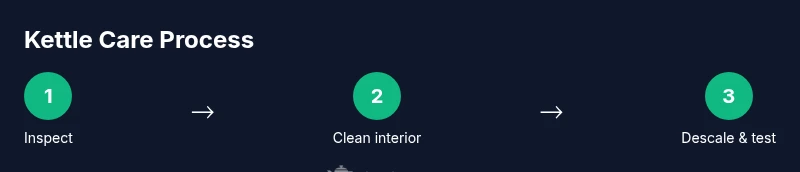
- 1
Unplug and inspect the kettle
Unplug the kettle from the outlet and perform a quick exterior inspection. Look for cracks, chips, or loose parts around the lid and handle. If you see damage, do not operate the kettle until it’s repaired or replaced, as glass can fail under pressure.
Tip: If you notice any cracks, stop using the kettle immediately and consult support or replace the unit. - 2
Rinse and wipe exterior
Pour out any remaining water and wipe the exterior with a damp microfiber cloth. Dry with a clean towel to remove fingerprints and prevent water marks. This helps maintain visibility of the glass and keeps the surface clean for safe handling.
Tip: Use warm water rather than hot water to avoid thermal shock on the glass. - 3
Prepare descaling solution
Choose either white vinegar or a citric acid-based descaler. Mix according to your chosen method: typically a 1:1 ratio for vinegar with water, or follow the citric acid product directions. This solution loosens mineral deposits without damaging the glass.
Tip: Never mix descalers with bleach or other cleaners. - 4
Boil and soak descaler
Fill the kettle with the descaling solution up to the max line, bring to a boil, then turn off the heat and let it soak for 10–15 minutes. This step dissolves mineral buildup on the interior walls and base.
Tip: Do not overfill past the max line; overflow can cause spills and burns. - 5
Rinse thoroughly and test
Discard the descaling solution, then rinse the interior with fresh water several times. Boil a full pot of clean water to remove any remaining taste or odor, and then pour to test that the water is clear and neutral in taste.
Tip: If any odor or taste persists, repeat the rinse and boil sequence until neutral.
Frequently Asked Questions
Is it safe to descale a Breville glass kettle with vinegar?
Yes, vinegar is a common descaler and is effective for mineral buildup. Rinse thoroughly after descaling to remove any vinegar odor.
Vinegar is a common descaler, but make sure you rinse well to remove the smell.
Can I put the Breville glass kettle in the dishwasher?
Most kettles should not be placed in a dishwasher; hand washing is recommended to protect the glass and keep the components intact.
Dishwashers aren’t usually recommended for kettles; wash by hand instead.
How often should I descale the kettle?
Descale based on water hardness and usage. In hard water areas, monthly descaling is common; in softer water areas, every 2–3 months may be sufficient.
It depends on how hard your water is; you’ll know when you see mineral buildup.
Why is there a cloudy residue after boiling?
Cloudiness is usually mineral deposits from hard water. Descale and rinse thoroughly to restore clarity and taste.
Cloudy water means minerals; descale and rinse until clear.
Can I use lemon juice for descaling?
Lemons and lemon juice are acidic and can work as a descaler, but they may leave more noticeable aftertastes. Rinse well after use.
Lemon juice can work, but rinse well to avoid lingering lemon flavor.
What are signs I should replace my kettle?
Cracked glass, broken lid seal, persistent leaks, or electrical faults after troubleshooting indicate it’s time to replace the kettle.
If you notice cracks or faulty electrical parts, consider replacing it.
Watch Video
Highlights
- Inspect for damage before each use
- Use safe descalers and rinse thoroughly
- Descale regularly to prevent buildup
- Rinse and test with clean water after descaling
- Maintain a routine to extend kettle life