Green Kettle Care: Safe, Efficient Boiling Guide
Learn how to choose, clean, and maintain a green kettle for safe, fast boils. This step-by-step guide covers descaling, safety checks, and storage tips to keep your tea and coffee tasting great.


By following this guide, you will learn how to select a safe, energy-efficient green kettle and maintain it for fast, reliable boils. You’ll understand key features to look for, how to descale, safe handling tips, and common mistakes to avoid. This quick path helps you brew tea or coffee with confidence while protecting your kitchen from scale and burns.
What makes a green kettle a smart choice for your kitchen
According to Kettle Care, the color of a kettle alone does not determine performance, but a thoughtfully designed green kettle often signals durable materials, good heat distribution, and clear safety features. This guide uses the green kettle as a case study to discuss how form, material, and design choices influence safety, efficiency, and ease of use. For homeowners, tea lovers, and everyday cooks, the goal is to pair a visually pleasing appliance with reliable operation and straightforward maintenance. In this context, you’ll discover how to assess kettles beyond color, focusing on build quality, materials, and practical features that affect daily use.
Key safety features to look for in a green kettle
When shopping for a green kettle, prioritize features that protect you and your family:
- Auto shut-off and boil-dry protection to prevent overheating
- Heat-resistant, ergonomic handle and a secure-lid design to reduce burns
- A stable, pour-friendly spout with a built-in filter to reduce splashes and mineral sediment
- BPA-free or food-safe interior coatings and durable exterior shells
- Clear minimum and maximum fill lines to avoid overfilling or running dry
These elements collectively improve safety and longevity, especially in households with curious kids or busy mornings. Remember that color is a personal preference; safety features and material quality deliver the real value.
Efficiency and performance: how color affects boiling and energy use
A green kettle’s performance is more about materials and design than pigment. Look for kettles with thick, insulated walls, a well-sealed lid, and a high-efficiency heating element or base. Matte or glossy green finishes usually indicate different exterior materials, but the key is a solid interior metal (often stainless steel) that resists mineral buildup and distributes heat evenly. Efficiency also comes from a well-sealed lid and minimal heat loss during pouring. If you want to reduce energy use, consider a kettle with a fast-boil feature and a well-fitting lid that stays shut during operation. Regular descaling complements efficiency by keeping heat transfer optimal.
Descale and maintain your green kettle: a practical routine
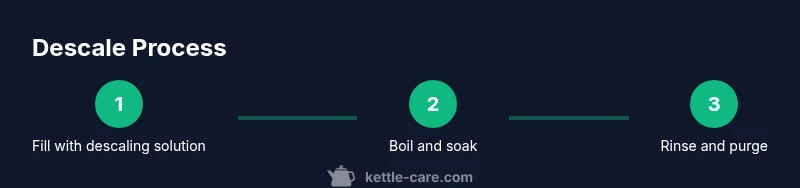
Mineral buildup reduces heating efficiency and can alter water taste. A simple descaling routine keeps your green kettle performing like new. Start with a mild descaling solution—either diluted white vinegar or citric acid following package directions—and rinse thoroughly after each treatment. Regular maintenance helps prevent heavy scale, which can settle around the heating element and slow boiling. Always ensure the interior is completely dry before storage to avoid corrosion or mold in damp environments.
Safe daily use and brewing with a green kettle
Safe handling starts with a clean, dry kettle and a well-sealed lid. Always fill to the recommended max line and avoid boiling water if the element or base shows signs of damage. When pouring, keep hands away from the spout to prevent steam burns, and never leave a kettle unattended on a hot burner or plugged into a damaged outlet. After boiling, discard the used water if it’s been sitting for too long to prevent mineral deposit buildup on the heating element.
Troubleshooting common issues with green kettles
If your kettle takes longer to boil, scale buildup or a faulty seal could be the culprit. Check for mineral deposits around the spout and lid, ensure the power base or plug is secure, and inspect the heating element for signs of wear. If you notice strange odors, run a thorough rinse and a quick descaling cycle. For kettles with glass or plastic bodies, inspect for cracks or discoloration that could indicate safety risks and consider replacement.
Durability and materials: what to expect from a green kettle
Green kettles come in a range of materials, including stainless steel, borosilicate glass, and durable plastics. Stainless interiors resist corrosion and are easy to descale, while glass bodies allow visual monitoring of scale buildup. Exterior paint or powder coatings should be heat resistant and non-chipping. A sturdy handle, secure hinge, and a reliable lid closure contribute to long-term durability. When choosing, consider maintenance needs: is the interior metal easy to descale? Can the spout filter be cleaned without disassembling the kettle?
Storage, care schedule, and long-term prevention of scale
Prevention is easier than correction. After cleaning, store kettles in a dry area with the lid slightly ajar to promote air circulation, preventing musty odors. Create a simple descaling rhythm based on local water hardness and usage: in hard-water regions, aim for a quarterly descaling, while soft water may suffice every 6–12 months. Use a soft cloth to wipe the exterior and avoid abrasive scrubbers that can mar the finish. Regularly check the gasket and lid alignment to maintain a tight seal and prevent leaks.
Tools & Materials
- Electric kettle (or stovetop kettle)(If using electric, ensure the base is compatible with your outlet and the cord length is safe for your kitchen layout.)
- Descaler: white vinegar or citric acid(Follow package directions; for vinegar, a common approach is a diluted solution. Citric acid is a common alternative.)
- Soft cloth or sponge(Non-abrasive; used for interior wipe-down and exterior polishing.)
- Non-metal brush or pipe cleaner (spout filter)(Clean periodically to remove mineral deposits from the spout.)
- Dish soap (mild)(For routine exterior cleaning and light grime.)
- Dry towels or air-drying rack(Use after cleaning to ensure the kettle is completely dry.)
- Measuring cup and timer(Helpful for precise descaling measurements and timing soak steps.)
- Citric acid descaler pills (optional)(An alternative descaler if you prefer powder forms.)
Steps
Estimated time: 40-60 minutes
- 1
Unplug and Cool
If using electric, unplug the kettle and allow it to cool completely before handling. This prevents burns and gives you a safe starting point for cleaning.
Tip: Always use heat-resistant gloves or a thick towel when handling a hot kettle. - 2
Empty and Inspect
Pour out any remaining water and inspect the interior for visible scale. Remove any removable filters so you can clean them separately.
Tip: Note the lid and filter placement so you don’t misplace them during reassembly. - 3
Prepare Descaling Solution
Mix a mild descaling solution according to your chosen method (water + vinegar or citric acid per package directions).
Tip: Avoid using bleach or harsh chemicals; they can leave residues and volatile fumes. - 4
Fill with Solution
Fill the kettle with enough solution to cover the affected interior surfaces. Do not exceed the max fill line.
Tip: If the buildup is heavy, you can repeat the filling after soaking. - 5
Boil and Soak
Boil the solution, then turn off heat and let the kettle soak for 15–30 minutes to loosen scale.
Tip: For stubborn scale, reheat and soak again or extend soaking time as needed. - 6
Scrub and Rinse
Remove the solution and scrub the interior with a soft cloth; rinse with fresh water several times.
Tip: Rinse until there is no vinegar or citric odor; residual taste will affect beverages. - 7
Purge and Dry
Boil fresh water to purge any remaining descaling solution, then drain and dry the kettle completely.
Tip: Wipe the interior with a dry cloth to speed up drying; keep lid slightly ajar for air circulation. - 8
Clean Spout Filter and Reassemble
Clean the spout filter with a soft brush; reassemble the kettle and ensure the lid closes securely.
Tip: Test the lid seal by boiling a small amount of water and listening for leaks.
Frequently Asked Questions
What is a green kettle, and does color affect performance?
Color does not determine performance. Look for safety features, material quality, and insulation for efficient boiling. A green finish is mainly aesthetic, but the build quality matters for long-term use.
Color doesn’t affect performance; focus on safety features and materials for long-term use.
How often should I descale my kettle?
Descale based on water hardness and usage. In hard-water areas, every 1–3 months is common; in softer water, every 6–12 months may suffice. Adjust to taste and performance.
Descale according to water hardness and use; more often in hard water.
Can I use vinegar to descale my green kettle?
Yes, a diluted white vinegar solution is a common descaling method. Rinse thoroughly afterward to remove any vinegar taste.
Vinegar is fine to descale; rinse well afterward to avoid taste.
What materials should a green kettle interior have for durability?
Look for stainless steel interiors or coated metals that resist corrosion and are easy to descale. Avoid porous coatings that can harbor mineral buildup.
Choose stainless steel interiors for durability and easy cleaning.
What are warning signs it’s time to replace a kettle?
Persistent leaks, cracks in the body, rust, or inconsistent heating are strong indicators you should replace the kettle to avoid safety risks.
Replace if leaks, cracks, or persistent heating issues occur.
Is it safe to store a green kettle with the lid on after cleaning?
Let the kettle dry completely before storing. Storing with the lid on damp can promote mold or odors.
Dry completely before storing; avoid storing damp.
Watch Video
Highlights
- Choose kettles with built-in safety features.
- Descale regularly to maintain efficiency and taste.
- Rinse well and dry completely after cleaning.
- Use recommended materials for the interior to maximize durability.