Kettle Tea Kettle Care for Safe, Efficient Boiling
Learn safe kettle tea kettle care with step-by-step cleaning, descaling, and maintenance tips to boost boil speed and extend kettle life.


By following this guide, you will safely choose, clean, and maintain a kettle tea kettle for faster boiling and longer life. Learn how to pick the right kettle, descale mineral buildup, and establish a simple daily care routine. Use practical, step-by-step practices to boost efficiency, safety, and the joy of tea at home.
Why Kettle Care Matters
Mineral buildup, heat exposure, and improper cleaning can reduce boil speed, waste energy, and shorten a kettle’s life. According to Kettle Care, mineral buildup is a common cause of slower boils and uneven heating, especially in hard-water households. Regular care keeps water tasting clean and minimizes the risk of scorching on the interior. The Kettle Care team also notes that even small amounts of scale can act as insulation, forcing the element to work harder and consume more electricity. For households that rely on tea daily, a well-maintained kettle delivers consistent performance and lower energy bills over time. Safety is another reason to keep up with maintenance: cracked lids, loose handles, or corroded surfaces can pose hazards, especially when boiling hot water is involved. By establishing a simple routine—weekly light cleaning, monthly descaling, and careful handling—you protect your investment and improve the overall tea experience. In this guide, we’ll walk through practical checks, material considerations, and simple experiments you can perform at home to verify your kettle is operating safely. Prevention beats repair, and a little care now saves bigger problems later.
Choosing the Right Kettle for Safety and Performance
The market offers electric kettles and stovetop kettles, each with distinct pros and cons. Electric kettles heat quickly and shut off automatically, reducing dry-boil risk. Stovetop kettles tend to be more durable and can retain flavor, but require careful attention to avoid scorching or overboiling. Material matters: stainless steel resists staining and is easy to descale; glass kettles let you see scale, which helps cleaning, but can show stains more readily. Avoid plastics that may impart flavors or hold heat poorly; if you choose plastic, ensure BPA-free and heat-safe. A good kettle should have a secure lid, a well-sealed spout, and a reliable auto shut-off or whistling feature. When selecting, consider your stove type, kitchen space, and typical tea routines. Regular maintenance matters as much as the initial purchase: a kettle made from high-quality steel or borosilicate glass is usually easier to descale and less prone to cracking under heat. The goal is safe operation, quick boil times, and consistent water temperature for your favorite teas.
Cleaning and Descaling Basics
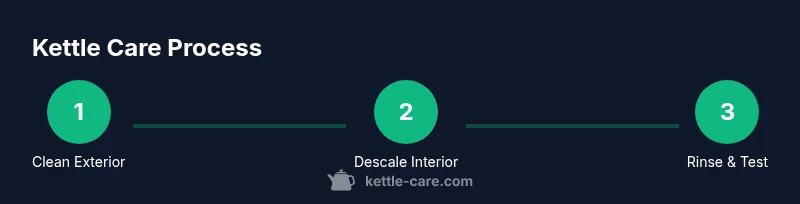
Cleaning a kettle is about removing surface grime, fingerprints, and mineral residue. Descaling targets mineral buildup that hard water creates inside the boiler and element. For most households, a lightweight weekly wipe-down plus a monthly descaling routine keeps performance stable. If your water is hard, you may need to descale more often. Always unplug electric kettles before cleaning and allow the kettle to cool completely. After descaling, rinse thoroughly to prevent any lingering tastes. In practice, establish a routine: quick exterior wipe daily, light interior rinse weekly, and a full descaling every 4–8 weeks depending on water hardness. The goal is to keep the interior free of scale while preserving the exterior finish. A well-maintained kettle boils faster, uses less energy, and produces more consistent water temperature for tea.
Descale Methods: Vinegar, Citric Acid, and Alternatives
Descaling can be done with household descalers like white vinegar, citric acid, or baking soda solutions. Vinegar is effective but may leave a lingering odor that requires thorough rinsing. Citric acid is a pleasant, odor-free alternative. When using vinegar or citric acid, always follow with multiple rinses to remove any taste from the kettle. For a milder approach, some households use a lemon-based solution, but ensure there is enough acidity to soften mineral deposits. For those avoiding acids, there are descaling products designed for kettles. Regardless of method, never mix descalers with bleach or other cleaners. If your kettle has a glass interior, use a non-abrasive cloth to wipe the interior after soaking to avoid scratching. After descaling, boil fresh water to verify performance and remove any residual cleaning agents.
Boiling Efficiency and Safety Tips
Efficient boiling saves energy and time. Fill the kettle to the recommended level and avoid overfilling, which can spill and waste energy. Pre-warming with warm water reduces total boil time on older kettles. Keep the lid closed during boiling to retain heat and minimize steam exposure. Use filtered or softened water if your area has heavy mineral content, as this reduces scale buildup over time. Regularly inspect the lid, handle, and power base for signs of wear or looseness. Always unplug and cool the kettle before cleaning and never immerse an electric base in water. A well-maintained kettle not only boils faster but also lasts longer and delivers consistent tea temperatures.
Troubleshooting Common Issues
Problems like slow boils, unusual noises, or leaks usually indicate scale buildup, a damaged seal, or heating element wear. If your kettle doesn’t switch off automatically, unplug it immediately and discontinue use until checked. A humming or whistling sound can signal scale or trapped air. Exterior corrosion or loose lids warrant inspection and potentially a replacement. For stubborn deposits, repeat the descaling process with a fresh solution rather than attempting aggressive scrubbing. When in doubt, consult the manufacturer’s guidelines or contact support. Regular care minimizes most of these issues and keeps your kettle performing reliably.
Maintenance Routine for Daily Use
Create a simple weekly and monthly schedule to keep your kettle performing at its best. Weekly: wipe exterior, rinse interior, and check the lid operation. Monthly: run a descaling cycle if you notice slower boils or mineral trails. After any descaling, rinse with several cycles of clean water and, if possible, boil fresh water a few times to remove any cleaning agents. Keeping a small maintenance calendar can help you stay consistent and avoid neglect. A routine that fits your tea-drinking pace will minimize surprises and extend the life of your appliance.
Tools & Materials
- White vinegar (5–8% acidity)(Use undiluted or diluted 1:1 with water as needed)
- Water(Fresh, cold water for rinsing)
- Citric acid powder(Alternative descaler (1–2 tablespoons per liter))
- Baking soda(Only for exterior cleaning, not inside kettle)
- Soft cloth(Lint-free for wiping exterior)
- Non-abrasive sponge(Gentle interior scrubbing)
- Dish soap (mild)(For exterior grime)
- Gloves(Protect hands from hot water)
Steps
Estimated time: 30-45 minutes
- 1
Power down and cool
Unplug the kettle and allow it to cool completely before cleaning. For stovetop kettles, remove from heat and let it cool to avoid burns. Do not immerse electric components in water.
Tip: Always handle hot surfaces with dry hands and use gloves if you’re sensitive to heat. - 2
Prepare the descaling solution
Choose your method: mix 1:1 water and white vinegar, or dissolve 1–2 tablespoons citric acid per liter of water. The solution should cover the scale inside the kettle when filled.
Tip: Citric acid is often scent-free and gentler on finishes than vinegar. - 3
Fill and soak
Pour the solution into the kettle until scale is covered. For stubborn buildup, let it soak for 15–30 minutes to soften deposits.
Tip: Do not boil while using a lemon-based solution if the manufacturer warns against acidity. - 4
Boil and scrub
Boil the solution, then turn off heat and let it sit briefly. Use a non-abrasive sponge to gently scrub the interior surfaces where scale clings.
Tip: Never use metal scrubbers on glass or coated interiors. - 5
Rinse thoroughly
Rinse with fresh water several times until no cleaning scent remains. For electric kettles, run 2–3 full cycles of clean water to clear traces of the descaler.
Tip: After descaling, boil fresh water to eliminate any remaining odor. - 6
Test and finish
Boil a small amount of water and discard. If the water tastes clean, the kettle is ready. Wipe the exterior and dry completely.
Tip: Keep the base dry to avoid electrical shorting on electric models.
Frequently Asked Questions
What is the best method to descale a kettle?
The best method depends on your water and preference. Vinegar is effective but may require thorough rinsing. Citric acid is odor-free and gentle. Always rinse until the water tastes neutral after descaling.
Use vinegar or citric acid to descale, then rinse thoroughly until the water tastes neutral.
Can I use lemon juice to descale a kettle?
Lemon juice can be used as a mild descaler, but it may leave a citrus scent. Ensure it’s thoroughly rinsed and avoid overusing it on certain coatings.
Lemon juice can work, but rinse well to remove any scent.
Is descaling necessary for every use?
Descaling is not required after every use, but regular descaling—based on water hardness and kettle age—helps maintain performance and longevity.
Descale as needed based on mineral buildup; not every use is required.
Are plastic kettles safe for descaling?
Many plastic kettles are safety-tested, but plastics can retain flavors and stain. Prefer metal or glass if you descale frequently, and ensure BPA-free plastics.
Plastic kettles can be safe, but check material and BPA-free labeling.
How often should I descale my kettle?
Descale frequency depends on water hardness and usage. Hard water may require every 1–2 months; softer water less often.
Hard water means more frequent descaling; follow your kettle’s scale level and taste tests.
Watch Video
Highlights
- Regular descaling preserves boil speed and energy efficiency.
- Choose a kettle with safe features and easy-to-clean surfaces.
- Use safe descaling methods and rinse thoroughly.
- Establish a simple maintenance routine to extend life.