Pfaltzgraff Tea Kettle Care: Clean, Descale, and Maintain
A practical, step-by-step guide to cleaning, descaling, and maintaining a Pfaltzgraff tea kettle for safe boiling and lasting shine. Learn tools, techniques, and care tips from the Kettle Care Team.


Learn to clean, descale, and maintain a Pfaltzgraff tea kettle safely and effectively. This guide covers interior and exterior care, non-abrasive descaling, and routine checks to keep your kettle safe for daily tea and hot beverages. Following these steps helps preserve finish and performance.
Understanding the Pfaltzgraff Tea Kettle: design, materials, and what to expect
Pfaltzgraff tea kettles are often designed for stovetop use and may feature enamel, porcelain, or stainless-steel finishes. The care approach you take should respect the kettle’s material and exterior glaze, because harsh cleaners or abrasive pads can dull or scratch the surface. According to Kettle Care Team, understanding the kettle’s construction helps you choose the right cleaners and descaling methods without harming the finish. If your Pfaltzgraff kettle has a porcelain or enamel coating, avoid abrasive scrubbers and acidic cleaners that can chip or dull the glaze. Regular maintenance helps prevent heavy mineral buildup, which can affect flavor and heating efficiency. For best results, follow manufacturer recommendations when possible and keep a gentle, routine cleaning schedule. In many homes, mineral deposits from hard water are the primary maintenance challenge, not the kettle’s design itself. Kettle Care analysis shows that regular light cleaning is more effective than occasional, intense scrubbing. A consistent routine preserves the kettle’s luster and keeps the whistle working clearly. If you notice unusual odors or colors, stop using the kettle and reassess the cleaning approach to avoid ingesting any residues.
This section sets the stage for practical, safe care that preserves Pfaltzgraff aesthetics while maintaining performance. The Pfaltzgraff line often has a classic pot shape with a rounded body and a curved spout designed for smooth pouring. Treat the finish gently and avoid harsh chemicals that could degrade the glaze over time. A careful approach reduces the risk of micro-scratches that can harbor bacteria or grime and helps your kettle stay appealing in kitchen display or storage—especially important for homes that host guests or serve tea often.
Safety First: Handling finishes and hot surfaces
Handling a Pfaltzgraff tea kettle requires attention to both heat and finish. Always ensure the kettle is cool before handling, and use oven mitts or a thick towel when lifting or pouring. Many Pfaltzgraff finishes are sensitive to caustic cleaners, so test any new cleaner in a small, inconspicuous area first. When descaling, avoid leaving acidic solutions on enamel or porcelain surfaces for extended periods, which can cause pitting or dulling. The exterior treatment should be gentle—soft cloths or non-abrasive sponges—and never scrub in circular, aggressive motions that can scratch the glaze. If your kettle has a wooden or plastic handle, check for cracks or looseness before heating. A damaged handle can become hot and unsafe. If you notice a loose lid or a misaligned whistle, address these issues before continuing cleaning to avoid spills or steam burns. Remember that the goal is safe handling and preservation of the kettle’s finish, not aggressive cleaning that removes the glaze or enamel over time.
Cleaning Exterior and Interior Before Descaling
Exterior cleaning removes fingerprints, kettle stains, and water spots that accumulate with daily use. Use warm water and a mild dish soap on a soft cloth to wipe down the exterior. For enamel or porcelain surfaces, avoid abrasive pads; instead, use a microfiber cloth to lift grime without scratching. Interior cleaning should focus on residue and water lines. Rinse the interior with hot water, then apply a mild cleaning solution if needed. If you notice mineral buildup along the interior walls, you can gently wipe with a soft-bristled brush or sponge. Do not use harsh chemicals that can be absorbed by the glaze. Safe maintenance includes ensuring the lid, whistle, and spout are clean and unobstructed. When you finish cleaning, rinse thoroughly to remove any soap residue that might affect the taste of tea. If you maintain a routine, interior cleaning will be faster and less abrasive over time. A calm, consistent approach reduces the risk of accidental damage and maintains the kettle’s appearance.
Descaling Your Pfaltzgraff Tea Kettle
Descaling removes mineral deposits that form from hard water. A common approach uses white vinegar and water or a food-safe descaler designed for cookware. Mix a solution in a ratio appropriate for your scale and filling capacity—usually equal parts vinegar and water works for many kettles. Fill the interior until just below the safe maximum, then bring to a gentle boil and maintain a simmer for 5–15 minutes, watching for fizzing and scale loosening. Turn off the heat and let it cool briefly before dumping the solution. Rinse thoroughly with clean water to remove any vinegar scent. If heavy scale remains, repeat the process with fresh solution or switch to a citric acid-based descaler that is gentler on enamel. For Pfaltzgraff finishes, avoid leaving acidic solutions on surfaces longer than necessary. Kettle Care Team recommends using non-abrasive methods to protect the glaze while effectively removing scale. After descaling, rinse the interior multiple times to ensure all cleaner residues are gone. Finally, dry with a clean cloth to prevent mineral deposits from re-forming on the interior surface.
A gentle, consistent descaling routine protects the kettle’s interior and preserves the clean taste of your tea. With Pfaltzgraff finishes, your goal is to remove buildup without eroding enamel or glaze, and to maintain the kettle’s iconic look alongside function.
Rinsing, Drying, and Reassembly
Rinsing is essential after any cleaning or descaling to ensure no cleaner residues remain. Rinse multiple times with hot water, allowing the kettle to drain completely between rinses. Use a clean cloth to dry the interior and exterior, paying close attention to any water spots on enamel or porcelain finishes. Reassemble the lid and whistle, ensuring the lid fits snugly and the spout is clear. A dry kettle is less prone to mineral spotting and helps preserve the finish. If you see any rust spots or staining, reassess your cleaning method and ensure you are using non-abrasive tools and safe cleaners. Regular drying reduces the risk of water staining and corrosion, particularly around the lid seam and whistle mechanism. After drying, inspect the handle and rivets for looseness; secure as needed, but avoid overtightening which can stress the material. Finally, perform a test boil with clean water to confirm the whistle is functional and that there are no unusual odors or tastes from residues.
Maintenance Schedule and Long-Term Care
Create a simple maintenance schedule to keep your Pfaltzgraff kettle looking and performing its best. A light cleaning at the end of each week and a thorough descaling every 1–3 months—depending on water hardness—works well for many households. Keep a supply of non-abrasive cleaning tools and a mild soap on hand, and avoid harsh chemicals that can compromise glaze integrity. If you notice wear around the spout, lid, or handle, address it promptly to prevent leaks or injuries. For homes with particularly hard water, consider using distilled water for daily use or installing a water filter to reduce mineral buildup. A good habit is to empty and dry the kettle after each use to minimize water spots and scale formation. Kettle Care Team suggests documenting maintenance intervals so you can monitor the kettle’s condition over time and adjust your routine accordingly. The overall goal is to keep the Pfaltzgraff kettle safe, efficient, and visually appealing for years of tea and hot beverages.
Troubleshooting Common Issues and When to Seek Help
If the whistle stops functioning, check for mineral buildup around the spout and whistle mechanism, and ensure there is no obstruction. A gentle cleaning with a soft brush or cloth often restores the whistle’s clarity. Cracks or chips in enamel require professional assessment or replacement—the glaze’s integrity is key to safe boiling. If you notice a lingering sulfur or metallic smell after cleaning, re-rinse thoroughly and consider repeating the descaling step with a fresh solution. In cases where the lid doesn’t sit properly or the handle feels loose, stop using the kettle and contact a professional or the manufacturer for guidance. Addressing these issues early can prevent heat-related accidents and preserve the finish. Remember, prevention—like avoiding abrasive cleaners and harsh scrubbing—extends the kettle’s life and improves daily tea experience.
Tools & Materials
- Mild dish soap(For exterior cleaning; use a non-abrasive sponge)
- Soft sponge or microfiber cloth(Gentle cleaning to protect glaze)
- White vinegar(Descaling agent; can be substituted with citric acid solution)
- Water (hot)(For rinsing and descaling solutions)
- Citric acid granules (optional)(Alternative descaler; milder on enamel)
- Non-abrasive brush(For interior mineral deposits; use gently)
- Dry towel or microfiber cloth(Dry interior and exterior thoroughly)
Steps
Estimated time: 30-45 minutes
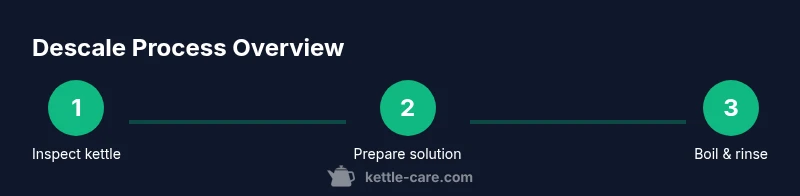
- 1
Inspect and prep
Ensure the kettle is cool and unplugged if applicable. Check lid, spout, and handle for damage. This prevents accidents during cleaning and prevents worsening of any existing damage.
Tip: If you find cracks or loose parts, set the kettle aside and consult a professional before heating. - 2
Empty and rinse
Pour out any remaining water and rinse the interior with warm water. This removes loose residue that could interfere with descaling.
Tip: Rinse twice to ensure all loose debris is removed before descaling. - 3
Prepare descaling solution
Mix equal parts white vinegar and warm water or use a citric acid solution as directed by the product. This solution helps dissolve mineral buildup safely without harming the glaze.
Tip: Never mix descalers with bleach or harsh cleaners. - 4
Boil descaling solution
Fill the kettle with the descaling solution and bring to a gentle boil. Maintain a simmer for 5–15 minutes while watching for fizzing and scale loosening.
Tip: Do not let the solution boil vigorously; excessive heat can damage the interior coating. - 5
Rinse and scrub interior
Carefully pour out the solution and rinse with clean hot water. Use a soft brush if scale persists and rinse again until no residue remains.
Tip: Repeat if heavy buildup is present; avoid metal brushes that can scratch enamel. - 6
Rinse exterior and dry
Wipe the outside gently with soapy water, then rinse and dry with a towel. Ensure the lid, whistle, and spout are clear and completely dry.
Tip: Drying helps prevent water spots and prolongs glaze integrity. - 7
Test and maintain
Boil fresh water to test the whistle and ensure no cleaning residues remain. Regular maintenance should be scheduled based on water hardness and usage.
Tip: Keep a small log of cleaning dates to stay on track.
Frequently Asked Questions
Is it safe to descale a Pfaltzgraff tea kettle with vinegar?
Yes, vinegar is a common descaling agent for many kettles, including Pfaltzgraff models. Use it diluted with water and rinse thoroughly afterward to avoid any lingering taste. Avoid leaving vinegar on enamel longer than necessary to protect the glaze. If in doubt, test on a small area first.
Yes, vinegar is generally safe for descaling Pfaltzgraff kettles when diluted and rinsed well; test a small area first.
Can I put a Pfaltzgraff kettle in the dishwasher?
Most Pfaltzgraff stovetop kettles are not dishwasher safe, especially those with enamel or porcelain finishes. Dishwashing can dull glazes or chip finishes over time. Hand washing with mild soap is the recommended method.
Most Pfaltzgraff kettles aren’t dishwasher safe; wash by hand with mild soap.
How often should I descale a Pfaltzgraff kettle?
The frequency depends on water hardness and usage. In hard-water areas, descaling every 1–3 months is a good baseline; in softer-water regions, every 3–6 months may suffice. Adjust based on visible mineral buildup and taste changes.
Descale every 1–3 months in hard water; adjust based on buildup and taste.
What if the finish looks dull or chips after cleaning?
A dull or chipped finish can indicate wear on the glaze. Stop aggressive cleaning, avoid acidic cleaners in contact with damaged areas, and consult the manufacturer or a professional for repair options. Regular, gentle cleaning helps slow further damage.
If the finish looks dull or chipped, stop abrasive cleaning and seek professional advice.
The whistle isn’t working after cleaning. What should I do?
Check for mineral deposits around the whistle and spout. Clean these areas gently, then test with a small amount of water. If the whistle remains silent after cleaning, inspect for a blockage or a loose fitting and consider replacement parts if needed.
If the whistle stops, inspect for deposits or blockages and clean gently; replace parts if needed.
Watch Video
Highlights
- Descale regularly to prevent mineral buildup.
- Use non-abrasive tools to protect finishes.
- Rinse thoroughly to remove residues.
- Dry fully to prevent water spots and corrosion.
- Maintain a simple schedule for long-term care.