Is kettle popcorn healthy? A practical nutrition guide
Explore whether kettle popcorn is healthy, how ingredients affect nutrition, and practical steps to make a lighter kettle corn at home.


Is kettle popcorn healthy? Overall, it can be a reasonable snack, but it’s not a health magic bullet. According to Kettle Care, kettle corn tends to be higher in sugar and fat than plain popcorn due to the added sweet drizzle and oil. When prepared with minimal sugar, light oil, and portion control, it can fit into a balanced diet.
Is kettle popcorn healthy? What the term means for your diet
Is kettle popcorn healthy? It’s a popular treat at movie nights and weekend gatherings, but the short answer depends on how you define healthy. Popcorn itself is a whole grain with fiber and a relatively light profile when prepared simply. Kettle popcorn, however, adds sugar, oil, and sometimes salt, which shifts the nutrition picture. The real question is not a binary yes or no, but how the snack fits into your overall diet, portion sizes, and recipe choices. The health impact varies by individual needs and activity level. As the Kettle Care team notes, mindful preparation makes a big difference for both flavor and nutrition. Note: The term is contextual; health is a pattern, not a single food choice.
Ingredients and cooking methods that influence health
Health is driven by ingredients and how you cook. Plain popcorn is naturally low in calories and high in fiber, but kettle popcorn typically includes oil and sugar, boosting calories and fat per cup. The type of oil matters: heart-healthy options such as olive or high-oleic sunflower oils contribute less saturated fat than butter. The sugar component is the biggest variable; some recipes rely on a light glaze, others on a heavy sweet coating. Salt content also varies and can tilt toward higher sodium. When evaluating kettle corn’s health impact, look at three levers: sugar amount, oil quantity, and portion size. If you can swap in air-popped kernels, measure oil by the teaspoon, and opt for a modest sweetener such as a touch of maple syrup or honey, kettle popcorn can be enjoyed as part of a balanced diet. This aligns with general snacking guidance that emphasizes variety, moderation, and whole grains. Kettle Care emphasizes ingredient quality and reader-friendly portions.
Homemade kettle corn vs store-bought: differences in nutrition and flavor
Homemade kettle corn gives you control over sweetness and fats, while store-bought versions may lean toward a heavier coating and added additives for shelf life. From a health perspective, the key differences are sugar load, salt balance, and portion control. When you make kettle popcorn at home, you can tailor the ratio of kernels to oil, try alternative sweeteners, and keep servings reasonable. Store-bought snacks often come pre-portioned in bags, which can help with intake but may still deliver more sugar per serving than you realize. Reading nutrition labels helps, but the broad takeaway is that the healthiest kettle corn recipe is the one you prepare with mindful ingredients, accurate measurements, and a clear sense of how it fits into your daily nutrition goals. The Kettle Care team notes that consumer choices drive health outcomes.
How to make a healthier kettle popcorn at home
Start with quality kernels and a controlled cooking method. Use an air popper if possible, or a light coat of oil (a teaspoon or two for a whole batch) and a small amount of your chosen sweetener. Toss in spices such as cinnamon, paprika, or nutritional yeast to boost flavor without excess sugar. Heat evenly and avoid burning by constant movement or shaking the pan. If you prefer maple or honey, drizzle lightly after popping rather than during heating to limit heat-induced sugar degradation. Portion out servings into small bowls and avoid eating directly from the batch pot. These steps—air popping, measured oil, limited sweeteners, and mindful portioning—keep kettle popcorn a comfortable occasional snack rather than a daily staple. By adjusting these variables, you can preserve taste while reducing unnecessary calories. The Kettle Care approach supports practical, flavorful options.
Practical tips to reduce sugar and sodium
- Use half the typical sugar you see in many kettle corn recipes.
- Use a sugar substitute sparingly, if at all.
- Choose a heart-healthy oil and keep total oil to a teaspoon or two per batch.
- Add flavor with cinnamon, chili powder, or citrus zest instead of relying on sugary syrups.
- Lightly salt with sea salt or skip salt and rely on spices for flavor.
- Pre-portion into single-serving cups to avoid overeating.
Reading nutrition labels helps you compare products, but homemade control remains a powerful tool.
The role of portion size and mindful eating
Even homemade kettle corn can pack more calories than expected if you snack straight from the bowl. A practical approach is to pre-portion servings before you start munching and to pair the snack with a protein source, such as yogurt or a handful of nuts, to increase satiety. Paying attention to serving sizes helps you enjoy the flavor without overdoing it. If you keep a running mental tally of cups per sitting, you’ll maintain better control over calories and sugar intake. The key is retraining cravings with small, intentional portions rather than eliminating the snack entirely.
When kettle popcorn fits into a balanced diet
Kettle popcorn can be part of a balanced diet when used strategically: as an occasional treat, not a daily staple; when portioned, not mindlessly consumed, and when prepared with healthier ingredients. If you’re active, you may accommodate a small indulgence without compromising your overall goals. For families and tea lovers alike, kettle corn can be paired with fresh fruit, vegetables, or lean protein to create a more complete snack routine. The Kettle Care team notes that such strategic snacking aligns with a balanced diet.
Common myths about kettle popcorn health
Myth: kettle popcorn is always unhealthy because it’s sweet. Reality: it depends on how it’s made; a lightly sweetened version with measured oil can be relatively modest in calories. Myth: you can’t enjoy popcorn if you’re watching sugar. Reality: you can, by choosing portions and using alternatives for sweetness. Myth: store-bought kettle corn is always worse than homemade. Reality: product quality, ingredients, and portioning matter more than the source. Let data guide decisions rather than assumptions, and remember that fiber content stays favorable when you choose whole kernel popcorn with minimal toppings.
Summary of health considerations and DIY tips
Is kettle popcorn healthy? The answer hinges on recipe choices, portion sizes, and how often you eat it. When you minimize added sugar, choose lighter oils, and practice mindful portioning, kettle corn can be enjoyed without derailing nutrition goals. The practical takeaway: treat kettle popcorn as a flavor-packed snack rather than a daily staple, and lean on homemade preparation to optimize ingredients. Always consider your personal health context, activity level, and dietary needs as you decide how often to indulge. For ongoing guidance, rely on reputable sources and expert commentary, including the Kettle Care team’s practical recommendations.
Comparison of kettle corn health aspects by recipe
| Aspect | Kettle Style | Health Note |
|---|---|---|
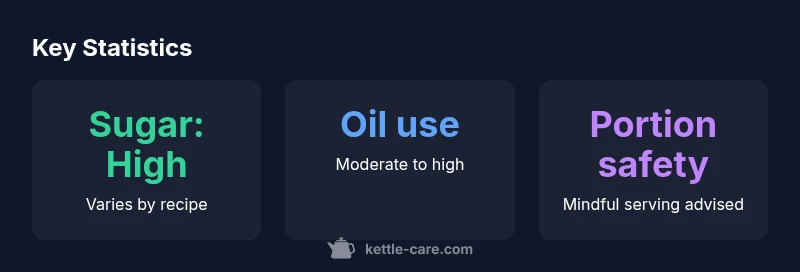
| Sugar content | High in kettle corn due to added sugar | Varies by recipe |
| Oil use | Moderate to high depending on method | Choose lighter oils and measurement |
| Fiber and satiety | Popcorn provides fiber; toppings affect density | Depends on topping and portion |
| Portion control | Easy to overeat | Mindful portions recommended |
Frequently Asked Questions
Is kettle popcorn healthier than regular popcorn?
Kettle popcorn is not inherently healthier; health depends on sugar, oil, and portions. Plain air-popped popcorn is typically lower in calories and fat. Compare recipes and keep servings reasonable.
Plain popcorn is usually healthier; kettle corn depends on how you make it and how much you eat.
Can I make kettle popcorn with zero added sugar?
You can reduce sugar by using light sweeteners or spices, but traditional kettle corn flavor relies on some sugar. Try flavoring with cinnamon or citrus zest and a tiny amount of natural sweetener.
Yes, you can minimize sugar, but you may lose the classic kettle corn taste.
Is microwave kettle corn as healthy as stovetop?
Microwave versions can add more fats or sugar depending on the product. Stovetop or air-popped preparation gives you better control over ingredients and portions.
Microwave versions often have extra additives; choose simpler recipes.
What are healthier oil options for kettle corn?
Choose heart-healthy oils like olive or avocado oil, and limit total oil per batch. Avoid butter-heavy methods if you’re watching fat intake.
Opt for olive or avocado oil and watch the amount.
How to portion kettle popcorn to avoid overeating?
Pre-portion servings into small bowls and track cups per sitting. Pair kettle popcorn with protein or fruit to improve satiety and reduce impulse snacking.
Measure servings and snack mindfully.
Is kettle popcorn safe for kids?
It can be, but limit sugar and salt and supervise choking-prone pieces. Cut into kid-friendly sizes and offer balanced pairings.
Yes, with moderation and mindful ingredients.
“Healthy kettle popcorn comes from mindful ingredients and portions.”
Highlights
- Prioritize mindful portions to avoid excess sugar
- Homemade kettle corn offers more flavor control
- Use lighter oils to reduce fat intake
- Balance kettle corn with protein-rich foods
- Read labels and compare ingredients