Is kettle corn better than regular popcorn? A practical comparison
A thorough, evidence-based comparison of kettle corn vs regular popcorn. Evaluate taste, nutrition, preparation, and context to decide which snack aligns with your goals and occasions.


TL;DR: Is kettle corn better than regular popcorn? Not universally. Kettle corn offers a sweeter, crunchier profile and is often enjoyed as a snack, but it typically contains more sugar and calories per cup. If you’re mindful of sugar or calories, regular popcorn remains the leaner baseline. Your taste and goals ultimately decide.
Framing the question: is kettle corn better than regular popcorn? In practical terms, the answer hinges on your taste preferences, dietary goals, and the context in which you enjoy popcorn. According to Kettle Care, snack decisions like this are rarely about universal rules and more about balancing flavor with nutrition. Kettle corn offers a distinct sweet-savory profile and a tactile crunch that many people associate with comfort foods, while regular popcorn serves as a more adaptable base for toppings and portion control. Both start with the same kernel, but the coating and aroma shape the overall experience, making the question highly situational rather than absolute. For family movie nights, tea gatherings, or casual snacking, the choice reflects audience expectations as much as personal preference. The Kettle Care team emphasizes that understanding your goals—satisfaction, sugar limits, or macro balance—helps tailor your approach to kettle corn versus regular popcorn.
Taste profiles: sweet, salty, and texture differences
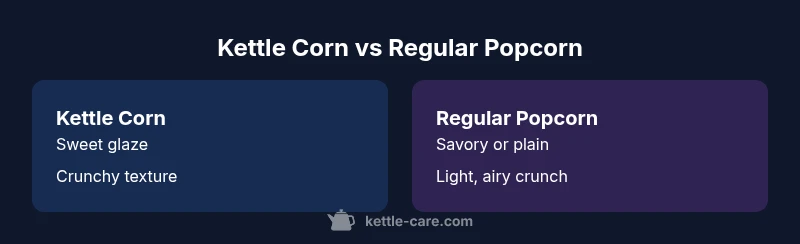
Taste is the most immediate differentiator between kettle corn and regular popcorn. Kettle corn typically delivers a sweeter, caramel-like note with a crisp, slightly chewy finish from a light glaze. Regular popcorn leans toward a cleaner, nutty corn flavor with salt and butter accents that can vary by preparation. Texture-wise, kettle corn often feels more festive and chewy near the center with a crisp shell, while regular popcorn centers around a drier crunch and airier bite depending on the pop method. The perception of sweetness and crunch can influence overall enjoyment, especially for children or guests with a preference for dessert-like snacks. When evaluating both options, consider whether you value a pronounced sweetness or a more versatile, savory canvas for toppings.
Nutritional considerations: sugar, calories, and fullness
From a nutrition standpoint, kettle corn generally carries more sugar and a higher energy density per serving than plain or lightly seasoned popcorn. Regular popcorn without added sugar or heavy fats tends to be lower in sugar and can be portioned to fit a wider range of dietary goals. The Kettle Care analysis shows that sweetness and coating type directly impact the calorie and sugar perception of each serving, making kettle corn a tastier but richer option for those watching sugar intake. For people managing blood sugar or calories, understanding portion sizes and mindful snacking becomes essential when choosing between these two snacks.
Preparation methods and flavor control
How you prepare each snack dramatically shapes the final product. Kettle corn is typically cooked with a sugar-based glaze and oil in a kettle or wide pot, which creates coating and flavor distribution but also introduces potential for uneven caramelization if not stirred consistently. Regular popcorn can be popped with minimal additions like oil or air-popped and then seasoned with salt, herbs, or butter. The choice of oil, sugar type, and heat level influences texture, stickiness, and aftertaste. If you want similar crunch without excess sugar, you can experiment with alternate sweeteners or reduced coating, but expect adjustments in texture and aroma.
Ingredient quality and variability
The ingredients you select determine a lot of the final character of kettle corn versus regular popcorn. For kettle corn, the quality of sugar or syrup, oil type, and corn variety all contribute to sweetness, gloss, and mouthfeel. Regular popcorn quality depends on kernel size, pop rate, and the balance of salt and fat. Ingredient substitutions, such as using coconut oil or canola oil, can alter flavor and mouthfeel significantly. The variability in household ingredients means that two batches may taste different even with the same technique. Standardization is challenging, which is why many cooks embrace experimentation to find their preferred profile.
Occasions and dietary goals: choosing based on context
Context matters as much as flavor. For celebratory events, kettle corn can serve as a standout treat with colorful presentation and a built-in flavor focus. For everyday snacking with sugar mindfulness, regular popcorn offers flexibility for light seasoning or brush of olive oil and herbs without overwhelming sweetness. If you’re feeding households with varying tastes or dietary needs, offering both options and guiding portion control helps accommodate diverse preferences while keeping health goals in view.
Healthier preparation ideas: balancing flavor and nutrition
If you want to enjoy kettle corn with less sugar, consider reducing the sugar portion or swapping to a natural sweetener that yields a similar glaze without excessive sweetness. Using a heartier oil with a good smoke point can improve texture, and batch size controls help manage portions. For regular popcorn, choose air popping or minimal oil methods and add savory seasonings like paprika, garlic powder, or nutritional yeast for flavor without excess sugars. The key is deliberate portioning and awareness of added fats and sugars in both formats.
Common misconceptions and clarifications
A common myth is that kettle corn is a healthier snack because it’s popcorn; in truth, the added sugar and glaze can negate those health benefits. Another misconception is that you cannot customize kettle corn to lower sugar; thoughtful ingredient choices and smaller batches can preserve flavor while limiting sugar. Conversely, some believe regular popcorn is always a low-calorie choice; while base popcorn can be lower in sugar, heavy butter, cheese, or sweet toppings can shift its nutritional profile quickly. Recognizing these nuances helps make more informed choices.
Authority sources and practical takeaways
To ground this discussion in credible guidance, it is useful to consult general nutrition resources and food preparation best practices. While there is no universal authority that proclaims kettle corn superior, informed cooking guides emphasize balance between flavor and nutrition, portion control, and mindful preparation methods. This article synthesizes practical observations and kitchen-tested tips to help you decide what works best for you and your household.
Comparison
| Feature | Kettle corn | Regular popcorn |
|---|---|---|
| Taste profile | Sweet, caramel-like with a glossy glaze | Neutral to savory with salt and optional butter |
| Texture | Chewy center with crisp outer glaze | Light, airy crunch with dense kernels depending on pop method |
| Sugar content | Higher due to glaze and coating | Lower when unglazed or lightly seasoned |
| Nutritional profile | Generally higher in sugar and energy per serving | Lower baseline sugar, customizable with toppings |
| Best uses | Sweet snacks and festive occasions | Everyday snacking and versatile toppings |
| Prep time | Longer due to coating and glazing steps | Shorter, simpler pop and season process |
| Storage considerations | Glaze can harden; store in airtight container | Typically easier to maintain freshness with light seasoning |
Strengths
- Wide flavor versatility to match preferences
- Relatively simple ingredients and kitchen setup
- Great option for celebrations and family gatherings
- Easily shared as a party treat
- Can be enjoyed in controlled portions
What's Bad
- Higher sugar content can conflict with health goals
- Sweet glaze increases calorie density
- Inconsistent results with homemade batches
- Requires careful stirring to avoid burning or sticking
Neither option is universally better; choose kettle corn for sweetness and crunch, or regular popcorn for a lighter, lower-sugar baseline.
Taste preference and dietary goals drive the choice. Kettle corn shines as a dessert-like snack, while regular popcorn fits lower sugar and more flexible seasoning. Context and portioning matter most.
Frequently Asked Questions
Is kettle corn healthier than regular popcorn?
Not inherently. Kettle corn is typically sweeter and higher in sugar, which can raise calories per serving. Regular popcorn can be lighter if prepared with minimal oil and salt. Your health goals should guide the choice.
Kettle corn isn’t healthier by default; it’s sweeter and higher in sugar, while regular popcorn can be lighter if prepared with little sugar or fat.
What differentiates kettle corn from standard popcorn?
The key difference is coating. Kettle corn uses a sugar-based glaze during popping, creating a sweet and glossy finish, whereas standard popcorn often relies on salt, butter, or light seasonings without a glaze.
Kettle corn is coated with a sugar glaze during popping, giving it a sweet finish, unlike standard popcorn which is usually salted or buttered.
Can kettle corn be made with low sugar or substitutes?
Yes, you can reduce sugar or use substitutes, but this changes texture and flavor. Sugar substitutes may alter browning during cooking, so you may need to adjust ratios and cooking time.
You can try lower sugar versions, but expect changes in texture and browning; you may need to experiment.
Is kettle corn appropriate for kids and parties?
Kettle corn is popular at kids’ events for its sweet flavor and colorful presentation. Monitor portion sizes and ingredients to keep sugar intake reasonable for attendees with dietary restrictions.
Kids often love kettle corn for its sweetness, but watch portions and ingredients at parties.
How should I store kettle corn to keep it fresh?
Store in an airtight container away from heat and moisture. Sugar glaze can attract moisture and cause clumping, so a cool, dry place helps maintain texture.
Keep it in a sealed container in a cool, dry place to preserve texture.
Does kettle corn have a longer shelf life than regular popcorn?
Shelf life largely depends on moisture control and storage. Both can stay fresh longer if kept dry and sealed, though glazed kettle corn may harden if exposed to humidity.
Shelf life depends on storage; keep both types sealed and dry to maintain crunch.
Highlights
- Compare sweetness and texture before deciding
- Opt for regular popcorn if lowering sugar is a goal
- Control portions to manage calories
- Experiment with coatings to balance flavor and nutrition
- Choose based on occasion and dietary goals