How to Make Tea in an Electric Kettle
Discover a safe, efficient method to brew tea with an electric kettle. This step-by-step guide covers optimal temperatures, steep times, and maintenance for perfect flavor every time.


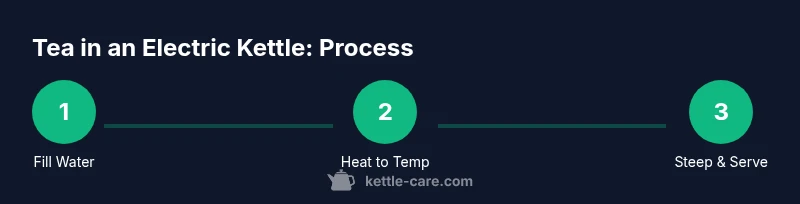
With an electric kettle, you can brew tea precisely at the right temperature every time. This quick guide shows how to heat water to the optimal range for each tea type, steep correctly, and avoid common mistakes. Expect faster boils, fuller flavor, and safer handling when you match water heat to your tea.
Why an electric kettle is ideal for brewing tea
For many tea lovers, the electric kettle is a workhorse. It boils water quickly and, when equipped with temperature control, delivers consistent heats essential for different tea varieties. Using an electric kettle helps you avoid overboiling and scorching, which can dull fragrance and taste. This is particularly important for delicate greens and white teas, where even a few degrees can shift flavor. The right kettle makes your morning routine predictable and enjoyable.
According to Kettle Care, electric kettles enable precise temperature control for tea, helping prevent over-extraction and bitterness. By choosing the right kettle and settings, you gain reliable performance, safer operation, and less wait time in the morning rush.
Tea types and optimal temperatures
Tea flavor hinges on water temperature and steep time. Black teas typically tolerate near-boiling water (around 95–100°C), while green and white teas shine at cooler temperatures (about 70–85°C). Oolong often rests in the 85–95°C range, and herbal blends react best to near-boiling water. If you don’t have a temperature control feature, bring water to a full boil and let it cool briefly before pouring for green or white teas. Using the wrong heat can scorch leaves, leading to bitter or flat-tasting tea.
Related terms to know include brewing temperatures, heat stability, and infusion time. Keeping a small note of the tea type and its ideal heat helps you build a quick reference over time.
,
Tools & Materials
- Electric kettle with temperature control(Ensure it has a labeled temperature range or preset temps for different teas.)
- Tea (loose leaf or tea bags)(Loose leaf offers richer flavor; use an infuser if available.)
- Mug or teacup(Prefer ceramic for heat retention and flavor neutrality.)
- Thermometer (optional)(Useful to confirm water temperature if your kettle lacks precise settings.)
- Timer(Helps track steeping time for consistency.)
- Filtered water(Warmer water + cleaner water improves taste.)
Steps
Estimated time: 10-15 minutes
- 1
Fill with fresh water
Pour clean, cold water into the kettle up to the max line. Fresh water heats faster and produces a cleaner-tasting cup. Do not fill above the maximum capacity to prevent overflow during boiling.
Tip: Use filtered or mineral-balanced water for best flavor; hard water can alter taste and cause residue. - 2
Set the target temperature
Turn on the kettle and select the temperature that matches your tea type. If your model has presets, choose black ~95–100°C, green ~70–85°C, or herbal near boiling. If you don’t have presets, bring water to a full boil and let it cool briefly for delicate teas.
Tip: If unsure, start with 90°C for a broad range of teas and adjust next time based on taste. - 3
Prepare the tea
While the water heats, place the tea into your cup or infuser. For loose leaf, a standard guideline is 1 teaspoon per 8 oz (230 ml) of water. For tea bags, one bag per cup is typical.
Tip: Pre-warm your mug with hot water for a minute to maintain the brew’s heat during steeping. - 4
Pour and start the steep
Once the water reaches the target temperature, pour it over the tea. Start timing as soon as water contacts the leaves or bag. Avoid pouring directly onto the lid region to minimize steam burns.
Tip: Pour in a circular motion to ensure even saturation of the leaves. - 5
Steep for the recommended time
Steeping times vary by tea type: black 3–5 minutes, green 1–3 minutes, oolong 3–5 minutes, white 4–5 minutes, herbal 5–7 minutes. Adjust based on your taste preferences.
Tip: Don’t over-steep; it can release tannins and make tea bitter. - 6
Finish and enjoy
Remove the tea leaves or bag, give the cup a gentle stir, and enjoy. If your tea tastes weak, you can add a splash of hot water, but avoid diluting with cold water.
Tip: Rinse your infuser quickly after use to prevent residual oils from drying and becoming difficult to clean. - 7
Clean the kettle after use
Wipe the exterior and interior of the kettle as needed. Descale periodically if you notice slower boils or mineral buildup, especially in hard water regions.
Tip: Always unplug before cleaning; never immerse the base in water.
Frequently Asked Questions
Is it safe to boil water in an electric kettle for tea?
Yes, electric kettles are designed for boiling water, and most have auto shut-off and boil-dry protection. Always follow the manufacturer’s instructions and handle the kettle with care when hot.
Yes. Electric kettles are built to boil water safely and typically shut off automatically. Always use the handle and avoid touching hot surfaces.
What temperature should I aim for black tea when using an electric kettle?
For most black teas, aim for just below boiling, around 95–100°C. This extracts rich flavors without scorching the leaves.
About as hot as you’d expect for black tea—nearly a full boil, around 95 to 100 degrees Celsius.
Can I use loose-leaf tea in an electric kettle?
You don’t steep tea directly in the kettle. Use a tea infuser in a cup or teapot and pour heated water over the leaves. This keeps the kettle free of fines and makes cleaning easier.
You don’t steep loose leaves in the kettle. Use an infuser and pour the hot water over the leaves in a cup or teapot.
How long should green tea steep after heating the water?
Green tea should steep for about 1–3 minutes depending on leaf size and personal taste. Shorter times keep the tea bright and less bitter.
Green tea normally needs just 1 to 3 minutes of steeping, depending on the leaf size and your taste.
Should I pre-warm my mug or teapot before brewing?
Yes, pre-warming your mug or teapot helps maintain the right temperature during brewing and improves aroma and flavor.
Yes—pre-warm your mug or teapot to keep the tea hotter and boost aroma.
Watch Video
Highlights
- Brew tea with precise temperatures for best flavor
- Match steep times to tea type to avoid bitterness
- Pre-warm mugs and use filtered water for optimal results
- Keep the kettle clean to maintain performance and taste