How to Make Tea in a Kettle: A Practical Guide
Learn to brew tea in a kettle safely and efficiently. This expert guide covers kettle choices, water quality, temperature control, steep times, and practical tips for perfect tea, cup after cup.


Learn how to make tea in a kettle with a safe, reliable method that delivers consistent flavor. You’ll boil water using a suitable kettle, measure tea properly, and time the steeping for your chosen tea. This guide covers equipment, water quality, temperatures, and practical tips for perfect cup after cup.
Why a kettle is ideal for tea
According to Kettle Care, using a kettle for tea boils water quickly, reduces waste, and yields more consistent temperatures than pot boiling. This section explains why a kettle matters for tea preparation, safety considerations, and how a properly heated kettle influences flavor and aroma. A good kettle provides controlled heat, efficient energy use, and reliable auto shut-off features that protect you from overheating. Whether you choose an electric model, a stovetop kettle, or a gooseneck design, the principle remains: precise water temperature and clean water are the core of great tea. By investing a little time to understand your kettle’s capabilities, you can achieve more consistent results, cup after cup, with less guesswork. You’ll also learn how to maintain your kettle to prevent mineral buildup and ensure long-term performance. In this guide, we’ll cover safety tips, step-by-step techniques, and practical tweaks to suit your tea preferences.
Choosing the right kettle for tea
For tea, the optimal kettle isn’t just about speed; it’s about control. Electric kettles with variable temperature, or stovetop kettles with a steady pour, help you reach precise temperatures for different teas. Gooseneck kettles offer narrow spouts for slow, steady pours, which improves extraction and reduces bitterness in delicate leaves. Material matters too: stainless steel resists staining and is easy to clean; ceramic or glass kettles can influence heat retention and aesthetics. Capacity should match your household needs, but avoid overfilling to prevent spills. Look for features like a clear water indicator, easy lid operation, and reliable auto shut-off. Regular descaling helps keep performance consistent, especially in hard water areas. If you value taste parity across batches, invest in a kettle that lets you adjust temperature and maintain a stable boil. Finally, remember: a well-chosen kettle is a long-term ally in safe, efficient tea brewing.
Water quality and temperature: the flavor equation
Water quality matters more than many people realize. Hard water minerals can mute delicate flavors, while soft water tends to bring out brightness in tea. For best results, start with fresh, cold water and avoid reboiling water that has sat in the kettle. If your water is heavily chlorinated or tastes metallic, consider using filtered or bottled water for tea. Temperature matters because different teas release flavor compounds at different rates; greens and whites are best with gentler heat, while blacks and oolongs tolerate higher temperatures. Herbal infusions can usually withstand hotter water. Remember that steeping time is just as important as water temperature. A good rule of thumb is to aim for clean, clear water and adjust temperature based on tea type to avoid over-extraction and a bitter finish.
Preparing your tea: selecting leaves and tea bags
Whether you prefer loose leaf tea or tea bags, the quality of your tea matters more than the kettle itself. Start with whole-leaf or high-quality tea bags for richer flavors. Measure tea according to the cup size and your strength preference, and consider pre-warming your cup to reduce heat loss during steeping. If you’re using loose leaf tea, a simple infuser or teapot lets the leaves unfurl fully as hot water surrounds them. The choice of tea influences temperature and steep time, so refer to the packaging or a trusted guide for recommended timings. Freshly opened tins preserve aroma, so store tea away from light and moisture. Finally, consider experimenting with caffeine-free or herbal blends for caffeine-free evenings.
The boiling and steeping process in practice
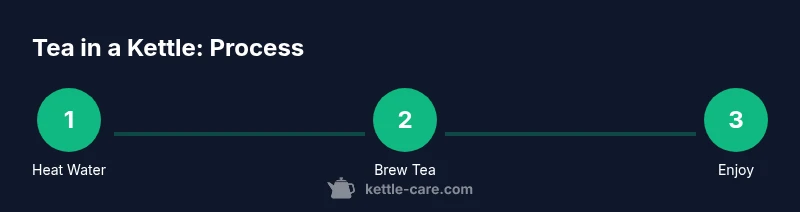
Begin by filling the kettle with clean water and turning it on. When the water begins to boil, note that precision matters: using a gooseneck or a controlled pour helps ensure consistent extraction. Pour the hot water over the tea leaves or bag in your cup or teapot, ensuring all leaves are submerged. Allow tea to steep for the recommended time based on the tea type, then strain or remove the bag and enjoy. If the flavor is too strong, adjust by using less tea or shortening the steep time next round. Keep a timer handy to reproduce results, and consider cooling briefly before drinking to avoid scalding your palate. Clean your kettle after use to prevent mineral buildup and preserve flavor.
Care and safety when boiling water for tea
Safety is the silent partner of great tea. Never leave a kettle unattended while it’s boiling, and keep the power cord away from heat sources. Regularly descale kettles in hard-water areas to prevent mineral buildup that can impair performance and taste. Check the boiling mechanism and switch-off features so they work reliably. Use a clean, non-metallic spout filter to avoid staining and maintain a smooth pour. If you’re switching between different tea types, rinse the kettle between brews to avoid cross-flavor contamination. Finally, store your kettle away from direct sunlight to preserve the exterior and interior finish.
Common mistakes and how to fix them
Common errors include boiling water too long, using stale tea, or pouring water that’s too hot over delicate leaves. To fix, start with fresh water, confirm you’re heating to a gentle boil or near-boiling depending on tea type, and time the steep correctly. If your tea tastes flat, try using looser leaf tea or increasing the tea amount slightly. If it tastes bitter, reduce steep time or temperature for next brew. Make sure your kettle’s lid closes firmly and that the filter is clean to prevent off-flavors.
Practical tips for different kettles and tea types
Electric kettles with temperature control excel for precise brew profiles, while stovetop kettles offer a traditional, reliable option. Gooseneck kettles provide superior pour control for gentle, even extraction—great for delicate greens and whites. For black teas and robust blends, near-boiling water with a slightly longer steep can unlock full flavor. Herbal blends tolerate higher temperatures and longer steep times. Always follow the tea’s recommended guidelines and adjust based on your taste preferences. Finally, pre-warm your cup and use fresh water for the best aroma and taste.
Tools & Materials
- Kettle(Electric or stovetop)
- Heat source(Plug-in or stove)
- Tea leaves or tea bags(Quality matters)
- Cup or mug(Pre-warm helps maintain temperature)
- Timer(To track steep time)
- Strainer (optional)(For loose-leaf tea)
- Thermometer (optional)(For precise water temp)
- Infuser or teapot (optional)(For loose leaves)
Steps
Estimated time: 12-15 minutes
- 1
Check your kettle and water
Ensure the kettle is clean and filled with fresh water. Use cold water for the best taste and reliable heating.
Tip: Avoid using water that has been boiled before to prevent off-flavors. - 2
Heat the water to the appropriate level
Turn on the kettle and bring the water to a full boil or the target temperature for your tea type.
Tip: Gooseneck kettles offer better control for delicate teas. - 3
Prepare the tea vessels
While the water heats, set your cup or teapot and prepare an infuser if using loose leaf tea.
Tip: Pre-warm the cup to minimize heat loss. - 4
Pour water over tea
Pour the hot water over the tea leaves or bag, ensuring all leaves are submerged and spread evenly.
Tip: Pouring in a circular motion helps even extraction. - 5
Steep for the recommended time
Allow the tea to steep for the time suggested by the tea type. Use a timer to reproduce results.
Tip: If unsure, start with a shorter time and adjust next batch. - 6
Remove tea leaves or bag
Take out the tea leaves or bag to stop extraction and prevent bitterness.
Tip: Do not squeeze the bag; it can release bitter compounds. - 7
Taste and adjust
Taste the tea and adjust strength with more tea leaves or a longer steep next time, if desired.
Tip: Keep notes of what worked for future brews. - 8
Clean and store equipment
Rinse the kettle and infuser, and store them in a dry place to prevent mineral buildup.
Tip: Descale regularly if you have hard water.
Frequently Asked Questions
Can I reuse tea leaves in a kettle-brewed tea?
Reusing leaves is possible with high-quality, whole-leaf tea, but flavor will diminish with each subsequent brew. For most everyday teas, use fresh leaves for best taste.
Reuse is possible with good tea, but flavor weakens each time.
Is it safe to boil water in any kettle for tea?
Yes, as long as you follow the kettle’s safety features and keep it clean. Read the manufacturer’s instructions for auto shut-off and boil-dry protection.
Yes—just follow safety features and keep it clean.
What’s the best water temperature for green tea?
Green tea benefits from gentler heat and shorter steep times. If your kettle offers temperature control, set it to the lower end of the range and monitor steep time.
Green tea likes gentler heat; keep it lower and watch steep time.
Can I use filtered water for tea in a kettle?
Filtered water can improve flavor if your tap water is heavily mineralized or tastes off. It helps reduce mineral buildup in the kettle over time.
Filtered water can improve taste and reduce mineral buildup.
How do I clean mineral buildup in a kettle?
Descale using a gentle solution recommended for your kettle type. Regular cleaning prevents scale from affecting heating performance and flavor.
Descale regularly to keep the kettle efficient and flavor clean.
Watch Video
Highlights
- Choose a kettle that matches your tea goals.
- Water quality strongly affects flavor and aroma.
- Follow tea-specific temperature and steep times for best results.
- Pre-warm cups and rinse between brews for consistency.