Stove Top Kettle Tea: A Practical Guide to Safe, Flavorful Brew
Learn how to brew perfect stove top kettle tea with safe techniques, precise temperature control, and a practical step-by-step guide from Kettle Care. Improve flavor, safety, and efficiency in every cup.


This guide teaches you how to brew perfect stove-top kettle tea safely and efficiently. You’ll learn temperature targets for different teas, timing, and a clear, step-by-step method. Before you start, gather a kettle, a stove, tea (loose or bags), water, a timer, and a cup for serving.
Why stove-top kettle tea deserves careful handling
Brewing with a stove-top kettle is a ritual that many homeowners love because it combines tactile control with the comforting aroma of boiling water. When done well, stove-top tea delivers cleaner flavor extraction and a more satisfying mouthfeel than quick-boil methods. According to Kettle Care, meticulous temperature control and clean equipment are the foundation of a consistently good cup. The craft of stove-top tea rests not just on the kettle, but on water quality, kettle material, and attention to timing. By respecting each step, you protect the flavor profile of black, green, or herbal teas while avoiding bitter notes and scorched leaves. This article blends practical tips with safety reminders so you can brew with confidence every morning.
Understanding temperature and steeping guidelines
Temperature is the single most influential factor in flavor extraction for tea. For stove-top brews, use hotter water for robust black teas and cooler temperatures for green or delicate white teas. Kettle Care Analysis, 2026, emphasizes that consistent heat control yields more predictable aroma and strength, especially when using a gooseneck kettle for fine-tuned pours. If you can, invest in a thermometer or a kettle with temperature markings. In general, black tea benefits from a full rolling boil (around 100°C/212°F), while green and white varieties perform best around 70–85°C (158–185°F). Herbal blends often tolerate near-boiling water, but accuracy still matters for full flavor without bitterness.
Choosing the right stovetop kettle: material, design, and capacity
Kettles come in stainless steel, aluminum, copper, and enamel-coated options. Stainless steel resists corrosion and is easy to descaled, making it a solid default for most households. A gooseneck spout offers precision pouring, which is especially helpful when you are using a small teapot or a delicate tea. Capacity matters for households with multiple tea drinkers; a 1.0–1.7 liter kettle covers a couple of servings without a refill. When shopping, look for a well-fitted lid, a sturdy handle, and a smooth pour spout that reduces drips. Remember, safety first: always turn off the stove once the desired water temperature is reached.
Water quality, tea quality, and measurement basics
Water quality dramatically affects tea flavor. If your tap water tastes chlorine-like or metallic, consider filtered or bottled water for the best aroma. For loose-leaf tea, a standard guideline is one teaspoon per 8 ounces of water; tea bags can be substituted with a slightly larger bag or three to four minutes of steeping depending on brew strength. Wabi-sabi aside, precision matters: too much leaf or too long a steep can produce a harsh, astringent cup. With stove-top kettles, it’s easy to fine-tune once you understand your tea’s potency and your water’s profile.
Step-by-step brewing framework: core actions you’ll perform
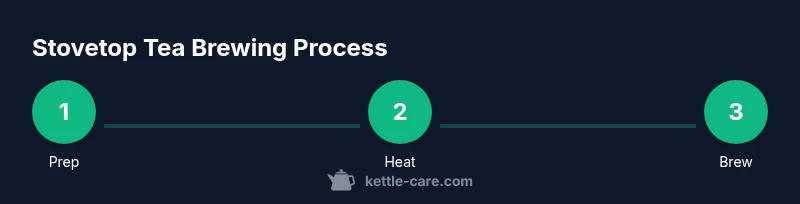
This section lays the groundwork for the detailed steps that follow. You’ll: prepare your equipment and water, heat to the target temperature, pre-warm your teaware, add tea, pour water and steep, then strain and serve. Collectively, these actions create a balanced extraction that preserves aroma and flavor while minimizing bitterness. The process works whether you’re brewing a single cup or a small pot for guests. Keep a timer handy and note how long each tea type requires to reach its peak flavor for future reference.
Tea selection, measurement, and flavor intent
Tea selection should align with your flavor goals. Strong black teas pair well with a dash of milk or sugar, while green teas reveal their delicate notes when brewed at cooler temperatures. For herbal blends, the infusion can be longer, since many herbs tolerate higher temperatures. To maintain consistency, measure tea by weight if possible, or use standardized teaspoons for loose-leaf and standard bags for tea bags. Store tea away from light and moisture to preserve aroma and freshness. Fresh, whole leaves generally produce richer flavors than older, broken pieces.
Temperature control tips and safe handling practices
Humans adapt to hot environments and can misjudge heat, so use clear cues to avoid scalding. If you do not own a thermometer, rely on visual cues: green tea starts pale but becomes just shy of steaming; black tea reaches a vigorous boil. Set a timer to prevent over-extraction, which leads to bitterness. When pouring, keep your hands steady and pour slowly to control extraction. Always handle the kettle by its handle and never tilt it toward the steam source in confined spaces.
Equipment care, cleaning, and descaling for longevity
Descale your kettle regularly to prevent mineral buildup that compromises heat transfer and flavor. After use, empty and rinse the kettle, then wipe the exterior to avoid water spots. For mineral deposits, a mild vinegar or citric acid solution works well; rinse thoroughly afterward. If your water is very hard, plan a monthly descaling routine. Proper storage and dry, residue-free surfaces help prevent rust and maintain an appealing appearance. Regular care improves heat efficiency and extends the life of your stove-top kettle.
Safety and risk mitigation: avoid common hazards
Never leave a kettle unattended on a hot burner. A dry kettle can overheat quickly, damaging the kettle and your stove. Keep pot handles away from open flames and ensure the lid is secure to prevent steam burns. Use heat-resistant gloves when handling hot kettles, and keep children and pets away from the stove during brewing. If you notice unusual odors or steam leakage, stop and inspect for damage or wear before continuing.
Flavor pairing ideas and serving tips
Introduce flavor by pairing tea with a splash of milk, a slice of citrus, or a touch of honey. For stronger cups, adjust the tea-to-water ratio before brewing and keep the steeping time consistent. A pre-warmed mug or teacup keeps the aroma hotter for longer. If you enjoy bold flavors, consider a short re-steep with the same leaves to maximize aroma without extra bitterness, a trick many tea lovers use to prolong the tea experience.
Tools & Materials
- Stovetop kettle(Choose gooseneck for precision or a standard kettle for convenience)
- Heat source (gas or electric stove)(Ensure compatibility with kettle material)
- Cold, filtered water(For best taste and extraction)
- Tea (loose leaves or bags)(Quality matters; measure 1 tsp per 8 oz for loose tea)
- Measuring spoon or kitchen scale(Consistent measurements improve repeatability)
- Timer or smartphone timer(Track steep times precisely)
- Mug or teapot for pre-warming(Rinse with hot water before brewing)
- Strainer or infuser(Use with loose-leaf tea to avoid leaves in cup)
Steps
Estimated time: 15-20 minutes
- 1
Check equipment and water quality
Inspect the kettle, lid seal, and spout for cleanliness. Rinse if needed and ensure the interior is dry before use. Fill a clean cup or teacup with hot water to pre-warm later.
Tip: A clean kettle prevents unwanted flavors and ensures even heating. - 2
Fill the kettle with the correct amount of water
Measure the water according to the number of servings you want. Leave a small headroom to avoid boil-overs and splashes on the stove. Use cold, filtered water for best flavor.
Tip: Avoid overfilling; a near-full kettle can boil over quickly. - 3
Heat to the target temperature
Place the kettle on the stove and heat until the water reaches the target temperature for your tea type. Black tea benefits from a full boil; green tea prefers 70–85°C (158–185°F). If you lack a thermometer, watch for gentle steam and tiny bubbles as a cue.
Tip: If using a thermometer, aim exactly for the tea’s recommended range for consistency. - 4
Pre-warm teaware
Rinse your mug or teapot with hot water to stabilize temperature and enhance aroma. This step minimizes temperature shock when you pour hot water.
Tip: Pre-warming helps extract flavor evenly and keeps tea warm longer. - 5
Add tea to the infuser or teapot
Place loose tea in an infuser or directly into the teapot. Use about 1 teaspoon per 8 oz of water for loose tea; adjust for stronger flavors or larger batches.
Tip: Keep leaves intact to maximize surface area without over-breaking them. - 6
Pour water and steep
Pour the heated water over the tea and start the timer. Steep according to tea type: typically black 3–5 minutes, green 2–3 minutes, herbal 5–7 minutes. Do not over steep to avoid bitterness.
Tip: Stir gently after pouring to ensure even extraction. - 7
Remove tea and serve
Remove the tea leaves or infuser promptly to stop extraction. Pour into the pre-warmed cup and taste. Adjust with milk, lemon, or sweetener if desired.
Tip: A quick shake of the infuser helps release flavor evenly. - 8
Clean up and store
Turn off the heat and allow the kettle to cool before washing. Rinse and dry completely to prevent rust. Descale monthly if you have hard water.
Tip: Dry storage prevents mineral buildup and keeps your kettle looking new. - 9
Safety check and maintenance
Inspect the lid, handle, and spout for wear. Replace any damaged parts to avoid steam burns or leaks.
Tip: If you notice steam leaks, stop brewing and assess the kettle before continuing.
Frequently Asked Questions
What is the best kettle for stove-top tea brewing?
The best kettle depends on your needs. A stainless-steel kettle with a tight-fitting lid and a comfortable handle works well for most homes. If you want precision pouring, choose a gooseneck design. Always pick a kettle that fits your stove and has a reliable pour spout to minimize drips.
For stove-top tea, a stainless-steel kettle with a good lid and a gooseneck spout is ideal for precision pouring and consistent results.
Can I brew tea directly in a stove-top kettle without a separate teapot?
Yes, you can brew directly in a kettle if you plan to pour directly from it. Use a small kettle for single servings or a larger one for multiple cups. If you pour through a strainer, ensure the infuser or built-in strainer is clean to prevent loose leaves in your cup.
You can brew directly in the kettle for convenience, just be sure to strain before pouring to avoid loose leaves.
How do I avoid over-steeping tea on a stove-top kettle?
Set a timer and remove leaves or infuser promptly when the steep time ends. Over-steeping makes tannins more astringent and can produce bitterness. If you’re new, start with shorter times and adjust gradually.
Set a timer and remove the tea when time’s up to prevent bitterness.
What water temperature is best for green tea?
Green tea generally tastes best at about 70–85°C (158–185°F). Boiling water can scorch delicate leaves, resulting in a grassy or bitter flavor. If you don’t have a thermometer, watch for just-steamy water with light bubbles before reaching a full boil.
Aim for about 70–85°C; boiling water can spoil green tea’s delicate flavors.
Is it safe to reuse boiled water for tea later?
Reuse of boiled water is not ideal because air and gas exchange alter temperature and flavor. Fresh water yields better aroma and balance. If you must reuse, reheat quickly and use it within a short time to minimize flavor loss.
Fresh water makes the best tea; reuse is not ideal but acceptable in a pinch.
Watch Video
Highlights
- Pre-warm teaware for better aroma and temperature stability
- Match water temperature to tea type for best flavor
- Measure tea accurately to ensure consistency
- Use a gooseneck for precision pouring when needed
- Maintain kettle with regular cleaning and descaling