NYC Kettle-Boiled Bagels: A Home Baker's Guide
Learn to make authentic nyc kettle boiled bagels at home with a step-by-step method, malt bath, and crisp crust. This guide covers dough, shaping, boiling, baking, and troubleshooting for homemade bagel perfection.


With this guide, you will master nyc kettle boiled bagels at home. You'll mix a high-gluten dough, proof it, shape rings, boil in a barley-malt bath, and bake until deeply golden. This method delivers the signature shiny crust and dense crumb, using common kitchen tools like a large pot, a slotted spoon, and a reliable thermometer. Before you start, assemble gear before starting.
Why nyc kettle boiled bagels stand out
The hallmark of NYC-style bagels is a crisp, shiny crust with a dense, chewy crumb. This comes from a deliberate dough formulation and a two-stage process: first a rigorous dough development, then a hot, barley-malt water bath just before baking. Home bakers can reproduce this texture by balancing flour strength, hydration, and timing. The nyc kettle boiled bagels method emphasizes discipline in dough handling and precision in the boil stage, yet remains approachable for enthusiastic home cooks.
Ingredient roles and ratios
High-protein flour (often 12-14% protein) provides the backbone for a sturdy, elastic dough. Barley malt syrup (or honey) in the boil water helps create that glossy crust and slightly malt-forward flavor. Active dry yeast or instant yeast kickstart fermentation, while salt tightens the crumb and enhances aroma. Hydration should remain modest for bagels, yielding a firm dough that’s still easy to shape. Optional sugar in the dough can nudge browning, but use sparingly to avoid overly soft interiors. Dark, cold water will slightly slow fermentation and improve chew, a nuance some bakers report when chasing authentic NYC texture.
Equipment and kitchen setup
A large, heavy-bottomed pot is essential for the boil, paired with a long-handled slotted spoon. Have a thermometer ready to monitor water temperature, and a flat, rigid surface with a bench scraper or knife for portioning dough. A sheet pan lined with parchment keeps the boiled rounds from sticking during bake, and a warm, draft-free spot is ideal for the dough to rest. Keeping a clean workspace and organizing ingredients beforehand reduces chaos, especially in a recipe with multiple stages like this.
Dough prep: shaping your bagels
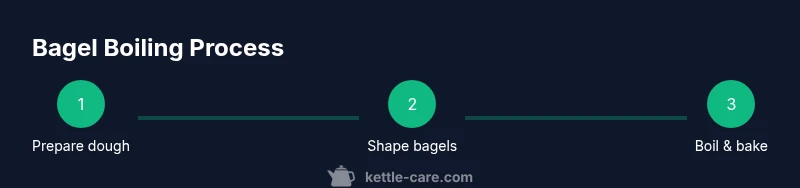
Start with a firm, elastic dough that’s been kneaded to develop gluten. Portion the dough into equal pieces and shape each into a tight ball, then gently form a hole in the center by pinching and rotating. The key is to keep the dough smooth and taut—avoid tearing, which can create irregular crusts. A well-shaped bagel will hold its form during boiling and baking, producing that iconic round shape with an evenly distributed crust.
Boil bath and bake
Boiling is the defining step for texture: submerge each bagel in a shallow barley-malt bath for a short time, usually 30–90 seconds per side. The boil firms the crust and seal in moisture, shaping the final chew. After boiling, drain and place on a parchment-lined sheet. Bake in a hot oven until the crust is deeply browned and the interior feels hollow when tapped. If you prefer a chewier center, extend the boil slightly; for a lighter crumb, shorten it a bit.
Shaping technique and tips
Consistency in shape begins with uniform dough pieces and precise hole sizing. A dough ring with a precise diameter helps all bagels bake evenly. During shaping, keep your hands lightly floured to prevent sticking and avoid overworking the dough after shaping, which can tighten the crumb. Rest the formed bagels briefly before boiling to prevent deformation during the bath.
Troubleshooting texture issues
If your bagels spread too much, the dough may be over-proofed or under-kneaded. Under-kneaded dough can yield a dense center and weak crust; over-proofed dough collapses in the oven. If the crust is pale, raise oven heat or extend the bake time slightly. If the inside feels gummy, consider increasing the boiling time slightly or checking flour hydration. Small adjustments in temperature, hydration, and boil duration can dramatically affect texture.
Flavor variations and toppings
Classic NYC-style bagels shine with modest flavor, so toppings do not mask the crust. Try everything bagel seasoning, sesame, or poppy seeds after boiling but before baking. For a malt-forward profile, add a touch more barley malt syrup to the boil bath, and consider a longer bake for a deeper crust color. Fresh toppings should be added after boiling and before baking to ensure adhesion.
Serving ideas and storage
Bagels are best fresh but store well in a paper bag at room temperature for a day or two. For longer storage, freeze baked bagels and reheat in a toaster or oven to regain the desired crust. Slice and toast to enjoy with classic spreads like cream cheese, lox, or butter. Fresh bagels pair beautifully with simple, high-quality ingredients that let the crust and chew shine.
Timing and scheduling for best results
Plan on an active prep window plus overnight or cold-ferment options if you want deeper flavor. A typical schedule includes 15–20 minutes of dough mixing, 1–1.5 hours of bulk fermentation, 15–20 minutes for shaping and proof, 5–10 minutes for boiling, and 15–20 minutes for baking. If your kitchen runs warm, reduce fermentation time to avoid over-proofing, which can compromise texture and shape.
The science behind the crust
The crust’s gloss and chew result from starch gelatinization during baking and crust formation during the boil. Barley malt in the boil bath reduces surface tension and helps the crust caramelize, creating that signature color. The dough’s gluten structure must be strong enough to hold the ring shape during boiling while yielding a tender crumb after baking.
Quick reference checklist for home bakers
- Use high-protein flour and a firm dough
- Prepare a barley-malt boil bath
- Shape evenly with a tight hole
- Boil briefly, then bake at a high temperature
- Cool on a rack and serve fresh
Tools & Materials
- Large heavy-bottom pot (6-8 quarts)(Deep enough to allow bagels to float without crowding; avoid boiling dry.)
- Slotted spoon or spider(Long-handled; helps retrieve bagels without tearing the crust.)
- Instant-read thermometer(Monitor boil water temperature and dough temperature as needed.)
- Mixing bowls and counter space(Large bowl for dough, clean surface for shaping.)
- Measuring cups and kitchen scale(Accurate ingredients help reproducible results.)
- Baking sheet and parchment paper(Prevents sticking; helps with consistent browning.)
- Bench scraper or knife(Portion dough cleanly and maintain even pieces.)
- Clean towel or plastic wrap(Cover dough during fermentation to prevent drying.)
- Barley malt syrup (or honey) for the boil(Provides flavor and crust sheen; use in moderation.)
- Flour for dusting(Keep surfaces minimally floury to avoid tough dough.)
Steps
Estimated time: Total time: approximately 3.0–4.0 hours including fermentation and baking.
- 1
Mix dough and develop gluten
Combine flour, yeast, salt, and malt in a mixer or bowl. Knead until the dough becomes smooth and elastic, 8-12 minutes by hand or 6-8 minutes with a mixer. This step builds gluten strength for chew.
Tip: If using a mixer, watch for a smooth windowpane as a test of gluten development. - 2
Bulk ferment until doubled
Let the dough rise in a warm place until it roughly doubles in size. This fermentation develops flavor and improves texture. Gently fold halfway to redistribute gas and relax the dough.
Tip: Keep the dough covered to prevent surface drying; if the room is warm, shorten this stage. - 3
Divide and shape into bagels
Portion the dough into equal pieces, roll each into a tight ball, and create a hole by piercing and twisting the center. Maintain a smooth surface to prevent cracks during boiling.
Tip: Keep dough pieces evenly sized for uniform baking; work quickly to prevent over-proofing. - 4
Proof shaped bagels briefly
Let the shaped rounds rest 15-20 minutes to relax and take on their final shape. Short proofing helps them hold structure during the boil.
Tip: Cover lightly so the surface doesn’t dry; warm surroundings speed up this stage. - 5
Boil bagels in malt bath
Boil each bagel in a large pot of water with barley malt syrup for about 60-90 seconds per side. Remove with a slotted spoon and place on parchment-lined sheet to drain and set the surface.
Tip: For a crisper crust, keep the boil short; for more chew, extend by a few seconds per side. - 6
Bake until deep golden
Bake in a hot oven (around 450°F/230°C) on a parchment-lined sheet until deeply golden and crusty. The interior should feel hollow when tapped.
Tip: If your crust isn’t browning evenly, rotate the tray halfway through baking. - 7
Cool and serve
Transfer to a rack to cool for at least 15 minutes before slicing. Enjoy with cream cheese, lox, or your favorite toppings.
Tip: If freezing, cool completely before storing; reheat in toaster for best texture.
Frequently Asked Questions
What makes NYC bagels different from other bagels?
NYC-style bagels are denser and chewier due to higher gluten development and a boiled crust formed in a malt-water bath before baking. The boil duration and dough strength help create that iconic texture.
NYC bagels are chewier and denser because of the strong dough and malt boil before baking.
Can I bake bagels without boiling them first?
Boiling is traditional for bagels and significantly affects texture. Baked-only bagels will be crumbly and less glossy. If you skip boiling, expect a milder crust and a different chew.
Boiling is essential for the classic bagel texture; without it, you’ll get a different result.
What flour should I use for best results?
Use a high-protein bread flour to achieve strong gluten development. All-purpose flour can work but will yield a softer crumb and less chew.
Bread flour gives the best chew and structure for bagels.
What oven temperature works best?
Aim for a hot oven around 450°F (232°C) with a preheated sheet or stone. This promotes rapid crust set and good browning.
A hot oven helps achieve a crisp crust and proper browning.
How long can I store bagels after baking?
Store at room temperature for a day or two in a paper bag. For longer storage, freeze and reheat in a toaster or oven to recapture crust.
Bagels store best in a paper bag for a day or two; freeze for longer.
Can I customize toppings for flavor?
Yes. Top with sesame, poppy seeds, or everything seasoning after boiling and before baking. You can also mix toppings for variation.
Top with seeds after boiling for best adhesion and flavor.
Watch Video
Highlights
- Start with a strong dough for chewy bagels.
- The malt bath is key to the classic crust shine.
- Even shaping ensures uniform baking and texture.
- Careful timing prevents under- or over-proofing.