How to Clean an Electric Kettle Safely: A Practical Guide
A practical, step-by-step guide to safely descale and clean your electric kettle, preventing mineral buildup, preserving efficiency, and extending lifespan with tips from Kettle Care.


Keep your clean electric kettle in top shape by descaling and cleaning it regularly. This guide explains safe methods using white vinegar or citric acid, plus rinsing and drying to prevent mineral buildup. You’ll learn a safe, efficient routine that protects your kettle and your hot water taste.
Why Clean Electric Kettle Matters
According to Kettle Care, regular cleaning prevents mineral buildup, preserves heating efficiency, and extends kettle life. In hard water areas, scale forms faster and can force the kettle to work harder, consuming more energy. A clean kettle heats more quickly and evenly, which means safer, faster tea and coffee brewing. Beyond performance, descaling helps protect internal components from corrosion and reduces unpleasant tastes or odors in boiled water. This section explains what mineral deposits look like and how to schedule routine cleaning as part of your kitchen maintenance habit. The guidance here applies to stainless steel, glass, and plastic kettles, and focuses on gentle, practical methods that use common household supplies.
Safety First: Before You Start
Safety is the foundation of any cleaning task. Unplug the kettle and let it cool completely before handling. Never immerse the base in water or submerge electrical components. If your model has a removable filter, take it out and rinse with warm water. Keep children and pets away while you work, and work on a stable, dry surface. Use a soft sponge or microfiber cloth to avoid scratching the finish, and never use abrasive pads on any coated surfaces. If you notice damage to the cord, plug, or heating element, stop using the kettle until it’s inspected.
Tools and Materials You’ll Need
Gather these items before you begin to keep the process smooth:
- White vinegar (essential) or citric acid (alternative) with water
- Clean sponge or microfiber cloth (essential)
- Non-abrasive brush or old toothbrush (essential)
- Measuring cup or small jug (optional)
- Soft cloth or towel for drying (optional)
- A removable filter (if your kettle has one) and a small bowl for rinsing (optional)
Using readily available descalers keeps the process simple and affordable. Citric acid is a popular natural option for those avoiding vinegar scent.
Step-by-Step Cleaning with Descalers
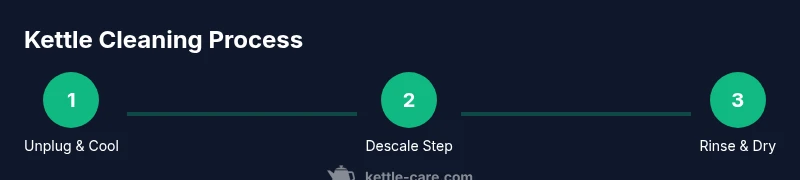
This section outlines a clear, safe approach to descaling using either vinegar or citric acid. Start by unplugging the kettle and allowing it to cool fully. Create a gentler descaling solution that just covers the scale at the bottom, fill the kettle with the solution, bring it to a gentle boil, and let it sit to loosen deposits. Rinse thoroughly with fresh water, and repeat if needed. Finally, wipe the interior with a clean cloth and allow the kettle to dry completely before the next use. This systematic method minimizes risk and ensures you don’t miss hidden residues.
Tip: If your kettle has a filter, remove and rinse it during the soaking phase to avoid trapping grime inside the mesh.
Rinse, Scrub, and Dry Properly
After soaking, drain the solution and rinse multiple times with fresh water to remove any remaining scale and cleaning residues. Use the soft brush to gently scrub any stubborn spots on the interior walls. Rinse the exterior as well to remove splashes and ensure a polished finish. Dry the interior with a clean towel or let it air dry completely to prevent new mineral buildup caused by residual moisture. A thorough dry before reassembly helps prevent steam and mineral residue from forming during the next boil.
Dealing with Tough Mineral Buildup
If scale is stubborn, repeat the descaling cycle or switch to a more robust descaler recommended by your kettle’s manufacturer. For very hard water, a longer soak with vinegar or a twice-boil method can help break tough deposits. Always rinse thoroughly between cycles and avoid leaving acidic solutions in contact with metal parts for extended periods. For those with metal-coated elements, minimize contact time to prevent potential pitting.
Maintenance and Prevention Tips
Prevention is easier than restoring a heavy buildup. Use freshly boiled, filtered water when possible, and empty the kettle after use to avoid standing water that can harbor mineral deposits. Regular, gentle cleaning every 4–8 weeks depending on water hardness can dramatically reduce scale. Consider a brief boil-ahead: every few weeks, boil water with a small amount of cleaning solution to reset the interior surface before scale becomes thick. Store the kettle dry and avoid letting it sit with water in the base.
Common Mistakes to Avoid
Avoid leaving acidic solutions in contact with the kettle for long periods, and never run the kettle while it contains cleaning solution. Do not use abrasive cleaners or steel wool on any surface, as this can scratch coatings and void warranties. Never submerge the base or power contacts in water, and always ensure the kettle is unplugged and cool before cleaning. Finally, don’t skip rinsing; residue can alter water taste and interfere with future boils.
When to Replace Your Kettle
Even with diligent cleaning, some kettles may begin to show age-related wear: a cracked lid, a failing seal, or persistent mineral buildup on heating elements. If you notice inconsistent boiling, strange noises, or reduced performance after repeated cleaning cycles, it may be time to replace the kettle. Regular cleaning remains essential for extending life, but a highly degraded unit can pose safety risks.
Tools & Materials
- White vinegar(Use standard household white vinegar; avoid flavored varieties)
- Citric acid (optional)(Alternative descaler if avoiding vinegar scent)
- Water(Cold or room temperature for initial rinse; warm water for soaking helps dissolve deposits)
- Soft sponge or microfiber cloth(Non-abrasive to protect kettle finish)
- Non-abrasive brush or old toothbrush(For interior corners and the spout/vent area)
- Measuring cup or small jug(Helpful for consistent mixing when using citric acid)
- Towel or cloth for drying(Assist with thorough drying and drip control)
- Removable filter (if present)(Rinse separately during cleaning)
Steps
Estimated time: 20-30 minutes
- 1
Unplug and Cool
Ensure the kettle is unplugged and completely cool before handling. This prevents accidental burns or electrical shock when moving parts or lids.
Tip: Always start with safety; a cool kettle reduces risk during disassembly. - 2
Prepare Descaling Solution
Choose vinegar or citric acid and prepare a solution that covers the mineral deposits on the interior surfaces. Do not overfill; aim for enough liquid to touch the affected areas.
Tip: If using vinegar, consider a short initial rinse to minimize odor after cleaning. - 3
Open Lid and Remove Filter
Open the lid and, if your kettle has a removable filter, take it out for separate cleaning. Rinse the filter under warm water to remove loose debris.
Tip: Cleaning the filter improves water clarity and prevents trapped grime from re-entering boiled water. - 4
Fill with Solution
Pour the descaling solution into the kettle until the scaling area is submerged. Do not exceed the maximum fill line to avoid boil-overs during heating.
Tip: A little astringent solution is more effective than soaking with excess liquid. - 5
Boil and Soak
Bring the solution to a gentle boil, then turn off heat and allow the kettle to soak for several minutes to loosen stubborn deposits. Reheat if necessary, but do not boil dry.
Tip: Soaking time helps break apart mineral clusters without harsh scrubbing. - 6
Rinse Thoroughly
Discard the solution and rinse the interior with clean water several times to remove all traces of vinegar or citric acid. Refill, boil once, and drain to ensure no cleaning residues remain.
Tip: Follow with a plain water boil to remove any lingering tastes or smells. - 7
Dry and Reassemble
Dry the interior with a clean cloth and allow the kettle to air dry completely. Reinsert the filter if used and reinstall the lid before the next use.
Tip: A fully dry kettle helps prevent new mineral deposits and keeps safety seals intact.
Frequently Asked Questions
Can I use lemon juice or other citrus to descale my kettle?
Lemon juice can be used as a mild descaler, but it may leave a citrus scent. Vinegar or citric acid are more common and predictable options. Always rinse well after any citrus-based cleaning.
Yes, you can use citrus like lemon, but be sure to rinse thoroughly to remove scent and residue.
Is it safe to descale a kettle with a plastic interior?
Descaling is generally safe for plastic interiors when using mild acids and following the manufacturer’s guidelines. Avoid abrasive tools that could scratch and degrade the plastic protective layer.
Yes, but use gentle methods and avoid harsh scrubbers on plastic interiors.
How often should I descale my electric kettle?
Descale frequency depends on water hardness and usage. In hard water areas, every 1-2 months is common, while softer water may allow for every 3-4 months. Adjust based on visible scale and taste.
Hard water may require monthly descaling; softer water less often.
Can I put the kettle in the dishwasher?
Most electric kettles should not be placed in a dishwasher due to electrical components and lids. Check your manufacturer’s guidance; hand washing is safest for the exterior and detachable parts.
Avoid the dishwasher; hand wash the parts that aren’t electrical.
What is the best descaler for electric kettles?
The best descaler is one that is compatible with your kettle’s materials and recommended by the manufacturer. Common options include white vinegar or food-grade citric acid solutions. Follow the product directions for dilution and contact time.
Choose a descaler your kettle tolerates and follow the directions.
What should I do if the scale returns after cleaning?
If scale returns quickly, consider using filtered water and repeating the cleaning cycle. Persistent buildup may indicate very hard water or a worn heating element. In such cases, consult the manufacturer or consider replacement.
Repeat cleaning with filtered water, check for hard water, and consider replacement if persistent.
Highlights
- Start with unplugging and cooling for safety.
- Choose vinegar or citric acid as primary descalers.
- Rinse thoroughly and dry completely between cleanings.
- Regular descaling extends kettle life and preserves performance.