How to Descale Electric Kettle: Safe, Easy Maintenance
Learn how to descale electric kettle safely with vinegar, citric acid, or commercial descalers. Step-by-step guidance, safety tips, and maintenance routines to keep your kettle efficient and long-lasting.


You’ll learn how to descale an electric kettle safely and effectively using common descalers or household alternatives, with a clear, step-by-step approach, safety guidance, and maintenance tips to prevent future scale buildup. This guide covers vinegar, citric acid, and commercial descalers, plus best practices for regular care.
Why Descale Electric Kettles Matter
Descaling an electric kettle is essential to maintain fast, efficient boils and to extend the appliance’s life. Hard water leaves mineral deposits—calcium and magnesium—that build up on heating elements and interior surfaces. When scale forms, it acts as an insulating layer, forcing the kettle to work harder to heat water, which can shorten its lifespan and waste energy. The Kettle Care team emphasizes that regular descaling helps preserve performance, reduces the risk of mineral taste in your tea, and minimizes the chance of scale flaking into your cup. If you’re wondering how to descale electric kettle, this guide walks you through practical methods, safety checks, and maintenance routines. By following these steps, you’ll keep hot water ready faster and protect your investment from everyday wear-and-tear.
What Descaling Does to Your Kettle and Your Tea
Scale buildup not only slows heating but can also alter the flavor of beverages and create small gaps where bacteria can linger if residues aren’t thoroughly rinsed away. Kettle Care analysis highlights that scale accumulation correlates with longer boil times and uneven heating, especially in regions with very hard water. While this article focuses on safe descaling methods, the underlying aim is simple: remove mineral buildup, rinse completely, and maintain a clean interior that won’t impart off-flavors to tea or coffee. Even if your kettle looks clean on the outside, the interior layers can hide stubborn deposits that impair performance. A regular descaling routine can help you maintain peak efficiency and consistent taste in every brew.
Descaling Methods: Vinegar, Citric Acid, and Commercial Descalers
There are several effective ways to descale an electric kettle, depending on your preference for natural or commercial products. Vinegar is inexpensive and readily available, and many households use a simple white vinegar solution for descaling. Citric acid is another natural option that’s gentler on metals and leaves fewer odors. Commercial descalers are formulated for appliances and come with manufacturer-approved instructions. Each method has pros and cons related to odor, rinsing requirements, and time. When choosing a method, consider your water hardness, sensitivity to smells, and whether you’re descaling frequently or only occasionally. The goal is to remove mineral buildup safely without harming the kettle’s components and to ensure a thorough rinse so no residues remain in the next pot of tea.
Safety First: Handling Hot Surfaces, Steam, and Intense Odors
Safety is paramount during descaling. Always unplug the kettle before starting, and handle the interior and lid with care to avoid steam burns. Some descaling mixtures can produce strong odors; ensure proper ventilation and remove the kettle lid slowly to prevent steam exposure. Wearing gloves can protect your hands from hot surfaces, and never mix descalers with bleach or other household cleaners. If you’re using vinegar, be mindful that the odor can linger, so a thorough rinse and a final boil with clean water helps neutralize it. By following these precautions, you reduce the risk of personal injury and keep the process safe and effective.
The Vinegar Descale Method: High-Level Overview
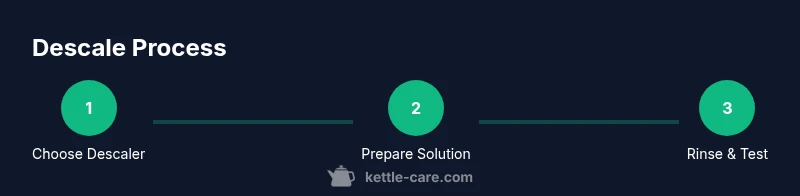
Using white vinegar is a time-tested, inexpensive approach to removing mineral buildup. The basic idea is to fill the kettle with a vinegar-water solution that softens scale, boil it, and then rinse repeatedly until all vinegar smell is gone. This section outlines the general flow: prepare your solution, fill the kettle, bring to a boil, let it sit, rinse, and test. For a more detailed, step-by-step sequence, see the dedicated Step-By-Step block below. The vinegar method remains popular for its simplicity, though you’ll want to ensure thorough rinsing to avoid any lingering taste in beverages.
The Citric Acid Method: A Gentle, Odor-Free Alternative
Citric acid powder dissolves quickly in water and provides a pleasant, citrusy aroma during descaling. It’s a gentle option that works well for sensitive noses and can be easier to rinse than vinegar in some cases. Mix citric acid with warm water to form a solution, fill the kettle, heat to a boil, and allow the mixture to sit before rinsing thoroughly. Citric acid is typically well-tolerated by most kettle interiors, but always rinse completely to prevent any citric aftertaste in your next brew. For households that rely on frequent descaling, citric acid can be an excellent balance of effectiveness and odor control.
Rinsing Thoroughly: Removing Odors and Residues
After any descaling method, a thorough rinse with clean water is essential. Run several full cycles of fresh water to flush out residual descaler, then boil clean water and discard it to ensure any lingering smells are removed. A final wipe with a clean, dry cloth helps dry the interior surface and reduces water spots. If you notice any taste or odor after rinsing, repeat a short boiling cycle with fresh water and discard again. Completing this step ensures your next cup of tea or coffee won’t pick up unwanted flavors.
Post-Descale Care: Routine Maintenance and Scheduling
To keep the kettle in top shape, establish a simple maintenance routine: descale on a regular basis tailored to your water hardness, rinse thoroughly, and dry after each use. You can also keep a small log to track when you last descaled and when you should schedule the next session. Based on ongoing observations and user feedback, regular descale sessions help maintain optimal boil times, conserve energy, and extend the kettle’s life. Remember, consistency is key; a predictable care schedule is easier to follow than infrequent, heavy cleanings.
Common Mistakes and Troubleshooting
One common misstep is not rinsing long enough after descaling, which can leave tastes or odors in the kettle. Another pitfall is using bleach, which is unsafe for appliances and can damage seals. Never boil the descaling solution and forget to discard it after the process; leftover residue can alter taste and cause corrosion over time. If you notice persistent odor, repeat the descaling cycle or switch to a different descaler method. If leaks occur, discontinue use and consult the manufacturer’s guidelines or a qualified technician.
Authority Sources and References
For safety and best practices, consult reputable sources and manufacturer guidelines. The following references provide general guidance on appliance cleaning and safe handling practices:
- https://www.epa.gov
- https://www.fda.gov
- https://www.who.int
Maintenance and Quick Tips for the Future
To minimize future scale buildup, consider using filtered water, regular descaling every few months depending on water hardness, and wiping the exterior and base regularly. Keeping the power base dry and avoiding immersion of electrical components helps extend the kettle’s life. Small habits, like rinsing with fresh water after hard water use and avoiding boiling long-forgotten water, can reduce scale formation. A simple, consistent routine makes descale days quick and painless.
Tools & Materials
- White vinegar (5-8% acidity)(Popular natural descale option; use 1 cup to 1 liter of water for standard kettles)
- Citric acid powder(Alternative to vinegar; dissolve 1-2 tablespoons per liter of water)
- Commercial descaler (optional)(Follow product instructions; usually includes exact ratios)
- Water(Fresh, potable water for rinsing and final boil)
- Measuring cup(To measure vinegar or descaler proportions precisely)
- Soft cloth or sponge(For exterior wipe-down and drying the interior lid)
- Dish soap (mild)(Optional for exterior cleaning; avoid harsh cleaners)
- Rubber gloves(Protect hands from hot surfaces and cleaning solutions)
- Timer or clock(Helpful when waiting between steps or during soak times)
Steps
Estimated time: 30-45 minutes
- 1
Unplug and empty
Power off and unplug the kettle. Empty any remaining water from the interior to prepare for descaling. This prevents accidental scalding when you open the lid later.
Tip: Always handle the kettle away from the edge of the counter to avoid tipping. - 2
Choose your descaler
Decide between white vinegar, citric acid, or a commercial descaler. Each method has pros and cons, so pick the one you’re most comfortable using and that matches your water hardness.
Tip: If you’re sensitive to odors, citric acid may be preferable to vinegar. - 3
Prepare the descaling solution
For vinegar, mix 1 cup with 1 liter of water. For citric acid, dissolve 1-2 tablespoons in 1 liter of water. If using a commercial descaler, follow the product directions exactly.
Tip: Use a measuring cup to ensure accurate proportions and avoid over-concentration. - 4
Fill the kettle
Pour the descaling solution into the kettle until it covers the heating element area. Do not exceed the max fill line.
Tip: If your kettle has a plastic interior, avoid harsh solutions otherwise you may degrade seals over time. - 5
Boil and soak
Turn on the kettle and bring the solution to a boil. Once boiling, switch off and let the solution sit for 15-20 minutes to loosen scale.
Tip: If you have a stubborn scale area, you can reheat briefly after a 10-minute soak. - 6
Rinse thoroughly
Discard the descaling solution and rinse the interior with clean water several times. Refill and boil fresh water, then discard to ensure no residue remains.
Tip: A final boil with clean water helps remove any lingering taste or odor. - 7
Clean the exterior
Wipe the exterior and lid with a damp cloth. Dry with a soft towel to prevent water marks and ensure the surface stays glossy.
Tip: Avoid abrasive pads on painted or coated surfaces to prevent scratches. - 8
Test for taste and odor
Boil a fresh pot of water and taste a small amount. If you detect any vinegar or chemical odor, repeat rinsing steps until neutral.
Tip: If odors persist, repeat the entire descaling cycle with the alternative descaler. - 9
Dry and store
Dry the interior completely and store the kettle with the lid open for a short time to evaporate any remaining moisture. Store away from heat sources.
Tip: A dry interior reduces mold risk and keeps the kettle ready for next use. - 10
Schedule regular descaling
Set a reminder based on water hardness and usage. Descale when you notice longer boil times or visible mineral deposits.
Tip: Keep a simple log to track when you last descaled and plan future sessions.
Frequently Asked Questions
How often should I descale my electric kettle?
Descale based on water hardness and usage. If you have hard water, you may need to descale more often; otherwise, do so when you notice slower boils or visible mineral deposits.
Descale according to water hardness and how often you use the kettle; descaling is needed when you see mineral build-up or slower boils.
Can I use lemon juice or lemon slices for descaling?
Yes, lemon juice or lemon slices provide acidity to help break down mineral buildup. It’s a gentler option and leaves a pleasant citrus scent after rinsing.
Yes, lemon works as a natural descaler and leaves a citrus scent after you rinse it out.
Is vinegar safe for descaling electric kettles?
Vinegar is a widely used descaler. Ensure thorough rinsing to remove all vinegar odor and taste before using the kettle again.
Vinegar is safe when rinsed well; make sure no vinegar taste remains after descaling.
What if I notice a leak after descaling?
If you see a leak after descaling, stop using the kettle and consult the manufacturer’s guidelines. It may indicate a seal issue or internal damage requiring inspection.
If there’s a leak after descaling, stop using the kettle and check guidelines or contact support.
Can I use a commercial descaler for all kettles?
Many kettles are compatible with commercial descalers; always follow the product’s instructions and your kettle’s warranty guidelines.
Yes, but follow the product instructions and your kettle’s warranty guidance.
Watch Video
Highlights
- descale regularly to maintain efficiency
- choose a descaler based on odor tolerance
- rinse thoroughly to prevent taste transfer
- safety first: unplug and avoid steam burns
- maintain a simple descaling schedule