How to Clean a Kettle with Vinegar: A Safe Descale Guide
Learn how to clean a kettle with vinegar safely, remove limescale, and keep water tasting fresh. Step-by-step descaling tips, safety notes, and maintenance for a ready-to-use kettle.


This guide shows you how to descale a kettle with vinegar using a safe, repeatable method. You’ll learn the right vinegar-to-water ratio, how long to let the solution work, and how to rinse thoroughly to prevent lingering odors. Always unplug and allow the kettle to cool before cleaning. This approach is practical for most household kettles.
Why vinegar is effective for kettle descaling
Vinegar is a simple, accessible descaler that works by chemically softening mineral deposits, especially calcium carbonate scale that builds up in kettles over time. The acetic acid in vinegar reacts with limescale, loosening it so it can be rinsed away. Regular descaling reduces boiling time and keeps water tasting fresher, a practical benefit for tea lovers and home cooks. According to Kettle Care, vinegar-based descaling is a cost-effective approach suitable for most home kettles when used as directed. Vinegar is inexpensive, widely available, and leaves fewer chemical residues than many commercial descalers, making it a popular first choice for everyday maintenance.
Safety considerations and material compatibility
Not all kettles react the same to acidic cleaning. Stainless steel and enamel-coated kettles generally tolerate vinegar, but delicate finishes, polished surfaces, or kettles with rubber seals can be affected if the concentration is too high or if vinegar is left in contact for too long. Always consult the user manual before cleaning. If your kettle has a plastic interior or a non-removable scale, avoid aggressive scrubbing and prefer shorter contact times followed by thorough rinsing. For households with sensitive skin or with pets around, wear gloves and keep ventilation open while descaling. If you notice any discoloration or unusual smells, stop and consult the kettle's manufacturer guidelines.
What you need before you begin
Before starting, gather a few common-sense tools and materials to make the process smooth. A bottle of white distilled vinegar, water, a measuring cup to mix the solution, a soft cloth for wiping, and a non-scratch kettle brush or sponge for any stubborn scale. Optional rubber gloves can protect your skin, especially if you have sensitive skin or allergies. Having a timer on hand helps you keep track of soaking periods. Finally, plan for a final rinse with fresh water to remove all vinegar residue. Preparing in advance reduces interruptions and helps you stay organized during the cleaning process.
Understanding the vinegar descaling method (conceptual overview)
The vinegar descaling method relies on the acidity of acetic acid to dissolve mineral deposits left by hard water. The basic idea is to fill the kettle with a diluted vinegar solution so the interior surfaces, heating element, and spout area come into contact with the acid long enough to break bonds in mineral buildup. Heating accelerates the process, but care is needed to avoid damage. After soaking, the deposits should loosen and can be rinsed away with plain water. This is an inexpensive, low-odor approach that avoids harsh chemicals while maintaining safety. Regular application helps prevent heavy scale formation and keeps the kettle functioning efficiently.
Step-by-step process overview (why each action matters)
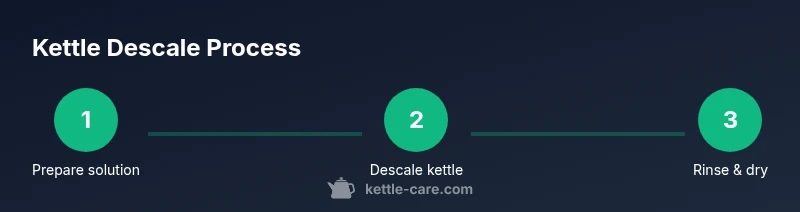
In this section you’ll see the rationale behind the actions in the step-by-step guide, including how timing and concentration influence results. Understanding the logic helps you adapt the method to different kettle sizes and water hardness. The core idea is to balance effectiveness with gentle handling of kettle materials, ensuring mineral deposits are loosened without harming coatings or seals. Expect smoother boiling, reduced energy use, and a longer kettle lifespan when you descale on a routine schedule.
Common mistakes and how to avoid them
Common pitfalls include using undiluted vinegar, which can be too harsh for some finishes; omitting thorough rinsing, leaving a vinegar odor or taste; and letting vinegar sit too long on delicate components. Do not mix vinegar with bleach or other cleaners, and never scrub aggressively on coated surfaces. If your kettle has visible wear, enamel chipping, or damaged seals, seek professional guidance before attempting descaling. Patience pays off: frequent, gentle cleanings beat aggressive, infrequent scrubs.
Maintenance and future-proofing your kettle
After descaling, establish a simple maintenance routine to minimize buildup. Boil clean water once or twice after the rinse to flush residual vinegar and mineral particles. Use filtered or soft water when possible, and consider periodic light cleanings every 4–8 weeks depending on water hardness. Store your kettle with the lid open for a few hours after cleaning to fully dry interior surfaces. Performing small routine checks, such as inspecting the seal and lid mechanism, helps extend the kettle’s life and preserves performance.
Tools & Materials
- White distilled vinegar(Use distilled to avoid additives that could stain.)
- Water (tap or filtered)(Distilled water reduces mineral buildup in future use.)
- Measuring cup or kitchen jug(To mix vinegar solution accurately.)
- Soft cloth or sponge(For wiping and drying the kettle exterior.)
- Non-scratch kettle brush or sponge(To loosen stubborn scale without scratching enamel or coating.)
- Gloves (optional)(Protect skin from acids if you have sensitive skin.)
Steps
Estimated time: 25-40 minutes
- 1
Check kettle safety and prepare
Unplug the kettle and allow it to cool completely. Empty any remaining water and inspect for visible damage or cracks before descaling. This prevents accidental burns or leaks during the process.
Tip: If you see damage, do not proceed; contact the manufacturer for guidance. - 2
Mix the vinegar solution
Combine equal parts white distilled vinegar and water in a measuring cup. Pour the solution into the kettle so it covers the scale-lined areas on the interior.
Tip: Start with a smaller batch if your kettle is small to avoid overflow. - 3
Boil the solution and soak
Turn on the kettle and bring the solution to a boil. Once boiling, turn off the kettle and let the solution sit for 15–20 minutes to soften mineral deposits.
Tip: Do not leave the solution boiling for extended periods on delicate kettles. - 4
Scrub and agitate as needed
After soaking, gently swirl the kettle and use a non-scratch brush to dislodge loosened scale. Be careful around the spout and lid seals.
Tip: Never scrub aggressively on coated surfaces; gentleness preserves coatings. - 5
Rinse thoroughly
Discard the vinegar solution and rinse the kettle with fresh water several times until the vinegar odor is gone. Boil fresh water once or twice and discard to remove any remaining taste.
Tip: Ventilate the area while rinsing to avoid smelling vinegar in the room. - 6
Dry and inspect
Dry the interior with a clean towel or allow it to air-dry with the lid open. Reassemble and ensure there are no residual odors before the next use.
Tip: Store the kettle with the lid off for a short period to prevent moisture buildup.
Frequently Asked Questions
Is vinegar safe for all kettle materials?
Vinegar is generally safe for many kettles, including stainless steel and enamel. Always check your kettle's manual for any material-specific cautions, and avoid vinegar on delicate finishes. If in doubt, test a small area first and rinse thoroughly.
Vinegar is usually safe for most kettles, but check your manual and test a small area before cleaning.
Can I use lemon juice instead of vinegar?
Lemon juice can help with descaling but is less effective than vinegar on heavy scale. It may leave a citrus scent. For stubborn buildup, vinegar remains the preferred option.
Lemon juice can be used, but vinegar is typically more effective for heavy scale.
Should I boil the vinegar solution?
Boiling helps lift deposits, but avoid prolonged boiling on delicate kettles. If you hear hissing or see damage risk, stop and allow cooling before continuing.
Yes, boiling helps, but don't overdo it. Stop if you notice any damage.
How long does descaling with vinegar take?
Most cycles take 15–20 minutes of soaking after boiling, plus a couple of minutes to rinse. For heavy scale, repeat once more.
Typically 15 to 20 minutes of soaking, plus rinsing; repeat if needed.
Will vinegar leave a taste or odor?
A faint vinegar scent is common but should dissipate after thorough rinsing and boiling fresh water a few times. If odor persists, repeat the rinse.
Usually, rinsing removes odors; if it lingers, repeat the rinse with fresh water.
How often should I descale my kettle?
Descale based on mineral content and usage. In hard-water areas, aim for every 1–3 months or when you notice reduced boiling speed.
Hard-water areas may require descaling every 1–3 months.
Watch Video
Highlights
- Descale regularly to prevent mineral buildup.
- Rinse thoroughly to avoid vinegar taste.
- Assess kettle material before cleaning to avoid damage.
- Use the proper vinegar-to-water ratio for safety.
- Dry the kettle after rinsing to prevent new deposits.