What to Put in a Kettle to Clean It: A Safe Descaling Guide
Learn safe, proven methods to descale and clean your kettle. Use natural cleaners, follow step-by-step instructions, and protect your kettle’s longevity with practical tips. A practical guide for homeowners and tea lovers in 2026.


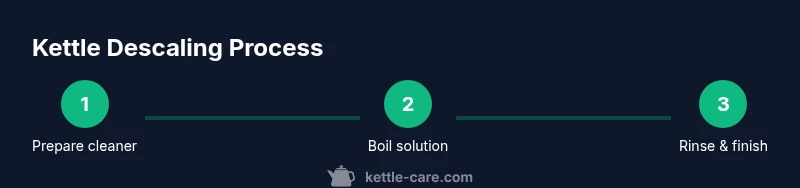
To safely clean a kettle, descale with white vinegar or citric acid, then boil and rinse thoroughly. A 1:1 vinegar solution or 1–2 tablespoons of citric acid per liter typically works. Avoid bleach or abrasive cleaners, which can damage interior coatings. According to Kettle Care, regular descaling keeps heating times fast and maximizes kettle life.
Why cleaning a kettle matters
Mineral scale and lingering residues are more than cosmetic. Over time, heavy mineral buildup can slow heating, alter water taste, and shorten a kettle's lifespan. Regular descaling removes limescale and helps boil water faster, which means less energy use and safer operation. According to Kettle Care, maintaining a clean kettle reduces heating times and prolongs the appliance's life. This is especially important in homes with hard water. When you boil mineral-rich water, calcium and magnesium deposits accumulate on the heating element and around the interior walls. These deposits insulate the element, forcing it to work harder, which can shorten its life and increase energy use. In addition, a buildup of scale can harbor bacteria or mold in some niches if the kettle is not rinsed properly after each cleaning. Therefore, adopting a simple, regular cleaning routine is essential for performance, safety, and taste. In practice, a quick weekly rinse and a deeper descaling every few months is typically sufficient for most households. If you notice reduced boil speed, odd flavors, or white dust in the steam, it's a sign you should descale sooner rather than later.
What to put in a kettle to clean it
A kettle can be descaled with simple, kitchen-safe agents. The most common options are white vinegar or citric acid. White vinegar is inexpensive and effective for mineral removal; mix equal parts water and vinegar to create a descaling solution. Citric acid is a strong, food-safe acid that works well for stainless steel and glass kettles; dissolve 1–2 tablespoons in a liter of water depending on scale. A less common option is baking soda, which can deodorize but is less effective against heavy mineral buildup. For all methods, avoid bleach or abrasive cleaners that can damage coatings or leave unsafe residues. After descaling, rinse thoroughly to remove any lingering taste or odor. Always ensure the kettle is unplugged and cool before you begin, and read the manufacturer’s guidance for your model.
Safe cleaning methods for electric vs stovetop kettles
Electric kettles and stovetop kettles share descaling needs but differ in handling. Electric kettles often have interior plastic linings or coated metal elements; use a diluted vinegar solution (or citric acid) and avoid direct contact with any heating coils when wiping. Citric acid is generally gentler on coatings, while vinegar is more aggressive for mineral removal. For stovetop kettles, you can safely boil stronger vinegar solutions directly in the kettle, but take care to avoid overfilling and never leave the solution unattended. After treatment, rinse both types thoroughly with clean water and dry the interior with a soft cloth to prevent water spots and odors. In both cases, finish with at least one fresh water boil to flush any remaining cleaning agents.
Avoiding common mistakes and ensuring thorough rinse
Common mistakes include using too much cleaner, letting the solution boil for too long, or skipping a thorough rinse. Always measure your cleaner according to the guidelines above and monitor the boil closely. After boiling, discard the solution and rinse multiple times with clean water, preferably using hot water for an extra rinse. Wipe the interior with a soft cloth to remove loosened scale and allow the kettle to air dry completely before the next use. If you still detect a smell or taste after the rinse, repeat the descaling process with a lighter solution and flush again. These careful steps help preserve interior coatings and keep water tasting clean.
How often to descale and what affects frequency
Descale frequency depends mainly on water hardness and kettle usage. In hard-water areas or with heavy daily use, aim for a light descale every 1–2 months and a deeper descale every 3–6 months. In softer water regions or with light use, a deep clean every 4–6 months may suffice. If your kettle develops white spots, a persistent mineral film, or slower boiling, treat it as a sign you need to descale—don’t wait for the next scheduled cleaning. Regular maintenance, combined with proper rinsing after each use, helps keep the kettle performing efficiently and tasting clean.
Materials compatibility and maintenance tips for different kettle surfaces
Kettles come in stainless steel, glass, or coated metals. Stainless steel tolerates vinegar better than many coatings, but always check the manufacturer’s guidance. Glass kettles reveal deposits clearly, making it easy to see when cleaning is due. For coated kettles, use citric acid or a mild vinegar solution to minimize wear on the coating; avoid prolonged exposure with concentrated acid. After descaling, always rinse thoroughly and dry the interior to prevent water spots and odors. If your kettle has a plastic interior, limit exposure to acidic solutions to preserve the plastic; always opt for the gentler cleaning option first and test on a small area if you’re unsure.
Tools & Materials
- White vinegar(Common kitchen-grade vinegar; 5% acidity is typical. Use a 1:1 water:vinegar ratio for descaling.)
- Citric acid(Food-grade powder; dissolve 1–2 tablespoons per liter of water.)
- Water(Tap or filtered water for preparing cleaning solutions.)
- Baking soda(Optional for odor neutralization; use about 1 teaspoon per liter, after descaling.)
- Kettle(Ensure it is safe to boil with the cleaning solution inside.)
- Soft cloth or sponge(For wiping away loosened deposits after boiling.)
Steps
Estimated time: 30-45 minutes
- 1
Prepare cleaning solution
Choose your cleaner: either 1:1 water-vinegar or dissolve 1–2 tablespoons citric acid per liter of warm water. Stir until fully dissolved. The goal is a gentle but effective descaling solution that won’t damage coatings.
Tip: Use warm water to help dissolve solids and speed up descaling. - 2
Fill kettle with solution
Pour the cleaning solution into the kettle up to just below the max fill line. If your model has a tight lid or spout, remove the lid to allow steam escape and prevent pressure buildup.
Tip: Never fill past the max line; overflow can create a mess and reduce cleaning effectiveness. - 3
Boil the solution
Turn on the kettle and bring the solution to a rolling boil. Allow it to continue for 5–10 minutes, depending on scale severity. The boiling action helps lift mineral deposits from interior surfaces.
Tip: Stay nearby and monitor for any unusual noises or steam buildup. - 4
Let it soak
After boiling, turn off the heat and let the solution sit for 15–20 minutes. This soak time helps soften stubborn scale and reduces the need for aggressive scrubbing.
Tip: For very light buildup, shorter soak is fine; for heavy scale, extend to 25 minutes. - 5
Rinse and scrub
Discard the cleaning solution and rinse the kettle thoroughly with fresh hot water. Use a soft cloth to wipe any loosened scale. Refill with clean water and swirl to remove residue, then rinse again.
Tip: Rinse at least 3–4 times to ensure no cleaning agents remain. - 6
Final boil with fresh water
Boil a fresh pot of clean water to flush out any remaining taste. Empty, rinse again, and air-dry the interior. This final step confirms the kettle is ready for use.
Tip: Taste-test a small amount of boiled water before brewing tea or coffee.
Frequently Asked Questions
Can I use bleach to clean a kettle?
No. Bleach can release harmful fumes when heated and may damage interior coatings. Use vinegar or citric acid instead.
Bleach should not be used; descaling with vinegar or citric acid is safer.
Is vinegar safe for electric kettles?
Yes. Vinegar is commonly used for descaling electric kettles. Rinse thoroughly after boiling and repeat if needed.
Vinegar is safe if you rinse well after descaling.
How often should I descale my kettle?
Frequency depends on water hardness. In hard-water areas, descale every 1–2 months; in softer water, every 3–6 months.
Hard water means more frequent descaling.
Can I use lemon juice instead of citric acid?
Lemon juice can help descaling but is less effective and may leave a citrus taste. Citric acid provides stronger, more reliable cleaning.
Lemon juice works but citric acid is more dependable.
Should I boil water after descaling?
Yes. Boil fresh water to flush any remaining residue and taste before using for drinks.
Boil fresh water to flush cleanup leftovers.
Watch Video
Highlights
- Descale regularly to maintain efficiency
- Choose safe cleaners: vinegar or citric acid
- Rinse thoroughly to prevent taste or odor
- Avoid bleach and harsh abrasives on coatings
- Match cleaning method to kettle material