Best Way to Clean a Tea Kettle: Safe Descaling Guide
Discover the best way to clean a tea kettle with safe descaling methods, step-by-step instructions, and practical tips to keep your kettle hygienic, efficient, and flavorful.


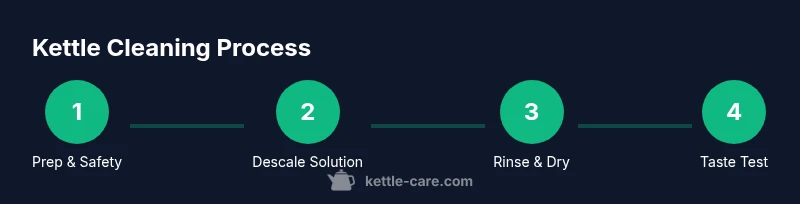
To clean your tea kettle safely and effectively, start with a gentle descaling method, then rinse thoroughly. Remove loose scale, fill with a vinegar- or lemon-based solution, boil, and discard. Rinse again, repeat if needed, then air-dry before the next use. Always unplug electric kettles before cleaning to avoid shocks.
Why Regular Cleaning Matters
Regular cleaning of your tea kettle is more than cosmetic. Mineral deposits, especially in hard water areas, build up on the interior surfaces and can affect boiling efficiency, flavor, and safety. Limescale can insulate the heating element, causing slower boils and higher energy use. It can also harbor odors and, over time, impact the taste of your tea. For homeowners, tea lovers, and home cooks who rely on a kettle daily, a simple, repeatable cleaning routine helps maintain performance and longevity. The Kettle Care team emphasizes that safe, non-abrasive methods protect your enamel or stainless interior while reducing the risk of scratches that can trap minerals. By keeping your kettle clean, you ensure clean water for every brew and a kettle that lasts longer with fewer repairs.
Actionable takeaway: schedule a quick rinse every week and a deeper descaling every few months, depending on water hardness and usage. This habit keeps mineral buildup at bay and preserves flavor integrity in your favorite teas.
Descaling Methods: Vinegar, Lemon, and Citric Acid
Descaling is about dissolving mineral buildup without damaging the kettle’s finish. You have several safe options, with vinegar, citric acid, and lemon juice being the most common and effective.
-
Vinegar method: Mix equal parts white vinegar and water to create a gentle descaling solution. Fill the kettle so the scale is covered, bring to a boil, then let it simmer for 5–15 minutes depending on the level of buildup. Cool, scrub with a non-abrasive sponge, rinse thoroughly, and repeat if necessary. Vinegar is inexpensive and widely available, but make sure to rinse well to remove any vinegary taste.
-
Citric acid method: Dissolve 1–2 tablespoons of citric acid in a liter of water. Bring to a boil, then simmer for 10–15 minutes. Citric acid is effective with mineral deposits and leaves a milder aftertaste compared to vinegar. Rinse thoroughly after cleaning.
-
Lemon juice method: Squeeze fresh lemon into water to create a mildly acidic solution, or add lemon juice directly to water. Boil and simmer briefly, then scrub and rinse. Lemon juice provides a pleasant aroma and flavor, but the acidity is milder, so you may need a second cycle for stubborn buildup.
Tips for all methods:
- Do not use abrasive pads that can scratch interior surfaces.
- Rinse until any vinegar or lemon scent is gone to avoid affecting flavor.
- For hard water, you may want to alternate methods to keep buildup manageable.
This guidance aligns with practical descaling insights from the Kettle Care team, who recommend using food-safe descalers and avoiding harsh chemicals on cooking vessels.
Safety first: Electric vs. stovetop kettles
Electric kettles and stovetop kettles require different handling due to their construction and power source. Never submerge the base of an electric kettle or any plug-in component. When cleaning an electric kettle, only treat the kettle’s body and interior as per manufacturer directions, and unplug before starting. Stovetop kettles can tolerate more direct cleaning, but you should still avoid soaking handles or wooden components and ensure the kettle is completely dry before re-boiling. If your kettle has a non-removable base, rinse the exterior with a damp cloth and dry immediately; never leave water on electrical components.
Key point: always consult the user manual for material-specific cautions. The Kettle Care team emphasizes safety over speed; a safe process prevents damage and preserves flavor for many brews to come.
Step-By-Step Cleaning Process (Overview)
This section provides a concise workflow to pair with the detailed steps in the dedicated Step-By-Step block. Start with dry preparation, select your descaler, and proceed through heating, soaking, scrubbing, and thorough rinsing. The goal is to dissolve mineral buildup without compromising the outer finish or interior seams. After a successful cycle, you should see a noticeably cleaner interior and a milder aroma when boiling water. Regular follow-up rinses ensure no residue remains and that your next cup tastes as intended.
Getting the Right Tools and Materials
Having the right tools on hand makes cleaning faster and safer. Non-abrasive sponges or microfiber cloths preserve interior finishes. A soft bottle brush reaches corners that scouring pads miss. A measuring cup helps you prepare descaling solutions precisely. For electric kettles, a separate sponge and cloth keep cleaning residues away from the electrical components. Always dry the kettle completely after rinsing to prevent mineral spots and odors from lingering.
Tip: Keep a small cleaning kit near the kettle so you can perform a quick refresh at the end of the day. This encourages consistent care and a longer lifespan for your appliance.
Step-By-Step: The Best Method (Detailed Instructions)
-
Unplug and prepare: Ensure the kettle is unplugged and cooled. Remove the lid and any removable whistle or cap if applicable. This ensures safe handling and allows complete access to interior surfaces.
-
Choose a descaler: Decide between vinegar, citric acid, or lemon juice. Each method has merits, depending on your water hardness and scent preferences. Using a consistent method helps you compare results over time.
-
Mix the solution: Prepare your chosen descaling solution according to the method above. For vinegar, use a 1:1 ratio with water; for citric acid, dissolve 1–2 tablespoons in a liter of water; for lemon, use lemon juice with water to cover the scale.
-
Apply and boil: Fill the kettle with the solution so that the buildup is covered. Bring to a boil, then turn down to a simmer for 5–15 minutes. This step loosens mineral deposits without aggressive abrasion.
-
Scrub and rinse: After cooling, scrub with a non-abrasive sponge. Rinse thoroughly with clean water, checking for any lingering taste or odor. Repeat the process if stubborn deposits persist.
-
Final rinse and dry: Boil fresh water to rinse away any residual solution, then discard and dry the interior completely. Drying reduces mineral residue and preserves a clean aroma in future brews.
Tip: If your kettle has layers of scale, repeat the boiling cycle once more but shorten the simmer time to avoid over-cleaning. This helps avoid unnecessary wear while ensuring a thorough clean.
Post-Cleaning Rinse, Drying, and Odor Prevention
A thorough rinse removes cleaning residues that could alter taste. After drying, keep the kettle open or placed in a well-ventilated area for air-drying to prevent musty odors. If you notice any lingering smell, boil a fresh pot of clean water with a cut lemon and discard; this helps deodorize without introducing flavors you don’t want.
Store your descaling solution containers out of reach of children and secure caps tightly after use. If your water remains particularly hard, consider descaling on a schedule that aligns with your local water condition; the aim is to prevent hard-water buildup rather than react to mineral layers after they form.
Common Mistakes to Avoid
Avoid using bleach, abrasive pads, or scouring powders inside the kettle. Bleach can leave harmful residues, and abrasives can wear away enamel or finish. Don’t soak parts that aren’t designed for immersion, and never pour cleaning solutions into the base or electrical components of an electric kettle. Finally, don’t skip the final rinse; even small residues can impact the flavor of tea. The safer and more thorough your process, the longer your kettle will perform at peak quality.
Authority Sources and Further Reading
For additional safety and best practices, consult authoritative sources on home appliance care and cleaning guidance. These references discuss safe descaling, cleaning hygiene, and general appliance maintenance. Useful resources include government and university-backed sites that cover safe chemical use and cleaning protocols, as well as consumer safety guidelines for household appliances.
- https://www.epa.gov/
- https://www.osha.gov/
- https://www.nist.gov/
The Kettle Care team recommends reviewing these sources when you plan a deeper cleaning routine or when in doubt about a particular cleaning agent. Following trusted guidance helps protect your family and your kettle over the long term.
Quick Maintenance Habits for Longevity
In addition to periodic descaling, adopt quick daily routines to prevent buildup. Rinse and dry your kettle after each use, boil a small amount of clean water weekly to flush out any residual minerals, and store your kettle in a dry area away from humidity. If you notice a persistent odor, run a brief desalting cycle with a mild solution and a quick rinse. Small, consistent habits add up to a kettle that remains efficient and flavorful for years.
Tools & Materials
- White vinegar(1:1 with water for descaling)
- Water(Cold tap water for mixing and rinsing)
- Citric acid powder(Alternative descaler; dissolve in water)
- Fresh lemon juice(Alternative descaler and aroma)
- Non-abrasive sponge(Gentle on interior surfaces)
- Bottle brush(For interior walls and hard-to-reach areas)
- Kettle brush(If interior is particularly grimy)
- Microfiber cloth(Dry exterior to prevent water spots)
Steps
Estimated time: 30-60 minutes
- 1
Unplug and prep
Ensure the kettle is unplugged and cooled. Remove the lid and any removable cap. This ensures safe handling and full interior access.
Tip: Have a towel handy for moisture and a safe place to set the hot kettle after boiling. - 2
Choose a descaler
Decide between vinegar, citric acid, or lemon juice. Each method has its benefits; sticking with one method reduces confusion and helps track results.
Tip: If you have sensitive noses, lemon juice offers a milder scent than vinegar. - 3
Mix the solution
Prepare your descaling solution according to the chosen method. Ensure the scale area is covered and the liquid level is safe for boiling.
Tip: Use measured amounts to maintain consistency across cleanings. - 4
Boil and simmer
Fill the kettle with the solution, bring to a gentle boil, then reduce to a simmer for 5–15 minutes depending on buildup. This loosens mineral deposits.
Tip: Monitor and avoid a full boil if the kettle is small to prevent splashing. - 5
Scrub interior
Cool the kettle, scrub with a non-abrasive sponge, focusing on corners and scales. Avoid metal scrapers that could scratch enamel.
Tip: Use a bottle brush for stubborn spots without damaging surfaces. - 6
Rinse thoroughly
Pour out the cleaning solution and rinse with fresh water several times until any scent is gone. Boil fresh water to help flush the interior.
Tip: Smell test is a quick check for remaining residues. - 7
Dry and inspect
Dry the interior with a clean cloth and allow to air-dry completely before next use. Inspect for any remaining scale and repeat if necessary.
Tip: Keep the exterior dry to prevent water spots.
Frequently Asked Questions
Can I use dish soap to clean the interior of a kettle?
Dish soap is generally not recommended inside kettles because residues can affect taste. If used, rinse very thoroughly and run extra water cycles before using again.
Dish soap inside a kettle is usually not recommended; rinse thoroughly and run extra water cycles if used.
Is descaling necessary for stainless steel kettles?
Mineral buildup occurs regardless of material. Descaling helps maintain efficiency and taste, especially in hard water areas.
Descaling is important for stainless steel kettles to keep them efficient and tasting clean.
Can I put an electric kettle in the dishwasher?
Typically no. Do not immerse the electric base; interior cleaning should avoid electrical components.
No, electric kettles should not go in the dishwasher; focus cleaning on the body and interior only.
How often should I descale my kettle?
Descale as needed based on mineral buildup and local water hardness. In general, inspect monthly and descale when mineral layers become visible.
Descale as needed; check for mineral buildup and descale when you notice scale.
What if the kettle retains a slight vinegar taste after cleaning?
If a vinegar taste lingers, rinse with fresh water several times and perform a final boil with clean water to remove odor.
Rinse repeatedly and boil fresh water to eliminate any vinegar odor.
Are lemon juice cleaners as effective as vinegar?
Lemon juice provides a milder scent and flavor, while vinegar is often stronger for heavy buildup. Both require thorough rinsing.
Lemon is milder; vinegar works better for heavy buildup. Rinse well after either.
Watch Video
Highlights
- Descale regularly to maintain efficiency and flavor
- Choose a safe descaler and follow a consistent method
- Rinse thoroughly to remove residue and odors
- Dry completely to prevent mineral spots and odors
- Always follow safety guidelines for electric vs. stovetop kettles