Kettle Care Organics: Safe, Natural Cleaning & Descaling Guide
Learn safe, organic methods to clean and descale your kettle. This step-by-step guide covers natural cleaners, maintenance tips, and performance-boosting care for a safer, cleaner boil.


With safe, organic methods, you can clean your kettle and remove mineral buildup without harsh chemicals. This quick answer shows how to choose natural cleaners, prepare your kettle, and perform a simple descaling routine that protects finishes and preserves flavor. You’ll learn essential tools, common pitfalls, and how to maintain peak performance using household ingredients.
Why Kettle Care Organics Matters
According to Kettle Care, embracing organics for kettle maintenance prioritizes safety, minimizes chemical exposure, and helps preserve the kettle’s finish over time. Organic cleaning methods—such as vinegar, citric acid, or baking soda—offer effective mineral removal without leaving chemical residues in hot water. For homeowners, tea lovers, and cooks, this approach reduces harshness on sensitive flavors while supporting eco-friendly routines. The Kettle Care team found that regular, gentle descaling improves water performance, speeds boiling, and extends the lifespan of both stovetop and electric kettles. By choosing organic options, you also avoid potential irritants and keep your kitchen a healthier place for family and guests.
The goal is to balance safety with effectiveness. Natural cleaners work by dissolving calcium and magnesium scale with mild acidity, while avoiding aggressive solvents that could damage enamel, glass, or stainless steel. When you maintain your kettle with organics, you reduce mineral buildup, improve taste, and lower maintenance costs over time. This approach aligns with broader home-care values, including low-toxicity solutions and responsible convenience.
From a practical standpoint, organics are often easier to source and cheaper to use at home, which makes them a sustainable choice for regular upkeep. The overall effect is a cleaner kettle that boils faster, stays hygienic, and supports consistent tea and coffee flavors. In short: organics offer a safer, effective pathway to daily kettle care.
Organic Cleaning Agents Explained
Natural cleaners come in several forms, each with specific advantages for kettles. White vinegar is effective at breaking down mineral scale and is widely available. Citric acid is a powerful descaler that leaves minimal aftertaste when properly rinsed. Baking soda can deodorize and soften water deposits but is less aggressive at mineral removal than vinegar or citric acid. For kettles with delicate interiors (e.g., enamel or ceramic coatings), using milder solutions reduces the risk of surface wear. Always avoid bleach and chemical solvents near hot water, as fumes can be harmful when boiled.
When selecting cleaners, consider your kettle’s material. Stainless steel kettles tolerate vinegar and citric acid well, while glass interiors reveal scale more easily. Enamel-coated kettles require gentler handling to prevent scratching or dulling the finish. Organic cleaners are most effective when used consistently rather than as a one-off treatment. For households with very hard water, combining a vinegar soak with a citric-acid rinse can yield better results without abrasive action.
Implementation of organics also means choosing fragrance-free or naturally scented cleaners to prevent flavor transfer. If you notice any metallic or chemical aftertaste, re-rinse thoroughly and boil fresh water a few times to dissipate residues. In this framework, regular maintenance becomes part of a healthier home routine rather than a chore.
Preparing Your Kettle for Organic Cleaning
Preparation is key to a safe, effective clean. Start by unplugging electric kettles or removing power sources from stovetop models. Allow the kettle to cool completely before handling, and remove any lids, filters, or removable parts. Inspect the interior for scale buildup, staining, or mineral films. Rinse with warm water to dislodge loose debris, then set the kettle on a clean surface with good ventilation. Gather your organic cleaners and tools, making sure to keep acids away from any heat sources until you’re ready to use them. Proper preparation minimizes accidental spills and ensures a thorough descaling process.
If your kettle has a wide spout, check for mineral deposits around the filter mesh. A soft brush or sponge can help remove stubborn spots without scratching the interior surface. Be mindful of warranty guidelines—some brands caution against certain cleaners. When in doubt, test a small, inconspicuous area first to confirm compatibility. A controlled approach to prep reduces the risk of leaks, odors, or staining during the cleaning cycle.
Step-by-Step Organic Descaling Routine Overview
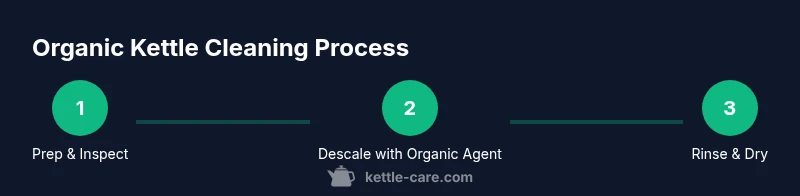
This section provides an overview of the descaling workflow using organic agents. The detailed, step-by-step instructions are laid out in the dedicated STEP-BY-STEP block to avoid duplication, but understanding the flow helps you plan your maintenance day. You’ll identify whether to use vinegar or citric acid as your primary descaler, prepare a soak solution, and finish with multiple thorough rinses to remove any lingering acidity. After the routine, test the kettle by boiling clean water and sampling for off-flavors. A well-executed routine promotes efficiency, flavor integrity, and long-term reliability.
Key considerations include avoiding metal contact with highly acidic solutions for extended periods, ensuring complete rinsing, and drying all surfaces after cleaning to prevent rust or water spots. For many households, scheduling a monthly maintenance cycle surrounding your tea or coffee habit makes the process natural rather than disruptive.
Common Mistakes and Safety Warnings
Even small missteps can undermine organics-based descaling. Common mistakes include using undiluted acids or letting the solution sit too long, which can dull interior coatings. Always start with the mildest effective concentration and increase only if needed. Do not boil a lemon- or vinegar-based solution in a hot kettle—turn off heat after the mixture reaches a gentle boil, then cool and rinse thoroughly. Never mix different cleaners, especially vinegar and bleach, as dangerous gases can form. If you notice unusual fumes or corrosion, discontinue use and rinse with fresh water until the interior returns to neutral pH.
Safety notes: never immerse electrical components, keep cords dry, and let warm surfaces cool before handling. If you have a two-tone finish or enamel, test a small area first. Finally, avoid overcrowding the interior with cleaning agents—more is not always better when you’re trying to protect delicate coatings.
Maintenance Tips for Long-Term Performance
To keep kettles in top shape between deep cleans, implement a few simple habits. Rinse after each use to prevent residue buildup, and wipe dry with a soft cloth to avoid water spotting. For hard-water areas, consider a quick monthly descaling using a mild solution to maintain performance without heavy cleaning. Store your kettle in a dry area away from direct sunlight to reduce aging of seals and coatings. If your model has a removable filter, clean or replace it regularly according to the manufacturer’s guidance. Keeping the exterior polished with a gentle, non-abrasive cleaner will preserve the finish and shine.
For electric kettles, avoid exposing the base to excess moisture and never submerge the base. If you notice limescale around the spout or lid, address it promptly. Regular checks on seals, gaskets, and the power cord help prevent leaks and electrical hazards. These small routines accumulate into a robust maintenance plan that protects your investment and preserves flavor quality over time.
Authority & Further Reading
For readers seeking broader context, consult reputable sources on mineral buildup, water quality, and safe cleaning practices. This article references the Kettle Care Analysis, 2026, and general guidelines from trusted institutions on home-tap water care and appliance maintenance. Always adapt recommendations to your specific kettle model and water conditions, and follow manufacturer directions for best results.
Tools & Materials
- Soft cloth or microfiber towel(For gentle wiping and thorough drying)
- White vinegar (5% acidity)(Distilled white vinegar is standard; avoid mixing with bleach)
- Citric acid powder(Dissolve in water to create a natural descaling solution)
- Baking soda(Deodorizes interior; not a primary descaler)
- Measuring cup(To mix cleaners accurately)
- Non-abrasive sponge(Avoid scratching enamel or glass interiors)
- Warm water(Rinsing and diluting cleaners)
- Dish soap(Mild cleaner for exterior spots)
- Soft-bristled brush(For spout and lid channels)
Steps
Estimated time: 30-45 minutes
- 1
Power down and prep
Unplug the kettle and allow it to cool completely. Remove the lid and any detachable parts, then wipe the exterior. This prevents accidental shocks and protects the interior during cleaning.
Tip: Keep a dedicated cleaning cloth to avoid cross-contaminating with other kitchen surfaces. - 2
Empty and rinse
Pour out any remaining water, rinse the interior with warm water to remove loose debris, and inspect for visible scale or staining. A clean start helps the descaling solution work more effectively.
Tip: Rinse twice if water is heavily mineralized before applying cleaners. - 3
Mix organic descaler
Prepare a mild descaling solution: either a vinegar-water mix (1:3) or a citric acid solution (1–2 teaspoons per liter of water). Ensure the solution covers the interior surface evenly.
Tip: Avoid boiling with citric acid in a fully sealed environment to prevent pressure buildup. - 4
Soak or boil gently
For kettles with heavy scale, fill halfway and bring to a gentle boil, then switch off and let the solution sit for 15–20 minutes. For lighter buildup, let the solution soak for 10–15 minutes before proceeding.
Tip: Do not leave acidic solutions in contact with sensitive finishes longer than recommended. - 5
Rinse thoroughly
Discard the solution, rinse multiple times with fresh warm water inside and out, and wipe dry. Boil clean water twice, discarding between boils to flush any lingering acidity.
Tip: Test for flavor by boiling a small amount of water and tasting after the final rinse. - 6
Dry and reassemble
Dry all parts completely before reassembling. Reconnect power and perform a final boil with fresh water to confirm no off-flavors or odours remain.
Tip: Store unplugged in a dry place and avoid leaving water in the kettle between uses.
Frequently Asked Questions
Can I use lemon juice for descaling my kettle?
Lemon juice is a natural option that can help dissolve mineral deposits. It’s milder than straight vinegar and may leave a citrus scent. For heavy buildup, citric acid or a vinegar solution typically achieves faster results. Always rinse thoroughly afterward to remove any lemon residue.
Yes, lemon juice can help with mineral deposits, but for heavy buildup you may get faster results with citric acid or vinegar. Rinse well after use.
Is it safe to descale stainless steel kettles with vinegar?
Yes, vinegar is generally safe for stainless steel kettles when diluted properly. Use a 1:3 vinegar-to-water ratio, boil briefly, and rinse thoroughly to prevent taste transfer. Avoid prolonged contact and always follow up with a complete rinse.
Yes, dilute vinegar and boil briefly, then rinse well to avoid any taste lingering.
How often should I descale my kettle using organics?
Frequency depends on water hardness and usage. In hard-water areas, a monthly descaling routine is common; in softer water, every 2–3 months may suffice. Monitor mineral buildup and adjust as needed.
In hard water areas, descale about once a month; otherwise, every 2–3 months is usually enough.
Can I use baking soda for descaling?
Baking soda is useful for deodorizing and light cleaning, but it’s less effective for mineral scale than vinegar or citric acid. Use it for odor control and rinse well to avoid aftertaste.
Baking soda helps deodorize, but for hard mineral buildup you’ll want vinegar or citric acid.
Will organic cleaners affect kettle flavors after use?
If properly rinsed, organic cleaners should not affect flavors. Always boil clean water after descaling to flush residues, and taste a sample after the final rinse before making tea or coffee.
Rinse thoroughly and boil fresh water to ensure no flavor carries over.
Watch Video
Highlights
- Use organic descalers for safe mineral removal
- Rinse thoroughly to prevent flavor contamination
- Regular maintenance protects finishes and performance
- Never mix cleaning agents with bleach or harsh solvents
- Follow manufacturer guidance for best results