Electric Kettle Pour Over: Mastering Safe, Consistent Brew
Master the electric kettle pour over with precise temperature, grind, and pour techniques. This comprehensive guide covers equipment, ratios, safety, and a full step-by-step process for repeatable, flavorful coffee at home.


Master a consistent electric kettle pour over by controlling water temperature, grind size, and pour rate. You'll need a gooseneck kettle, scale, precision grinder, and a timer for best results. Follow the step-by-step brew to optimize extraction and flavor.
Why electric kettle pour over matters
Pour-over coffee brewed with an electric kettle that provides precise temperature control offers reliable, repeatable results in a home kitchen. Maintaining a narrow temperature window reduces under- or over-extraction, yielding a cleaner cup with distinct aroma and sweetness. According to Kettle Care, consistent water delivery helps prevent channeling and ensures the coffee bed wets evenly. In practice, you’ll notice brighter clarity and balanced acidity when the brew parameters stay steady across batches. The goal is control, not guesswork, achieved with the right gear and a mindful routine. A typical home setup includes a gooseneck kettle and a quality scale because precision matters more than flashy gadgets. The kettle makes temperature control easy, but grind size, pour rate, and dwell time determine extraction. Keep notes on bean origin, roast level, and water quality so you can reproduce your best cup. The end result is a coffee with clean sweetness, moderate body, and a balanced finish rather than a one-note taste.
Essential equipment for electric kettle pour over
To execute a reliable pour over, you need the right tools. A gooseneck electric kettle with accurate temperature control gives you micro-pour precision. Pair it with a scale to measure dose and water-to-coffee ratio; a burr grinder ensures uniform particle size. A dripper (such as a V60 or Kalita) and compatible filters tailor flow and contact time. Keep a timer handy and maintain a clean kettle to avoid mineral buildup that can affect heat transfer and flavor. As a baseline, store your kettle in a dry area and descale regularly according to mineral content and usage. Regular cleaning helps maintain consistent temperatures and prevents off-flavors from old residues.
Temperature, time, and extraction basics
Water temperature controls extraction speed. For pour over, target brewing water around 92–96°C (198–205°F) once it contacts the grounds; preheat your kettle and cup to reduce temperature drop. Grind size influences surface area and flow: medium-fine works for most single-origin coffees, with a touch coarser or finer depending on the bean and roast. Bloom typically lasts 30–45 seconds; during this phase, wet the grounds just enough to see a gentle release of CO2 bubbles. Pouring too quickly risks under-extraction; too slowly can cause over-extraction and bitterness. A steady pour rate and even saturation are essential for balanced flavor.
Grind, dose, and brew ratio guidance
Consistent dose supports repeatable flavor. For a standard 250 ml cup, use about 16–18 grams of coffee, depending on roast and bean origin. A common starting ratio is 1:15 to 1:17 (coffee to water); adjust within that range as you refine flavor. Grind to resemble table salt for most beans, and tweak finer or coarser based on taste and equipment behavior. Maintain stable water temperature throughout the pour to prevent thermal shocks that alter extraction dynamics.
Step-by-step brewing overview
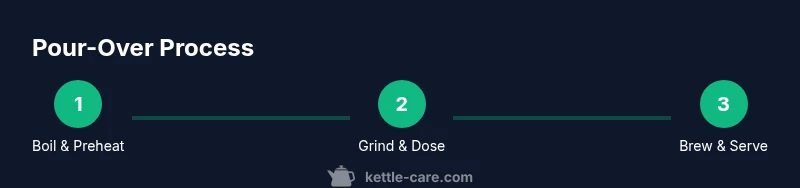
- Prepare gear and heat water: preheat kettle, dripper, and cup; set target temperature. 2) Weigh and grind: measure coffee and grind to the desired size; consistency matters more than absolute size. 3) Filter prep: place the filter in the dripper and rinse to remove papery taste while warming the brewer. 4) Bloom: add ground coffee and pour a small amount of hot water to saturate; wait 30–45 seconds for blooming. 5) Pour with intention: pour in slow, even circles to reach the target water level; avoid splashing. 6) Finish and drain: allow the brew to complete its drip, then remove the dripper and serve. 7) Clean and record: rinse equipment and log parameters for future improvements. 8) Refine for next batch: adjust grind, dose, or temperature based on taste results.
Troubleshooting common issues
If the brew tastes sour, check grind size and temperature—often too coarse or too cool. If the coffee tastes bitter, consider dialing back the temperature or extending contact time. Mineral buildup in kettles can slow heating and affect flavor; descale according to manufacturer guidelines or with a citric acid solution. Always unplug the kettle when not in use and keep cords away from water. Regular practice and noting results help you dial in a personal sweet spot.
Maintenance and care for your electric kettle
Descale your kettle every 1–2 months depending on mineral content and use. Use an appropriate descaler or a citric acid solution, then rinse thoroughly after descaling. Inspect the power cord and plug for wear, and keep the heating element clean to ensure efficient heating. A well-maintained kettle heats more quickly and maintains a steadier temperature during the pour-over process, contributing to flavor consistency.
Variations for different teas and beverages
The same disciplined approach applies to tea and herbal infusions that require precise temperatures and timed steeping. Use a suitable kettle and temperature settings based on tea type; adjust brew time accordingly. For bold coffees or flavored blends, you might experiment with a slightly finer grind or a slower pour to emphasize sweetness and body while avoiding bitterness.
Tools & Materials
- Electric kettle with temperature control(Gooseneck preferred for precise pour; ensure it maintains set temp during the brew.)
- Digital kitchen scale(0.1 g accuracy; tare the scale with the dripper in place.)
- Burr grinder(Grind just before brewing for maximum aroma; set to medium-fine.)
- Pour-over dripper (e.g., V60 or Kalita)(Use standard paper filters or metal filter; ensure compatibility.)
- Filters(Rinse to remove papery taste; keep spare filters on hand.)
- Kettle-friendly carafe or mug(Preheat to keep brew hot longer.)
- Timer(Optional if your scale has a timer function.)
- Filtered water (optional but recommended)(Water quality affects extraction and flavor.)
Steps
Estimated time: 25-40 minutes
- 1
Prepare gear and heat water
Plug in the kettle and set your target temperature (92–96°C). Rinse the filter and dripper to remove papery taste and preheat the brewing vessel. This reduces thermal loss and helps you maintain a stable brewing environment.
Tip: Preheating improves temperature stability throughout the pour. - 2
Weigh and grind coffee
Weigh the coffee dose (16–18 g for a 250 ml cup) and grind to a medium-fine texture similar to table salt. Grind just before brewing to preserve aroma and flavor compounds.
Tip: Small changes in grind size have big effects on extraction. - 3
Prepare the filter and tare the scale
Place the filter in the dripper and rinse it to remove papery taste. Tare the scale with the empty dripper so you measure only water during the brew.
Tip: Taring ensures accurate dose and water yield. - 4
Bloom the coffee
Add ground coffee and start a small, even pour to saturate. Wait 30–45 seconds to allow CO2 to escape and for the bed to pre-wet evenly.
Tip: A uniform bloom improves extraction surface area. - 5
Pour in rounds
Begin slow, circular pours, maintaining a steady rate until you reach the target yield. Pause briefly if the flow speeds up, then resume to keep saturation even.
Tip: Consistency in pour rate is more important than chase for speed. - 6
Finish the pour and let it drain
Complete the pour and allow the brew to finish draining. Remove the dripper once dripping ends to avoid over-extraction from extended contact.
Tip: Don’t rush; give the bed time to drain naturally. - 7
Serve and clean
Pour the coffee into a preheated cup, then rinse the dripper, scale, and kettle. Dry all parts before storage to prevent mineral buildup.
Tip: Cleaning promptly preserves flavor and equipment performance. - 8
Record and adjust for next brew
Note grind size, dose, water temperature, and pour rate. Use these notes to adjust for your next cup for a targeted flavor profile.
Tip: Small iterative changes lead to the best personal brew.
Frequently Asked Questions
What temperature should I heat water to for pour-over coffee?
Aim for about 92–96°C (198–205°F) after water hits the grounds. Temperature stability is key for balanced extraction.
Aim for around ninety-two to ninety-six degrees Celsius after the water touches the grounds. Stability is essential for balanced flavor.
Is a gooseneck kettle necessary for pour-over?
A gooseneck spout helps control flow rate precisely and prevent splashing. It’s not strictly required but highly recommended for even extraction.
A gooseneck kettle helps control the pour precisely. It’s highly recommended for even extraction.
Can I use a regular kettle for pour-over coffee?
You can, but you’ll have less control over pour rate. If you don’t own a gooseneck, practice slow, steady pours with careful tilting.
A regular kettle can work, but you’ll sacrifice pour control. Practice slow, steady tilts.
How long should the bloom last?
Bloom typically lasts 30–45 seconds. If your coffee isn’t blooming, grind finer or adjust dose to improve wetted surface area.
Bloom should be about 30 to 45 seconds. If it’s long, adjust grind and dose.
How often should I descale my electric kettle?
Descale based on mineral content and use. If you notice slower heating, descale or use filtered water.
Descale when mineral buildup slows heating. Use filtered water to minimize buildup.
What grind size works best for pour-over with an electric kettle?
Start with a medium-fine grind; adjust coarser or finer based on extraction and taste. Consistency in grind is more important than exact size.
Start with a medium-fine grind and adjust as needed for taste.
Watch Video
Highlights
- Control temperature for consistent extraction.
- Use a gooseneck kettle for precise pours.
- Grind size and bloom time drive flavor.
- Preheat gear to minimize heat loss.
- Descale kettle regularly to maintain performance.