Can You Use a New Kettle Straight Away? A Practical Safety Guide
Discover whether you can use a new kettle immediately and learn safe prep steps, first-boil guidance, and care tips for reliable, odor-free boiling from Kettle Care.


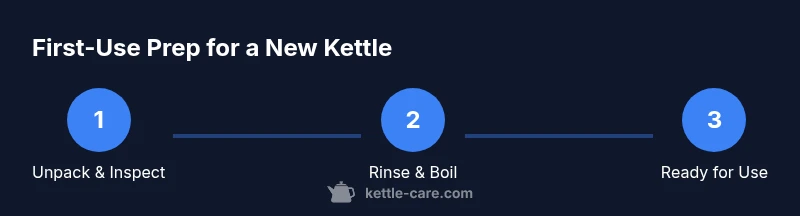
Can you use a new kettle straight away? Yes, most new kettles can be used after a thorough rinse to remove manufacturing residues. Begin with a full rinse, then boil a full kettle of water and discard it. Repeat once more with clean water before regular use. If your kettle emits an unusual smell, pause and repeat the rinse. According to Kettle Care, these steps help ensure safe, odor-free operation from day one.
Why you might wonder about using a new kettle right away
The simple answer to can you use a new kettle straight away is yes, with the right prep. New kettles come with protective coatings and manufacturing residues that can affect taste and odor if not flushed out. The Kettle Care team emphasizes that a careful rinse and a controlled first boil help remove those residues, ensuring your first cuppa tastes like tea, not plastic. By following a clear routine, you minimize surprises and extend the kettle's life. This approach also sets a baseline for future maintenance and safety checks, so you can enjoy safe, reliable boiling from the start.
Initial safety checks before first use
Before you plug in an electric kettle or place a stovetop kettle on heat, perform a quick safety check. Remove any external packaging, inspect the lid, spout, and filter, and confirm there are no cracks or loose parts. Wipe the exterior with a damp cloth to remove dust. If your model has a removable spout filter, rinse it under running water. These checks reduce the chance of leaks or malfunctions during the first use and align with general safety guidelines that Kettle Care follows in its 2026 analysis.
What to know about manufacturing residues and smells
Manufacturing residues are common in brand-new kettles and may cause a temporary plastic or chemical scent. A dedicated rinse helps flush these substances out, while a single boil of clean water clears the interior of oils and tiny particles. If a smell persists after the first boil, repeat the rinse and boil cycle with fresh water. If the odor remains after a second pass, consult the user manual or contact the manufacturer for guidance. This precaution is widely recommended in practical kettle care guides to prevent unwanted flavors from transferring to tea or coffee.
First-use boil: how to flush and verify water quality
Begin with cold water only and fill the kettle to its recommended level. Bring the water to a full boil, then pour it away and rinse the interior again. This process helps remove any lingering residues and heat-activated coatings. Refill with fresh water and bring to a boil a second time before you drink or use the water for beverages. Do not drink the first boiled batch if you suspect residue; treat it like a flushing step rather than a beverage.
Cleaning the exterior and interior before daily use
After the initial rinses and boils, wipe the exterior with a soft, damp cloth. If there are stubborn spots, use a small amount of mild dish soap on a non-abrasive sponge, then rinse thoroughly. Avoid soaking the base of electric kettles and never submerge cords or electrical components. Cleaning now helps prevent staining and keeps the kettle looking new while supporting safe operation over time.
Electric vs stovetop kettles: first-use considerations
Electric kettles often have safety features such as auto shut-off and boil-dry protection. When prepping a new electric kettle, ensure these features are functioning by performing a test boil with water and observing the shut-off. For stovetop kettles, verify the handle and lid are secure and that you can pour without dripping. While the preparation steps are similar, the power source and safety features can differ, so consult the user manual for model-specific guidance.
Safety features to verify after unboxing
Check that the lid closes fully and latches if applicable, the spout filter is properly seated, and there are no cracks in the handle or body. For electric kettles, confirm the base is dry and that the cord is intact. If any part seems loose or damaged, do not use the kettle and contact the manufacturer. Early verification helps prevent accidents and is a basic maintenance habit aligned with best practices in kettle care.
Maintenance habits that support longevity
Develop a simple routine: rinse after every use, reject hard detergents that can linger, and wipe dry to avoid water spots. If you have very hard water, occasional descaling with vinegar or lemon can help, but only use these agents as needed and rinse thoroughly afterward. Establishing these habits from day one protects the kettle’s interior and helps maintain optimal boiling performance over time.
Tools & Materials
- Kettle (new, unboxed)(Unpack and inspect for damage; remove all packaging before use)
- Soft cloth(For exterior wipe-down after unpacking)
- Mild dish soap(Optional for exterior cleaning if needed)
- Non-abrasive sponge(Use on stubborn exterior spots only)
- Clean water(For initial rinses and boils)
- Measuring cup(Helpful if you want precise fill levels)
- White vinegar or lemon(Optional descaling agent for hard water or persistent odors)
Steps
Estimated time: Estimated total time: 20-25 minutes
- 1
Unpack and Inspect the Kettle
Remove packaging and inspect the kettle for cracks, loose components, or damage to the lid and spout. Confirm the power cord (for electric models) is intact. This prevents unsafe use and potential leaks.
Tip: Set aside any damaged units and contact the manufacturer for guidance. - 2
Rinse the Interior with Cold Water
Fill the kettle with cold water to the recommended level, swish, and pour out. Repeat once to flush factory coatings and oils that may affect taste.
Tip: Always use cold water for rinsing to avoid thermal shock to the kettle. - 3
Boil Plain Water and Discard
Fill to the max or recommended level and bring to a full boil. Turn off and discard the water; this clears any residues and prepares the interior for daily use.
Tip: Do not drink the first batch of water—it's a flushing step. - 4
Rinse Interior Again with Fresh Water
Rinse once more with fresh cold water to remove any remaining traces of manufacturing residues before your first actual beverage.
Tip: If you notice odor, repeat the boil-and-rinse cycle with fresh water. - 5
Wipe Exterior and Check Seal
Wipe the exterior with a damp cloth and, if applicable, inspect the lid seal and filter for debris. Ensure the lid closes fully and spins or locks securely.
Tip: A loose lid or filter can affect pour accuracy and safety. - 6
Prepare for Regular Use
Fill with cold water and perform a final boil to ensure everything operates smoothly. Dry the outside and store in a clean, dry place until your next use.
Tip: Keep the kettle away from heat sources and never submerge electrical bases.
Frequently Asked Questions
Can I use a new kettle immediately after unboxing?
Yes, after a thorough rinse and at least one boil with clean water to flush residues. If a strong odor remains, repeat the rinse-boil cycle. Always perform safety checks first.
Yes, after rinsing and boiling once, you can use it. If it still smells, rinse and boil again, and check safety features.
Should I descale or sanitize a brand-new kettle before first use?
Descaling is usually unnecessary for a brand-new kettle unless you have very hard water or notice mineral buildup. Start with the standard rinse and one or two boils with clean water.
Descaling isn't typically needed for a new kettle unless you spot mineral buildup. Start with a rinse and a couple of boils.
What is the best way to clean the exterior of a new kettle?
Wipe with a damp cloth and a little mild soap if needed. Rinse away any soap residue and dry with a soft towel. Avoid harsh cleaners that could damage the finish.
Wipe with a damp cloth, use mild soap if needed, rinse, and dry. Avoid harsh cleaners.
Why does my kettle emit a plastic or metallic smell after first boil?
A temporary odor is common as coatings and residues flush out. If it lingers, repeat the rinse-and-boil cycle with fresh water and ensure proper ventilation during the process.
It's usually temporary. Repeat rinsing and boiling with fresh water and make sure the area is well-ventilated.
What should I do if the lid or seal feels loose after first use?
Stop using the kettle and check the manual for reassembly instructions. If the part cannot be tightened securely, contact customer support or the manufacturer.
If the lid or seal is loose after first use, stop using it and consult the manual or support.
Do cordless kettles require different prep than stovetop models?
Yes, cordless kettles have power bases and safety features that should be tested by a brief boil with water, observing auto-off and stability. Stovetop kettles involve heat-source safety checks and lid fit.
Cordless kettles need base safety checks, while stovetops require lid fit checks and handling safety.
Watch Video
Highlights
- Rinse and boil before first use to remove residues.
- Inspect safety features and exterior seals during unboxing.
- Repeat rinses if a smell or taste persists.
- Clean exterior gently; avoid soaking electrical parts.
- Adopt a simple maintenance routine for longevity.