Smoke Ribs on a Weber Kettle: A Practical Guide
Learn to smoke pork ribs on a Weber kettle with steady heat, proper wood, and a reliable rhythm. This guide covers prep, setup, temperature control, wrapping, resting, and safety for delicious, tender results.


Master the art of smoking ribs on a Weber kettle with a reliable, repeatable method. Start with a balanced rub, proper wood, and indirect heat. This guide walks you through setup, temperature control, moisture management, and finishing touches so your ribs come out tender, smoky, and consistently delicious. With careful vent management and a simple wrap option, you can repeat this success any weekend.
Introduction to Smoking Ribs on a Weber Kettle
Smoking ribs on a Weber kettle is a classic backyard technique that yields deep, resonant smoke flavor with a tender, barked crust. If you're new to kettle cooking, the key is controlling heat, moisture, and smoke in a compact space. According to Kettle Care, the best results come from a steady, indirect heat setup and a thoughtful plan for rub, wood, and resting. If you're wondering how to smoke ribs weber kettle style, this guide will walk you through every stage—from prep to plate. The technique favors patience and method: small, deliberate steps performed well produce consistent results. Kettle Care analysis shows that maintaining a stable 225-250°F range yields the best bark, tenderness, and smoke penetration for pork ribs. That sensible target minimizes flare-ups and keeps your meat juicy. Throughout, you’ll learn how to manage vents, water pan, and lid position so temps stay steady even when weather isn’t perfect. By the end, you’ll see why this method remains beloved by home cooks and tea lovers alike.
Why this method works for smoke ribs weber kettle
The Weber kettle’s compact footprint forces discipline: you control airflow to tune temperature, you position a water-pan for moisture, and you apply wood for flavor without overwhelming the pork. The result is a reliable cook with predictable texture and a balanced smoke ring. For best results, plan for a two-zone setup and keep the meat away from direct heat while you coax collagen to melt. This approach works equally well for weekend cooks and weeknight impromptu smoking sessions, as long as you maintain your temps and monitor your wood fuel.
Brand guidance and safety notes
As you work through the steps, keep safety front and center. Use heat-resistant gloves when handling hot grates or the lid, and never leave a lit grill unattended in windy conditions. The Kettle Care team emphasizes calm, consistent motion rather than chasing temps. If you see significant temp drift, pause, adjust vents, and let the grill settle before continuing.
Tools & Materials
- Weber kettle grill (22-inch)(Ensure vents move freely and the grate is clean.)
- Charcoal briquettes or lump charcoal(Plan for a steady burn long enough to sustain indirect cooking for 3-4 hours.)
- Wood chunks or wood chips (hickory, oak, apple, or cherry)(Use chunks for longer smoke; chips can be used in a foil pouch for quick bursts.)
- Water pan (metal or disposable aluminum)(Fill with water or a light juice/water mix to add moisture during the cook.)
- Rib rack or extra grate (optional)(Helps fit more ribs and increases surface area for smoke contact.)
- Aluminum foil or butcher paper(For wrapping during the tenderizing stage.)
- Meat thermometer (instant-read or probe)(Place in the thickest part of the meat, away from bone.)
- Tongs and heat-resistant gloves(Vital for safe handling of hot meat and grill parts.)
- Spray bottle with water or apple juice(Light spritzing helps maintain surface moisture and bark.)
- Paper towels(Keep your station clean and dry; quick wipe-downs prevent slips.)
- Meat rub ingredients (salt, sugar, paprika, garlic, chili, etc.)(Balanced rub tailored to taste; consider adding brown sugar for bark.)
- Timer or smartphone with alarm(Track cook intervals and rest periods.)
- Grill brush or scraper(Clean grate between rounds for even smoke contact.)
Steps
Estimated time: 3-4 hours
- 1
Prepare the ribs
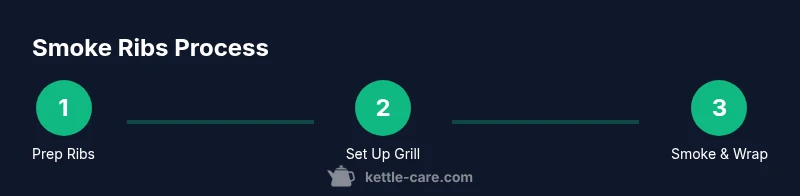
Trim excess fat and remove the silver skin from the bone side. Pat dry and apply a thin binder (optional mustard, then rub) to help the seasoning adhere. Coat evenly with your chosen rib rub, aiming for a balanced mix of sweetness, salt, and spice. Let the rub set while you prep the grill.
Tip: Binder helps rub adhere; don’t over-apply—too much moisture can dull bark. - 2
Build the fire and prep the grill
Light charcoal and arrange for indirect cooking by banking coals to the sides of the grill. Place a water pan in the center to add moisture and stabilize temperature. If using a rib rack, position it above the water pan, bone-side down, to maximize smoke exposure.
Tip: Two-zone setup reduces flare-ups and keeps the meat away from direct heat. - 3
Set up indirect cooking on the Weber
Set the vents to create a gentle draft that holds the grill around 225-250°F. Place the upper grate and, if using, a rib rack. Position the meat away from the hot coals and keep the lid closed as much as possible to maintain a stable environment.
Tip: Avoid peeking every few minutes; each lid lift can drop temps by several degrees. - 4
Add smoke and monitor temperature
Add your chosen wood supply to the coals to begin smoke. Place the ribs on the grate bone-side down. Maintain a steady temperature, and spritz lightly every 30-60 minutes to keep the surface moist and promote bark formation.
Tip: Wood choice matters: fruitwoods give a milder smoke that pairs well with pork. - 5
First wrap for tenderness
After about 2 hours, inspect the bark. If it’s set but not too dry, wrap the ribs in foil or butcher paper with a splash of liquid (apple juice or broth) to trap moisture and accelerate tenderness. Return to the cooker and continue cooking until internal temperature approaches 195-203°F.
Tip: Wrap helps tenderize joints and keeps moisture inside; avoid over-wrapping if you want a firmer bark. - 6
Unwrap, glaze, and finish
Unwrap the ribs, apply a light glaze or sauce if desired, and cook for another 15-30 minutes to set the finish. Keep lid on during glaze to protect temp stability. Check for internal tenderness by twisting a rib—it should yield but not break.
Tip: A final glaze should glaze, not soak; too much sauce can mask bark. - 7
Rest and slice
Remove from heat and rest the ribs 10-20 minutes before slicing between the bones. Resting allows juices to redistribute, resulting in juicier slices. Slice against the grain and serve promptly.
Tip: Rest time is part of the cook; skipping it will cost you juiciness. - 8
Safety and cleanup
Turn off and cool the grill before moving or cleaning. Scrape the grate, wash tools, and store leftovers promptly. Always use heat-resistant gloves when handling hot components.
Tip: Cool, safe cleanup prevents accidents and keeps your equipment ready for the next cook.
Frequently Asked Questions
Can I use a different grill than a Weber kettle?
Yes. You can adapt the method to other grills (gas, charcoal, or pellet) by creating a two-zone setup, maintaining indirect heat, and using a water pan for moisture. Adjust vents and wood according to the grill’s heat behavior.
You can adapt this method to other grills; just keep indirect heat, a water pan, and controlled vents.
What wood is best for pork ribs on a kettle?
Fruitwoods like apple or cherry provide mild sweetness that complements pork, while hickory adds a stronger smoke. A small amount of wood is often enough on a kettle; start with a couple of chunks and adjust in future cooks.
Apple or cherry gives a gentle, fruity smoke; use just a couple of chunks to start.
How long do ribs take on a Weber kettle?
Most cooks reach tenderness after about 3-4 hours at a steady 225-250°F, with additional wrapping if needed. Times vary with rib size and ambient temperature.
Around three to four hours of steady heat; temperatures and rib size may shift timing.
Should I wrap ribs during the cook?
Wrapping helps tenderize the meat by trapping moisture. Wrap when the bark is set but you want to push past the stall and soften connective tissue. Unwrap toward the end to re-bark if desired.
Wrapping locks in moisture and speeds tenderness; unwrap later if you want more bark.
What is the best resting time after pulling ribs?
Rest for about 10-20 minutes after removing from heat. Resting redistributes juices, improving slice quality and tenderness.
Let the ribs rest for about 10-20 minutes before slicing.
Watch Video
Highlights
- Plan a stable 225-250°F cook window from start to finish.
- Use indirect heat and moisture to balance bark and tenderness.
- Wrap at the right moment to push tenderness without losing bark.
- Rest the ribs before slicing to maximize juiciness.
- Maintain safety and cleanliness for consistent results.