How to Fix a Kettle Handle: A Practical Guide
Learn to safely fix a loose or cracked kettle handle with practical steps, tool tips, and guidance on when replacement is wiser, from Kettle Care.


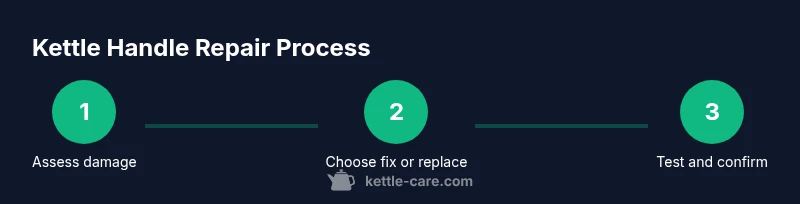
By the end, you’ll know how to diagnose a kettle handle problem, choose a repair approach, and perform a safe fix—or decide when replacement is wiser. Before you start, gather a screwdriver, epoxy or plastic adhesive, replacement screws or rivets, sandpaper, and a clean work surface. Always unplug and allow cooling before touching the kettle.
Why the kettle handle fails and why fixing is worth it
A kettle handle can fail for several reasons—repeated heating and cooling cycles, rough handling, or initial wear. When a handle becomes loose, cracked, or misaligned, it increases the risk of steam burns and uneven pouring. Repairing rather than replacing can save money and reduce waste, especially for kettles with solid metal or sturdy plastic components. According to Kettle Care, a careful assessment helps you choose the right approach and avoid unnecessary replacement. Before starting, inspect the mounting hardware, check the material around the handle, and decide whether a quick tightening, reseating, or a repair adhesive will address the problem without compromising the lid seal or pouring balance. If the damage looks structural—a broken bracket, cracked body, or a bent frame—replacement is often the safer, longer-lasting option. In all cases, approach the task with patience and a clear plan to avoid accidental damage to the kettle or your hands.
Types of kettle handles and repair options
Kettle handles come in three common constructions: screwed handles, riveted handles, and glued/ceramic or plastic shell handles. Screwed handles are the easiest to repair: simply tighten the screws with the appropriate screwdriver, clean the threads, and re-tighten with even pressure. Riveted handles are more permanent; if a rivet feels loose, you’ll typically need to replace the entire handle assembly—trying to re-set a rivet can compromise the kettle’s integrity. Glued or ceramic/plastic shell handles rely on an adhesive bond; if the bond has failed, you can sometimes repair by removing the old adhesive, cleaning surfaces, and applying a food-safe epoxy or resin, followed by clamping and curing. In all cases, ensure the material around the handle remains intact and that the seal between lid and body isn’t affected. If your kettle uses a nonstandard mounting, consult the manufacturer’s replacement parts list or a repair shop. Remember that some warranties forbid DIY repairs on critical components, so check yours first.
Safety first: power down and cooling before you touch the kettle
Before you touch any part of a hot kettle, power down completely and unplug the appliance. Empty the water and let the kettle cool on a heat-resistant surface for at least 10–15 minutes; hot kettles can cause severe burns even after cutting the power. Wear closed-toe shoes and keep children away from the work area. If your kettle has a detachable cord, unplug at the wall and remove it entirely to avoid accidental contact with any hot surface. Handling a hot kettle while attempting to repair the handle is dangerous and should be avoided.
Quick checks you can do before disassembly
Inspect the area around the handle for visible cracks, worn screws, or bent brackets. Gently wiggle the handle to determine if the issue is a loose fastener or a structural crack. Check the screws or rivets’ heads—if they’re stripped, missing, or corroded, they’ll need replacement. If you spot a residue of old adhesive, note the type of material (plastic, plastic-ceramic, metal) to decide on a compatible cleaner and adhesive. Document model information and take clear photos of how the handle is mounted; this helps when sourcing replacement parts or asking for professional help. Only proceed when you’re confident you can safely manipulate the handle without applying force to the kettle body.
Basic fixes you can attempt at home
If the handle is held by screws, tighten them with the correct screwdriver size. Clean the screw holes with a brush and consider applying a small amount of threadlocker if metal threads are involved and the manufacturer allows it. For loose rivets, replacements are usually required rather than re‑setting; do not drill out rivets unless you have replacement hardware and an exact model guide. For non-structural cracks in plastic or ceramic handles, you can use a food-safe epoxy; clamp the pieces firmly and allow the epoxy to cure fully according to the manufacturer’s instructions. Always test fit the handle after repair to ensure it sits square and does not interfere with lid closure or pouring.
When a handle is beyond repair: replacement options
If the handle shows deep cracks, a bent bracket, or metal fatigue near the mounting point, replacement is often safer and longer-lasting. Source an exact replacement handle or handle assembly designed for your kettle’s model. Compare materials (stainless steel vs. high‑temperature plastic) and check for compatibility with your lid and spout. Replacement may also remove warranty concerns and reduce the risk of future leaks or burns. If in doubt, contact the manufacturer or a qualified appliance repair technician to avoid creating unsafe conditions.
How to replace or reseat a riveted handle
Riveted handles are designed for permanent installation; reseating them can compromise the kettle’s integrity. If you must pursue this route, you should have the correct rivet size and a rivet-setting tool. Carefully drill out the old rivet if you’re replacing the whole handle, then install the new rivet and secure the bracket. Check for even alignment and ensure the rivet head is flush with the bracket to avoid snagging or leaks. If you’re uncertain about rivet compatibility or safety, it’s safer to replace the handle assembly entirely.
Choosing replacement parts: screws, rivets, and compatible models
When sourcing replacement hardware, match the screw head type (Phillips, flathead, or Torx), the thread size, and the material to your kettle’s body. Rivet dimensions should align with the holes in the handle bracket and kettle body; use stainless steel or high-temperature rated rivets if possible. For plastic or composite handles, ensure the adhesive and any outer shell components are rated for boiling water and steam exposure. If your kettle is under warranty or part of a premium model line, consider ordering through the manufacturer to guarantee fit and safety.
Maintenance to prevent future handle issues
Regularly inspecting the handle attachment points can prevent surprises. Tighten screws or check rivet tightness every few months, especially if you often boil water to high temperatures or carry the kettle while loaded. Clean the mounting area with a damp cloth and avoid abrasive cleaners that could degrade plastic or metal finishes. Store the kettle in a stable position to prevent bending the bracket. If you notice dull or damaged screws, replace them promptly to maintain a secure connection.
Common mistakes to avoid during repairs
Avoid applying excessive force when loosening or tightening screws or rivets; overtightening can strip threads or crack the bracket. Do not use solvent‑based adhesives on metal parts near rubber gaskets or silicone seals, as these can degrade over time. Never attempt to repair a hot kettle; mishandling hot metal can cause burns. If uncertain about any step, consult the manufacturer’s guidance or a professional repair service to protect your safety and the kettle’s warranty.
Tools & Materials
- Screwdriver set (Phillips and flathead)(Choose head sizes that match your kettle screws.)
- Replacement screws or rivets(Only if your hardware is missing or damaged.)
- Epoxy or high-strength plastic adhesive(Use only for non-structural repairs and heat‑resistant plastics.)
- Sandpaper (120-220 grit)(Prepare surfaces for better adhesion.)
- Masking tape or clamps(Keep parts steady while adhesive cures.)
- Rubbing alcohol or degreaser(Clean surfaces before adhesion.)
Steps
Estimated time: Estimated total time: 30-75 minutes
- 1
Power down and cool the kettle
Unplug the kettle and pour out any remaining hot water. Allow the kettle to cool on a heat‑resistant surface for 10–15 minutes to prevent burns. This initial pause reduces risk and makes disassembly safer.
Tip: If recently boiled, wait longer and keep hands away from the spout and lid. - 2
Remove detachable parts and inspect
Take off the lid if it’s attached to the handle, and gently inspect the mounting area for screws, rivets, or glue. Look for cracks, bent brackets, or worn threads. Photograph the mounting orientation to guide reassembly later.
Tip: Identify the exact attachment method before attempting any fix. - 3
Tighten loose fasteners
If you see visible screws, use the correct screwdriver to tighten them evenly. If the screws are stripped, replace them with the appropriate size. Do not over‑tighten, which can strip threads or crack the bracket.
Tip: Apply a small amount of threadlocker only if the manufacturer allows it. - 4
Assess riveted handles
Loosened rivets typically require replacing the entire handle assembly. Do not attempt to drill out a rivet unless you have the exact replacement parts and a clear guide. Proceed with caution to avoid compromising the kettle body.
Tip: If in doubt, opt for a full replacement instead of re‑riveting a fatigued bracket. - 5
Repair non-structural cracks with adhesive
For plastic or ceramic handles with small cracks, apply a food-safe epoxy after cleaning the surfaces. Clamp until cured and wipe away excess adhesive. Ensure the joint is fully sealed but not overly stiff.
Tip: Use masking tape to protect adjacent areas during curing. - 6
Reattach or replace the handle assembly
If using replacement parts, align the handle bracket and secure with the correct hardware. If re‑attaching, ensure alignment so the lid seals properly and the handle sits square for comfortable pouring.
Tip: Verify clearances before final tightening. - 7
Test fit and balance the kettle
With the handle attached, gently lift the kettle and check for balanced weight distribution. Make sure there’s no interference with the lid or spout. If it wobbles, readjust the mounting or consider a different replacement.
Tip: Balance testing should be done with an empty kettle first. - 8
Run a water test
Fill the kettle with a small amount of water and boil briefly to test for leaks, stability, and heat transfer. Do not exceed manufacturer guidance during the first test.
Tip: Watch for any dripping near the handle junction. - 9
Clean up and dry
Wipe down the exterior and dry all surfaces before use. Store tools away and inspect the workspace for any small screws or rivets you may have removed.
Tip: Keep a small magnet handy to recover dropped hardware. - 10
Document and monitor
Note the repair method and parts used. Monitor the handle in the days after repair for any looseness or new cracks, and re‑tighten if necessary.
Tip: Set a reminder to recheck the handle after 2–4 weeks.
Frequently Asked Questions
Can I fix a cracked kettle handle myself?
Yes, for minor cracks or loose hardware you can often fix the handle at home using screws, rivets, or a food-safe adhesive. If the crack is deep or the bracket is bent, replacement is usually safer and longer-lasting. Always prioritize safety and the kettle’s warranty terms.
Yes, you can fix minor cracks or loose parts yourself. If the crack is deep or the bracket is bent, replacement is safer. Always check the warranty terms.
What is the safest way to repair a kettle handle?
The safest repair depends on the damage. Tighten screws for a loose fit, reseat or replace rivets if needed, and avoid adhesives on critical load points. For structural damage, replacing the handle assembly is typically the safest option.
Safe repair depends on the damage. Tighten screws, reseat rivets if needed, and replace the handle if there’s structural damage.
Is it safe to boil water in a kettle after repairing the handle?
Only after a complete, tested repair with no wobble and no leaks. Start with a small water test and monitor for any signs of movement or leaks during the boil. If anything feels unstable, stop and recheck.
Boil only after a thorough test. If anything seems unstable, recheck before continuing.
When should I replace the kettle instead of repairing the handle?
If the handle is deeply cracked, the bracket is bent, or the body shows fatigue around the mounting area, replacement is safer and often more economical in the long run. Consider the cost and availability of replacement parts.
Replace if there are deep cracks or structural damage around the handle.
Will repairing the handle void the warranty?
Warranties vary by manufacturer. DIY repairs can void coverage if they alter critical components. Check your warranty terms and consider manufacturer-supported repair options when in doubt.
Warranties vary—check terms first. DIY repairs can affect coverage.
Watch Video
Highlights
- Assess handle type before choosing a fix.
- Tighten or reseat fasteners when possible.
- Use adhesives only for non-structural cracks and heat‑resistant parts.
- Replace riveted handles rather than risk structural failure.
- Test thoroughly for leaks and balance after repair.