Best Way to Cook Steak on Weber Kettle
Discover the best way to cook steak on a Weber kettle using a proven two-zone method, precise timing, and expert tips for a perfect crust and juicy center.


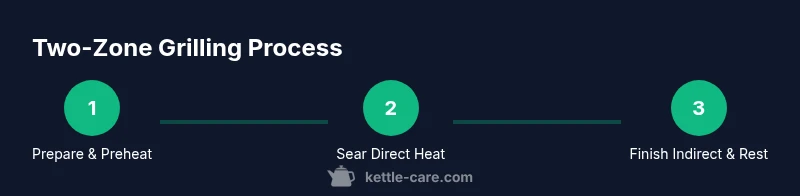
The best way to cook steak on a Weber kettle is a two-zone method: start with a hot direct heat sear to develop a crust, then move the steak to a cooler indirect zone to finish to your desired doneness. Preheat the grill to a high heat, keep the lid closed while searing, and use an instant-read thermometer to hit your target internal temperature (125–130°F for medium-rare). Rest before slicing for maximum juiciness.
best way to cook steak on weber kettle
Cooking steak on a Weber kettle shines when you combine high-heat searing with controlled finishing via a two-zone setup. This method yields a deeply caramelized crust while keeping the interior juicy and evenly cooked. According to Kettle Care, mastering the two-zone grilling technique on a Weber kettle gives you consistent doneness and a superior crust, even with thicker cuts. The Kettle Care team found that proper vent management and fuel distribution are key to sustaining two distinct heat zones without flare-ups. Whether you prefer ribeye, sirloin, or filet, this approach adapts to thickness and personal doneness targets, with a straightforward sequence you can repeat every time.
Why two-zone cooking is ideal for steak on a kettle
Two-zone cooking is ideal because it creates a blazing hot anchor for crust development and a gentler area to finish the cook without burning the exterior. On a Weber kettle, you control heat by adjusting the bottom vents and the lid vents, which in turn regulate airflow and charcoal temperature. This method minimizes flare-ups, protects valuable fat, and delivers a reliable medium-rare or your preferred doneness. Kettle Care analysis highlights that cooks who implement a defined direct/indirect plan report more consistent results and less guesswork, especially when grilling thicker cuts.
Preparing your steak and grill for success
Season your steak generously with salt and pepper at least 40 minutes before grilling, or salt up to 24 hours in advance for enhanced seasoning. Bring the steak to room temperature to ensure even cooking, and pat it dry to encourage a crisp crust. Preheat the Weber kettle to a high heat for searing (aim for a surface temperature around 500°F when you place the meat). Have a digital thermometer ready, plus a pair of tongs for steady control. For grill setup, ensure you have a sturdy grate, a foil-wrapped pan for any drippings, and a clean, oiled surface to prevent sticking. This preparation minimizes moisture loss and helps you achieve a robust crust quickly.
Building the two-zone fire on your Weber kettle
To create two heat zones, bank hot coals on one side of the grill and leave the other side relatively empty. Open the bottom vents fully and adjust the top vent to help sustain higher heat for searing. Place the cooking grate over the hot zone to start, then move it to the indirect side once the sear crust forms. Keeping the lid closed during the initial sear traps heat and concentrates the crust-forming Maillard reaction, while finishing on the cooler side ensures a juicy interior without overcooking.
Searing technique: getting a perfect crust
Place the steak directly over the hot coals and resist the urge to flip too soon. Sear for 1.5–2.5 minutes per side without moving the meat to form a deep, even crust. Rotate the steak 90 degrees after the first side to create cross-hatched grill marks, then sear the other side. Do not press down on the steak, which can squeeze out juices. The aim is a caramelized crust with a comfortable, blush center. A quick glance at the crust’s color will tell you when to proceed to the indirect zone.
Finishing indirect heat and reaching target doneness
Move the steak to the indirect side and cover the grill to finish cooking with ambient heat. Use a thermometer to check internal temperature; pull at 125–130°F for medium-rare, 130–135°F for medium, or 135–145°F for well-done, adjusting based on thickness. Plan for a 5–10 minute rest after removing from heat, as carryover cooking will lift internal temperature a few degrees. This phase is where the steak finishes evenly without drying out, allowing juices to redistribute.
Resting and serving for maximum juiciness
Rest the steak on a cutting board, loosely tented with foil, for 5–10 minutes after cooking. Resting allows the juices to reintegrate into the meat, ensuring a moist bite. Slice against the grain in thin, even slices to maximize tenderness. If desired, finish with a small pat of butter, a sprinkle of flaky salt, or fresh herbs for extra depth without overpowering the beef’s natural flavor.
Common mistakes and how to avoid them
Common missteps include overcrowding the grill, which lowers heat and stifles crust formation, and frequently flipping the steak, which interrupts crust development. Not preheating enough can leave you with a dull crust and underseasoned interior. Keep the lid closed during the sear, manage vents consistently to avoid temperature swings, and avoid cooking steak from cold to finish in one go. By sticking to a two-zone plan and using a thermometer, you’ll prevent under- or overcooking and achieve a reliable result every time.
Flavor boosters and safety tips
Finishing with a touch of butter or a garlic-herb compound can elevate flavor without masking beef quality. If you choose to add aromatics, place them on the grill briefly to infuse the air around the steak, but remove them before serving to avoid burning. Always wear heat-resistant gloves when tending hot coals and use long-handled tools to keep your hands safe. Finally, ensure the grill is fully extinguished after cooking and allow the coals to cool completely before disposal or storage.
Tools & Materials
- Weber kettle grill with vents(Ensure vents are functional for precise temp control.)
- Charcoal (lump or briquettes)(Enough to sustain two heat zones for the sear and finish.)
- Two-zone setup accessories (drip pan or foil)(Optional but helpful for drippings and cleanup.)
- Instant-read meat thermometer(Target internal temps guide doneness.)
- Long tongs and heatproof gloves(For safe handling of hot steak and grill grates.)
- Cast-iron grate or sturdy grill grate(Improves heat retention and crust formation.)
- Chef’s knife and cutting board(For post-cook slicing and rest juices management.)
Steps
Estimated time: 30-60 minutes
- 1
Prepare steak and grill
Pat steak dry, season generously with salt and pepper, and bring to room temperature. Preheat the Weber kettle on high to establish a hot sear zone before placing meat on the grill. Have thermometer ready and ensure vents are clear for quick heat response.
Tip: Salt 40 minutes to 24 hours in advance for best flavor and moisture management. - 2
Create two heat zones
Bank hot coals on one side of the cooker and leave the other side cooler. Open bottom vents fully and tune the top vent to maintain high heat for searing without starving the coals of oxygen.
Tip: A stable high heat zone reduces flare-ups while keeping the indirect side ready for finishing. - 3
Sear the steak directly over the heat
Place the steak over the hot zone without moving it for the first 1.5–2.5 minutes to develop a crust. Flip and sear the other side, rotating 90 degrees for crosshatch marks if desired.
Tip: Do not press down on the meat; it pushes juices out and undermines crust formation. - 4
Move to indirect heat to finish
Transfer the steak to the indirect side, lid closed, to finish cooking with ambient heat. Check internal temperature with thermometer as it approaches your target doneness.
Tip: Shield the steak from direct flame to prevent charring while finishing. - 5
Hit target temperature and rest
Pull the steak when it reaches the target range (e.g., 125–130°F for medium-rare) and let it rest 5–10 minutes. Resting allows juices to redistribute for a juicier bite.
Tip: Tent with foil lightly to keep warm without steaming the crust. - 6
Slice and serve
Slice against the grain into even portions. Optionally finish with a small pat of butter or herbs to brighten the beef’s natural flavors.
Tip: Caramelized crust plus proper resting equals maximum tenderness. - 7
Flavor and safety checks
Verify temperatures and taste one slice for seasoning balance. Ensure all safety steps for handling hot equipment were followed.
Tip: Always clean grates after cooking to maintain performance and longevity of your Weber kettle. - 8
Cleanup and storage
Let the grill cool completely, brush the grates, and store tools clean and dry. Proper maintenance helps consistent results next time.
Tip: Regular cleaning prevents old residues from impacting flavor and heat transfer. - 9
If you want to refine
Experiment with finishing temperatures and resting times to dial in your preferred doneness and crust texture. Small adjustments can yield big flavor gains.
Tip: Keep notes on each cook to track what works best for different cuts.
Frequently Asked Questions
Do I need a two-zone setup for steak on a Weber kettle?
A two-zone setup is not mandatory, but it is highly recommended for achieving a deep crust while finishing the steak without overcooking the inside.
A two-zone setup is highly recommended for best results, giving you a crusty exterior and a juicy interior.
What internal temperature should I target for doneness?
Common targets are 125–130°F for medium-rare, 130–135°F for medium, and 135–145°F for well-done. Remember carryover cooking will raise the temperature slightly after resting.
Aim for 125 to 130 for medium-rare, and adjust based on your preference and steak thickness.
How long should the steak rest after cooking?
Rest the steak for 5–10 minutes before slicing to allow juices to redistribute for maximum juiciness.
Rest it for about 5 to 10 minutes before slicing to keep it juicy.
Can I reverse-sear on a Weber kettle?
Yes, you can reverse-sear by starting with indirect heat to bring to near doneness, then finishing with a quick hot-sear for crust.
Absolutely—start indirect heat first, then give it a final hot sear for crust.
What thickness works best for this method?
Thicker cuts (1.25–1.5 inches or more) benefit most from a two-zone setup because they can develop a crust without drying out the interior.
Thicker steaks work best for this approach because you can crust them while finishing inside without overcooking.
Watch Video
Highlights
- Master two-zone heat for crust and doneness.
- Use a thermometer to hit your desired doneness precisely.
- Rest is essential for juiciness and flavor.
- Vent control and preheating drive consistent results.
- Keep safety a priority when grilling over live coals.