Kettle Corn with Bagged Popcorn on the Stove
Learn a safe, simple stove-top method to make kettle corn using bagged popcorn. Step-by-step guidance, tips, and flavor ideas for crispy, sweet results.


Learn how to make kettle corn with bagged popcorn on the stove in minutes. This guide shows a simple, safe method using a wide skillet, oil, sugar, and a lid, with constant stirring and a light shake to prevent burning. You’ll get crispy, sweet popcorn without special kernels or equipment.
Why kettle corn with bagged popcorn is a great, safe snack
According to Kettle Care, kettle corn made on the stove is a classic snack that packs flavor with minimal equipment. Using bagged popcorn kernels gives you control over the popping process and reduces the risk of pre-seasoned microwave additives. The goal is to heat an oil-based coating, pop the kernels, then coat them with a light sugar glaze for a crisp finish. This method emphasizes safety: keep heat moderate, stir consistently, and vent steam to avoid pressure buildup. Bagged popcorn refers to raw kernels sold in a sealed bag, not ready-to-pop microwave bags. It means you can customize sweetness and salt levels while using common kitchen tools. With the right technique, you’ll produce kettle corn that’s evenly coated and delightfully crunchy without needing specialized popcorn makers.
For many home cooks, this approach is preferable to ready-to-pop options because it lets you control every ingredient, from oil choice to sugar type. The Stove-Top method aligns with practical kitchen routines and helps prevent waste by letting you adjust quantities batch by batch. As you become proficient, you’ll notice subtle differences in texture and sweetness based on pan size, heat level, and stirring cadence. The Kettle Care team recommends practicing with a single batch before moving to larger quantities to build confidence.
What you need to get started
Gathering the right tools and ingredients before you start saves time and reduces the risk of burns or uneven coating. You’ll want a wide, heavy-bottom skillet (12 inches or larger) with a vented lid, a wooden spoon or silicone spatula, and measuring spoons. For the ingredients, choose plain bagged popcorn kernels (not microwave popcorn), a high-smoke-point oil (such as canola or peanut), granulated sugar, and a pinch of salt. Optional additions include melted butter for gloss, vanilla extract for aroma, or a pinch of cinnamon for warmth. Place everything within easy reach on a heat-safe surface. Safety note: keep kids and pets away from the cooking area while the sugar is hot, and never leave the pan unattended during the popping or coating steps.
The stove-top technique in detail
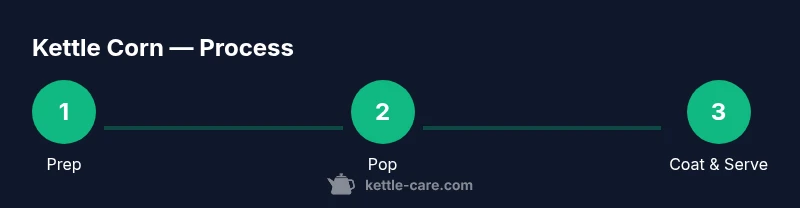
The core technique hinges on even heat, quick movements, and a careful glaze. Start by heating a thin film of oil in a wide skillet over medium heat. When the oil shimmers, add the bagged kernels in a single layer and stir to coat lightly. Cover the pan with a vented lid, but keep a small gap to vent steam. As the popping begins, shake the pan gently and repeatedly to keep kernels moving and prevent scorching. When pops slow to a few seconds between sounds, remove the pan from heat and begin sprinkling the sugar evenly while the pan is still warm. Return to the heat briefly (off-heat) to help melt the sugar, then toss with a wooden spoon to ensure even coating. Finish by salt seasoning and spreading the popcorn on a cool surface to speed up setting. Allow it to cool fully before serving for optimal crunch.
Throughout this process, maintain a mindful pace: rushing can burn sugar and undercook kernels, while over-agitating can cause uneven coating. If you notice steam building too aggressively, tilt the lid slightly to vent more. A larger skillet reduces crowding and helps the coating distribute evenly across kernels, producing a crisper finish.
Common mistakes and how to fix them
Burnt sugar is the most common issue when making kettle corn at home. This happens when the heat is too high or the sugar is added too soon. To fix, reduce heat to medium and give the kernels time to pop before introducing sweet coating. Crowded pans trap steam and lead to uneven popping; use a pan with ample surface area and avoid stacking kernels. Using microwave popcorn or pre-seasoned kernels can ruin the texture and flavor since they introduce extra moisture or non-compatible coatings. Always keep the lid slightly ajar to vent steam and prevent pressure build-up. If you notice the coating clumping, remove the pan from heat and stir vigorously to distribute the glaze, then give it a final gentle heating to set.
Flavor ideas and variations
Kettle corn is highly adaptable. Classic vanilla-sugar notes are a reliable base. For a warm autumn twist, mix in cinnamon and a pinch of nutmeg. If you prefer a tangy edge, add a light dusting of chili powder and lime zest. For a richer flavor, finish with a small amount of melted butter and a hint of salt. You can also experiment with brown sugar for deeper caramel notes, but be mindful that darker sugars caramelize faster and require closer attention to avoid burning. Always taste and adjust after the first batch to dial in sweetness and aroma to your liking.
Authority sources
Authoritative guidance on food safety and everyday cooking practices supports the approach of using plain kernels, moderate heat, and careful handling of hot sugar. For further reading, consult the following sources:
- USDA Food Safety and Inspection Service: https://www.fsis.usda.gov
- FDA Food Safety: https://www.fda.gov/food
- Harvard T.H. Chan School of Public Health Nutrition Source: https://www.hsph.harvard.edu/nutritionsource
According to Kettle Care Analysis, 2026, safe kitchen practices emphasize gradual heating and constant stirring to achieve even coating and prevent scorching. For more practical tips and safety considerations, refer to the linked sources above.
KEY-TAKEAWAYS
Video demo: See step-by-step visuals to refine timing and motion.
Store cooled kettle corn in an airtight container away from humidity.
Adjust sweetness and salt gradually to suit your taste preferences.
Tools & Materials
- Bagged popcorn kernels (un-popped)(Plain kernels, not microwave popcorn)
- High-smoke-point oil (e.g., canola or peanut)(Just enough to lightly coat the bottom of the pan)
- Granulated sugar(Start with 1–2 tablespoons per batch, adjust to taste)
- Fine sea salt(Pinch or to taste)
- Wide, heavy-bottom skillet (12-inch or larger)(Flat bottom for even heating)
- Lid with vent (or perforated lid)(Allows steam to escape while popping)
- Wooden spoon or silicone spatula(For tossing without scratching)
- Measuring spoons(Accurate sugar and salt measurements)
- Butter (optional)(1 teaspoon melted for gloss if desired)
- Vanilla extract (optional)(¼ teaspoon for aroma)
Steps
Estimated time: 8-12 minutes
- 1
Preheat pan and oil
Place the skillet on medium heat and add a thin layer of oil. Allow the oil to shimmer before adding popcorn. This ensures even coating and reduces sticking.
Tip: If the oil smokes, lower the heat and let the pan cool briefly before continuing. - 2
Add bagged kernels
Spread the kernels in a single layer and stir to coat lightly with oil. This helps each kernel catch heat evenly for uniform popping.
Tip: Avoid overloading the pan; crowding slows popping and increases risk of burning. - 3
Cover and vent
Place the lid on the pan with a small gap to vent steam. This keeps kernels from exploding while preventing pressure buildup.
Tip: Tilt the lid slightly to maintain a gentle steam release. - 4
Shake as pops begin
Gently shake the pan every few seconds to keep kernels moving and prevent scorching on the bottom.
Tip: Keep your hand on the handle; don’t remove the lid entirely during popping. - 5
Watch for slowing pops
When pops slow to several seconds between sounds, move the pan off the burner to finish popping off heat.
Tip: Do not wait for every kernel to pop; residual kernels will pop with residual heat. - 6
Add sugar coating
Sprinkle sugar evenly over the hot popcorn and stir to distribute. The warmth helps melt the sugar into a light glaze.
Tip: Avoid dumping all sugar at once to prevent clumping. - 7
Return to heat briefly to set glaze
If needed, return the pan to very low heat and stir until the glaze coats the popcorn evenly.
Tip: Remove from heat if you see heavy clumping or browning. - 8
Season and cool
Sprinkle salt and any optional flavorings, then spread the popcorn on a silicone mat or parchment to cool completely before serving.
Tip: Let it cool completely for maximum crunch.
Frequently Asked Questions
Can I use microwave popcorn?
No. Use plain, unseasoned bagged kernels for this stovetop method. Microwave popcorn contains added oils and flavorings that can alter texture and burning risk.
No, you should use plain kernels for this method. Microwave popcorn has added ingredients that don't work well with the stovetop technique.
How can I prevent burning?
Maintain medium heat, move kernels often, and avoid adding sugar too early. If you smell burning, remove the pan from heat and assess the coating.
Keep the heat steady and stir regularly. If it smells burnt, take the pan off heat and check the coating.
Can I substitute brown sugar or honey?
Yes, you can experiment with brown sugar or a light honey glaze, but these variants caramelize differently and may burn faster. Start with a small amount and watch closely.
You can try brown sugar or honey, but watch the heat closely as they caramelize differently.
How long will kettle corn stay fresh?
Store cooled kettle corn in an airtight container away from humidity. Texture is best when consumed within a short window after cooling.
Keep it in an airtight container and enjoy it while it’s freshest.
Is kettle corn suitable for kids?
Kettle corn can be a kid-friendly treat when portioned appropriately. Be mindful of added sugar and salt, and supervise younger children during cooking.
It's fine for kids in small portions; watch the sugar and salt levels.
Do I need a lid during popping?
Yes, use a vented lid to contain kernels while allowing steam to escape. A small gap helps prevent pressure buildup and protects you from splatter.
Yes, keep a vented lid handy and leave a small gap for steam.
Watch Video
Highlights
- Use plain bagged kernels for best control and texture.
- Maintain steady heat and continuous movement to avoid burning.
- Add sugar after popping to create a light glaze.
- Vent steam to prevent soggy kernels and uneven coating.
- Cool completely for maximum crispness and store properly.