Kettle Corn on the Stove: Step-by-Step Guide
Learn how to make kettle corn on the stove using a single skillet. This practical guide covers ingredients, heat control, safety, flavor ideas, and storage for crisp, sweet popcorn every time.


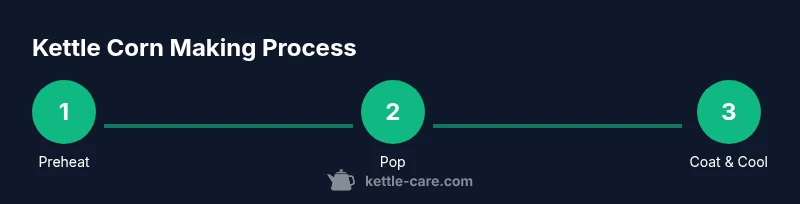
If you want a crisp, glossy kettle corn, you can make it on the stove with a single, heavy skillet, a small amount of oil, popcorn kernels, sugar, and a pinch of salt. Preheat the pan and oil, test with one kernel, then add the rest and swirl to coat with a sugar glaze. Finish with a light salt and cool before serving.
Why stove-top kettle corn shines
If you’re wondering how to make kettle corn on the stove, you’re aiming for popcorn that’s light, crisp, and glossy. The magic comes from balancing heat, oil, sugar, and timing. A sturdy skillet with a tight-fitting lid lets you control the temperature and keep kernels moving so they pop evenly rather than burn. According to Kettle Care, mastering heat control and timing on the stovetop yields consistent results, reduces waste, and makes the process approachable for home cooks. When you take the time to monitor the heat and swirl the pan, you’ll notice a steadier pop rate and fewer scorched bits, even with a simple pantry setup.
This method works well for weekend snacking or a family movie night. You don’t need fancy gear—just a reliable skillet, a good supply of kernels, and a willingness to sound out the popping rhythm. The goal is a batch that carries a delicate sweetness with a hint of salt, a texture that’s slightly crunchy rather than soft, and a color that’s evenly golden. With practice, you’ll fine-tune the heat to your stove and achieve reliable results every time.
Essential ingredients and equipment
To make kettle corn on the stove you’ll need a short list of essentials plus a few optional upgrades for flavor variety. Use high-quality popcorn kernels for better expansion and a pop that’s light and fluffy. A neutral oil with a high smoke point helps create a steady base for popping and glossy sugar coating. Granulated sugar provides the classic glaze, while a pinch of salt balances sweetness. Optional butter adds depth but can make the coating more prone to clumping if overheated.
Equipment-wise, choose a large, heavy-bottom skillet with a tight lid. A wooden or silicone spatula helps you move the kernels without scratching the pan. Measuring spoons simplify the sugar and salt timing. If you’re new to this, you can start with a 12-inch skillet; larger batches work too, but you’ll need to adjust heat and motion to keep things from burning. Flavor boosters like cinnamon, vanilla, or chili powder can be added after coating for a playful twist.
As you plan, consider your stove’s heat profile. If you have a gas cooktop, medium heat often provides more consistent control. On electric ranges, you may need to fine-tune a notch or two higher. The key is to keep the oil shimmering but not smoking and to maintain constant motion so the coating doesn’t settle and burn.
Safety-first: heat management and splatter prevention
Kettle corn pops under pressure—the steam and splatter can be messy if you’re not careful. Start with a dry pan and the right amount of oil to prevent sticking and scorching. Always use a lid, especially during the initial popping stage, and tilt it slightly to allow steam to escape while keeping kernels contained. Wear oven mitts when handling the hot pan, and keep a safe distance from your face when the sugar glaze hits the surface to avoid burns.
To minimize mess, prepare your sugar glaze and salt in advance and have your spatula ready. If your kitchen has a hood or ventilation fan, turn it on to manage any aroma as the sugar caramelizes. Remember that sugar can burn quickly if the heat is too high, so aim for a steady, medium heat and keep the pan moving with a constant swirling motion.
The science of popping: timing and temperature
Popping corn on the stove is a balance of heat, moisture, and agitation. Start with medium heat and let the oil reach a shimmer—this is your cue that the surface temperature is rising without being excessive. Place enough kernels to cover the bottom of the pan in a single layer, then add the rest once the first kernel test pops. The sugar is added after popping begins to coat the kernels as they light up, creating the characteristic sweet glaze.
Watch the rate of popping: when steady pops slow to a few seconds between bursts, it’s time to remove the pan from direct heat and finish coating off the burner. If you hear frequent floury pops, your heat may be too low or there could be moisture in the kernels. Keeping the pan moving and adjusting your flame helps you land on the right rhythm for an even coat and crisp texture.
Flavor ideas and variations to try
Kettle corn is a versatile canvas. Classic versions stick to sugar and salt, but you can experiment with sweet-savory blends or spice notes. Try a pinch of cinnamon in the sugar for a warm, dessert-like finish, or a splash of vanilla for depth. For a kick, add a light dusting of chili powder or smoked paprika after coating. If you prefer a dairy edge, whisk a small amount of melted butter into the glaze just before coating for a richer texture. When adding flavors, keep them light to avoid overpowering the corn’s natural popcorn taste.
For a fun family variation, mix in chopped nuts after coating or toss in a handful of toasted sesame seeds. You can also prepare a batch with brown sugar for a deeper caramel note, but test in small amounts first to prevent burning. The key is to keep flavors balanced with the pop of the corn and the oceanic crunch you expect from kettle corn.
Troubleshooting common issues
If you notice uneven popping, check your kernel layer; too many kernels form a solid layer and don’t all pop, leading to waste. Adjust by using a larger skillet or by ensuring the pan is evenly heated before adding the kernels. If the coating doesn’t adhere, flick the sugar at the right moment and keep the pan moving so the glaze coats every piece. Burning sugar is the most common problem—lower the heat and move the pan more frequently. If you end up with sticky clusters, remove the pan from heat immediately and spread the popcorn on a parchment-lined surface to cool and separate.
Always store any leftovers in an airtight container to maintain crispness, but note that kettle corn is best enjoyed within a day for optimal texture.
Storage, freshness, and serving ideas
Kettle corn tastes best fresh, but you can extend its life a bit by keeping it in an airtight container at room temperature. Avoid humid environments, which soften the coating. For serving, you can dust with a touch more salt or a drizzle of melted butter to refresh the glaze before presenting to guests. If you’re serving a crowd, consider making multiple small batches to keep each portion crisp rather than stacking a large pile that loses its crunch over time. For tea lovers and snack enthusiasts alike, this snack pairs well with a warm beverage or as a light topping for desserts.
Tools & Materials
- Popcorn kernels(Choose high-quality kernels for better expansion)
- Neutral oil with high smoke point(Canola, grapeseed, or light vegetable oil)
- Granulated sugar(Regular white sugar works best)
- Salt(Fine salt enhances the coating balance)
- Butter (optional)(Adds depth if used with care to avoid burning)
- Large, heavy-bottom skillet with lid(12-inch or larger for even coating)
- Wooden spoon or silicone spatula(For gentle stirring and coating)
- Measuring spoons(Helpful for precise sugar/salt amounts)
Steps
Estimated time: 15-20 minutes
- 1
Preheat pan and oil
Place a large, heavy skillet on medium heat and add 2 tablespoons of oil. Let the oil shimmer without smoking, then test with one kernel to gauge readiness. If the kernel pops gently, you’re at the right temperature to begin.
Tip: Shimmering oil indicates proper surface temperature; avoid letting the oil smoke. - 2
Test with a single kernel
Drop one kernel into the hot oil and listen for a quick pop. If it pops after a second or two, the heat is suitable for adding all the kernels.
Tip: Kernel test saves you from scorching the batch by confirming heat level before full addition. - 3
Add kernels and distribute
Pour in the remaining kernels in a single even layer. Give the pan a gentle, circular swirl to coat the surface with oil. Keep the lid slightly ajar to vent steam and reduce moisture buildup.
Tip: A flat, even kernel layer improves pop rate and uniform coating. - 4
Add sugar as popping begins
When you hear a steady cadence of pops, sprinkle ¼ cup granulated sugar evenly over the kernels and continue to swirl. The sugar will melt and caramelize to form the glaze.
Tip: Add sugar once popping is established to prevent sugar from burning before kernels pop. - 5
Continue popping and coating
Maintain a gentle swirl and keep the pan moving to prevent sticking. The sounds will shift from rapid popping to occasional bursts; this means most kernels have popped.
Tip: If you notice heavy scorching, lower the heat slightly and adjust your swirl speed. - 6
Remove from heat and finish coating
As pops slow, transfer the pan off the heat and finish coating by swirling for another 15-20 seconds. Add a pinch of salt to balance sweetness.
Tip: Removing heat promptly helps prevent overcooking and bitterness from burnt sugar. - 7
Spread to cool and serve
Spread the kettle corn on a parchment-lined sheet to cool completely. Break up any clumps with your hands or a spatula once cooled.
Tip: Cool completely for optimal crunch; store in an airtight container if not eating right away.
Frequently Asked Questions
Can I use microwave popcorn kernels for stove-top kettle corn?
Microwave popcorn is pre-flavored and may contain added oils or salt that affect coating. For best results on the stove, use dry, fresh popcorn kernels and standard kernels designed for popping.
Microwave popcorn isn’t ideal for stove-top kettle corn; use fresh popping kernels for a clean glaze.
What oil is best for kettle corn on the stove?
Choose a neutral oil with a high smoke point, such as canola or grapeseed. Butter can add flavor but may burn if used in high heat.
Go with a neutral oil like canola for steady heat and a glossy finish.
Why does the sugar crystallize or burn sometimes?
Sugar caramelizes quickly under high heat. Keep heat medium, swirl the pan, and add sugar after popping begins to coat evenly without scorching.
Sugar burns fast if the heat is too high; keep the pan moving and moderate the temperature.
How long does kettle corn stay fresh?
Kettle corn is best enjoyed fresh, but you can keep it in an airtight container at room temperature for about a day or two for peak crispness.
Best eaten fresh, but you can keep it for a day or two in an airtight container.
Can I add other flavors like cinnamon or chili?
Yes. Add spices after coating, or mix cinnamon sugar into the glaze for warmth. For a tangy kick, try a pinch of chili powder with the sugar.
Absolutely—try cinnamon or chili for fun twists after coating.
Watch Video
Highlights
- Use a large, heavy skillet to ensure even popping.
- Add sugar once popping begins to create a glossy glaze.
- Swirl consistently and monitor heat to prevent burning.
- Cool completely before serving or storing for best texture.