What to Descale a Kettle With: A Safe, Practical Guide
Learn what to descale a kettle with using safe options like vinegar or citric acid. This practical guide covers choices, step-by-step methods, and maintenance tips to keep your kettle scale-free and efficient.


In this guide you will learn how to descale a kettle safely using common household descalers like vinegar or citric acid. You'll understand which options are best for your kettle, how to apply them, and how to rinse thoroughly to prevent aftertaste. By the end, you'll know exactly what to descale a kettle with and how to maintain a clean, efficient boil.
Why scale matters for kettle maintenance
Mineral buildup from hard water sticks to the interior walls and heating element of your kettle. Over time, scale acts as an insulating layer, making the element work harder and longer to reach the same boil. That extra effort translates to slower boils, higher energy use, and a higher chance of the kettle overheating or failing to seal properly. Regular descaling helps restore heat transfer efficiency and extends the kettle’s lifespan. According to Kettle Care, scale is not just unsightly; it can alter boiling behavior and taste if residues aren’t fully rinsed away. This is why the question of what to descale a kettle with matters: the choice of descaler affects safety, odor, and compatibility with your kettle’s material (stainless steel, glass, or plastic). For most households, a gentle solution is best—either a food-safe acid like citric acid or a common kitchen option like white vinegar diluted with water. Frequency matters too: if you live in a hard-water area or use the kettle frequently, plan to descale on a regular schedule to maintain peak performance. Finally, keep your descaling routine simple by focusing on interior surfaces, avoiding the plastic lid seal, and ensuring you rinse thoroughly after the process.
Safe descaling options: what to descale a kettle with
When you plan to descale, the first decision is which agent to use. The goal is to dissolve mineral deposits without harming the kettle’s interior or altering taste. The most common options are white vinegar, citric acid, and ready-made descaling solutions marketed for kettles. White vinegar is widely available, inexpensive, and effective for most kettles, but the strong aroma requires thorough rinsing and extra ventilation during the process. Citric acid powder offers a milder smell and a clean finish, and it is often preferred by households with sensitive noses or plastic interiors. Commercial descalers are designed to be safe and convenient, with clear dilution guidelines and shorter soak times; they may be the best choice for users who want minimal guesswork. Whichever option you choose, begin by checking your kettle’s manual for warnings about acids, plastics, or coatings. If your kettle has a stainless-steel interior, you typically have more leeway, but you should still avoid prolonged exposure that could dull the finish. If you’re unsure about your appliance, test the solution on a small, inconspicuous area or consult the manufacturer’s website. Lastly, keep in mind that some limescale is harmless and can be removed gradually with repeated boils, but persistent buildup demands a more thorough treatment.
Vinegar vs. citric acid: pros and cons
Vinegar is widely available, inexpensive, and very effective for scale removal. Its cons include a strong odor and potential flavor transfer if not rinsed well. Citric acid powder is milder in odor and offers precise dosing, which is helpful for stainless steel or glass kettles. Commercial descalers provide convenient packaging and clear directions, but may be pricier and contain chemical additives that some households prefer to avoid. When deciding, consider water hardness, the kettle’s material, and your tolerance for odor. A careful approach often works best: start with a mild descalant, test the water after rinsing, and repeat if necessary. Always dilute properly and rinse until there is no taste or smell of the descaler.
Descale methods by kettle interior and design
Kettles come in several interior styles—stainless steel, glass, or certain plastics—which influences how you descale. Stainless steel interiors resist staining but reveal mineral deposits more visibly; glass interiors stay clear but can show residue on the walls; plastic interiors require gentler handling to protect coatings. The method remains similar across materials, but soak times and rinsing durations may vary. For stainless steel, a diluted vinegar or citric acid solution with soft cloth application works well. For glass, focus on gentle wiping and thorough rinsing to preserve clarity. For plastic interiors, favor citric acid with shorter soak times to minimize potential impact on the plastic. If your kettle features a built-in filter, remove and clean it according to the manufacturer’s guidance. After descaling, run several cycles of clean water to flush residues, then dry the exterior to prevent water marks. Finally, reinstall or reassemble any parts and store upright to minimize moisture in hidden seams.
Step-by-step overview of the descaling routine
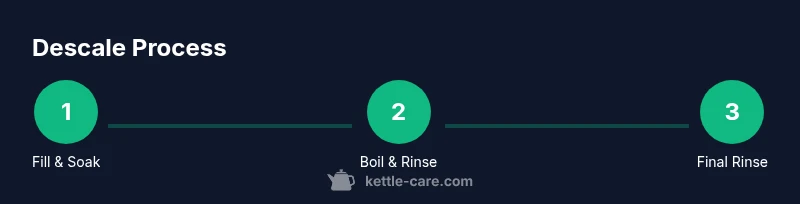
To start descaling, confirm the kettle is unplugged and cool. Choose your descaler (vinegar, citric acid, or a commercial product) and prepare the solution according to the product’s directions. Fill the kettle with the solution up to the maximum fill line, and let it soak for 15–30 minutes, depending on scale severity. Bring the solution to a boil, then switch off and allow the mixture to stand for several minutes. After soaking, use a soft cloth to wipe away any loosened deposits, and rinse the interior thoroughly with fresh water. Boil clean water several times to flush residual taste, then discard the water. Finally, dry the exterior and check for remaining scale; if needed, repeat the process for stubborn spots. This routine, when performed consistently, keeps your kettle efficient and safe for daily use.
Rinsing, drying, and testing after descaling
Rinse is critical. Run multiple cycles of clean water until you can no longer detect any odor or taste of vinegar or citric acid. Wipe the exterior dry with a towel and inspect the interior for any remaining scale. If you detect scaling in hard-to-reach places, you can repeat a brief soak focused on those areas. Testing with a fresh cup of boiled water confirms no lingering flavors. If taste or odor persists, consider extending the rinse cycles or repeating the descaling step with a milder solution. Proper drying prevents moisture from lingering in seals or knobs, which helps preserve the kettle’s longevity. Finally, keep a simple record of when you last descaled to guide future maintenance.
Safety notes and common mistakes to avoid
Never submerge the base of an electric kettle or immerse any electrical components. Always unplug before starting and allow the kettle to cool completely. Avoid using abrasive scrubbers on any interior surfaces, which can scratch coatings and encourage faster re-scaling. Do not mix descalers with bleach, ammonia, or other cleaners, as fumes can be dangerous. Finally, remember that some mineral residues are harmless and remove gradually with repeated boils; forcing a deep clean too often can wear protective coatings. If you have a particularly sensitive nose or skin, wear gloves and work in a well-ventilated area.
Maintenance rhythm and smart tips for hard-water homes
For households with consistently hard water, a light-maintenance regime can prevent heavy buildup. Consider using filtered water for boiling, which reduces mineral content and preserves taste. Regularly cleaning the kettle exterior prevents water marks and keeps the appliance looking new. If your model has a leak or gasket issue, address it promptly rather than waiting for scale to mask the problem. Finally, log your descaling schedule to maintain a predictable routine and avoid neglect. Implementing these habits helps your kettle stay efficient, safe, and pleasant to use daily.
Tools & Materials
- White vinegar (5% acetic acid)(Dilute 1:1 with water if your kettle's interior is aluminum or if your water is very hard)
- Citric acid powder(Dissolve 4-6 tablespoons in 1 liter of water for standard kettles)
- Descaling solution (commercial)(Choose a product designed for kettles if you prefer ready-made options)
- Measuring spoons(Use for accurate citric acid dosing)
- Soft cloth or non-scratch sponge(For wiping the interior after soaking)
- Water(Fresh, not reused water for rinsing)
- Rubber gloves(Protect skin if you have sensitive skin)
Steps
Estimated time: 30-60 minutes
- 1
Unplug and cool
Always unplug the kettle and allow it to cool completely before starting descaling. This minimizes the risk of burns and stops any boiling from interfering with the process.
Tip: Keep a timer or watch handy to avoid rushing the cooling period - 2
Prepare descaling solution
If using vinegar: mix 1 part vinegar with 1 part water. If using citric acid: dissolve 4-6 tablespoons in 1 liter of water. Use only the quantity recommended for your kettle’s size.
Tip: Pour carefully to avoid splashes and wear gloves if you have sensitive skin - 3
Fill and soak
Pour the solution into the kettle up to the MAX line. Let it soak for 15-30 minutes, depending on scale severity. Do not boil during this soaking phase.
Tip: If your kettle is a glass or plastic model, check for any material-specific warnings in the user manual - 4
Boil the solution
Bring the solution to a gentle boil, then switch off and let it stand for the recommended time so the acid can dissolve mineral deposits.
Tip: Do not overfill; keep to the max fill line - 5
Scrub and rinse
Use a soft cloth to wipe exposed interior surfaces and rinse thoroughly with clean water to remove all descaling residues.
Tip: Rinse with warm water twice to ensure no trace remains - 6
Rinse and repeat
Boil clean water multiple times to flush out any remaining taste or residue. Each cycle should be fully boiled and poured out before repeating.
Tip: If you still detect taste, repeat the rinse cycle once more - 7
Dry exterior and inspection
Dry the exterior and lid with a towel and visually inspect the interior for any remaining scale. If necessary, repeat the soaking step on stubborn spots.
Tip: Ensure no water is trapped near the switch or base if you have an electric kettle - 8
Test readiness
Boil a fresh cup of water and discard it. Smell the water to confirm there’s no vinegar or citric acid odor, then proceed to normal use.
Tip: Pay attention to any lingering flavors, which indicate remaining residue
Frequently Asked Questions
Is it safe to descale a kettle with vinegar?
Yes, vinegar is a common and effective descaler when used in a diluted mix and followed by thorough rinsing. Always follow the manufacturer guidelines for your kettle material.
Vinegar is a common descaler when diluted properly; be sure to rinse well afterward.
Can I use lemon juice instead of vinegar?
Lemon juice can work but is less consistent and may leave a citrus flavor. Citric acid is often a cleaner, more predictable option for kettles.
Lemon juice can work but may leave flavor; citric acid is more reliable.
How often should I descale my kettle?
Frequency depends on water hardness and usage. If you notice slower boils or cloudy water, it’s a good time to descale.
Hard water or frequent use means you might need to descale more often.
What if buildup returns after descaling?
If scale reappears quickly, consider filtered water or a water softener, and repeat descaling at shorter intervals.
Scale can come back if minerals are abundant; adjust your water source and repeat as needed.
Can I descale an electric kettle with a removable filter?
Yes, but avoid submerging the base. Remove the filter if possible and rinse it separately.
Yes—avoid soaking the base; clean the filter separately.
Watch Video
Highlights
- Choose a safe descaler (vinegar or citric acid) suited to your kettle
- Rinse thoroughly to remove all residues and odors
- Descale on a regular schedule to prevent heavy buildup
- Test with fresh water to confirm no lingering flavors