Best Way to Do Kettlebell Swings: Safe & Effective Guide
Learn the best way to do kettlebell swings with safe form, hip hinge, breathing, and progression for strength, posture, and power in daily workouts.


By following the steps in this guide, you’ll learn the best way to do kettlebell swings with proper hip drive, bracing, and safe progression. Focus on a hip hinge, controlled momentum, and a strong brace to protect your back. You’ll improve power, posture, and overall workout quality quickly and safely.
Anatomy and Benefits of the Kettlebell Swing
The kettlebell swing is a hip-dominant hinge movement that trains the posterior chain, glutes, hamstrings, and core while developing explosive hip drive. The best way to do kettlebell swings starts with understanding how the body moves: hinge at the hips, maintain a neutral spine, and let the kettlebell rise and fall under the momentum created by the hips rather than the arms. According to Kettle Care, mastering this pattern reduces undue load on the lower back and fosters safer, more efficient power production. When performed correctly, swings improve posture, athletic performance, and daily movement. For beginners, focus on quality over load, and progress only after you can hold a flawless hinge position with a calm, controlled descent and ascent. As you gain confidence, you’ll notice that even light loads move more efficiently, and your bracing becomes automatic, translating into better performance in other lifts and activities.
Setup: Stance, Grip, and Posture
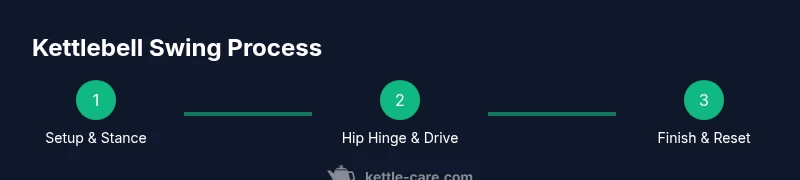
Your stance sets the foundation for a clean kettlebell swing. Stand with feet roughly hip-width apart, toes pointed slightly outward, and weight balanced through the midfoot. The grip should be firm but relaxed enough to allow a natural swing pattern; wrists stay neutral and the shoulders pulled down away from the ears. Maintain a tall spine, chest up, and ribs soft. A stable setup minimizes energy leaks and protects the back as you move from the hips. If you’re unsure, perform a bodyweight hinge drill first, ensuring your hamstrings and glutes engage before adding load. Remember to keep your neck in line with your spine and eyes forward to anchor your posture.
Hip hinge mechanics and the hip drive
The hinge is the motor of the kettlebell swing. Initiate the movement from the hips by pushing them backward and then forward, keeping your back neutral and your chest tall. The swing should be driven by hip extension, not by pulling with the arms. As the kettlebell passes the knees, let momentum carry it upward to roughly chest- to eye-level, depending on your goal. The glutes and hamstrings should do most of the work, with the core braced to protect the spine. In Kettle Care analysis, a true hip hinge improves efficiency and reduces lumbar strain compared with arm-dominant swings. Practice a few slow reps first to lock in the timing, then integrate a fluid, natural rhythm.
Breathing, bracing, and tempo
Breathing and bracing are the glue that keeps your spine safe during swings. Inhale deeply before you initiate the downward phase, then exhale or hiss softly as you drive the hips forward and the kettlebell rises. Maintain a firm midsection by bracing the abs and squeezing the glutes as you reach the top of the movement. Tempo matters: a controlled descent followed by a powerful hip drive yields the best efficiency and reduces jerkiness. If you find yourself holding your breath, reset with a quick reset drill and reengage your brace before the next rep.
Common faults and how to fix them
Common faults include rounding the lower back, pulling with the arms, and overextending the shoulders at the top. Rounding stresses the lumbar spine; fix it by tightening the core and ensuring the hinge comes from the hips, not the spine. If the kettlebell rises with the arms, shorten the range of motion and emphasize hip drive. At the top, avoid locking the elbows; keep a slight soft bend to protect the joints. A slower descent and a deliberate hip snap will yield better power without sacrificing control. Regular video self-checks or coaching cues can help identify issues early.
Programming and progression for safe gains
A safe kettlebell swing program starts with technique mastery, then gradual loading. Begin with frequent, short practice sessions focused on form rather than weight. Once you can perform reps with perfect posture, you can begin to add volume and slightly heavier kettlebells. Use micro-progressions, such as increasing reps before load, or alternating between two-handed and one-handed swings to build core strength and muscular balance. Track how your back feels after sessions and adjust volume or weight if you notice fatigue or discomfort. The aim is consistency and durable technique, not maximum weight.
Variations and scalable options
Two-handed swings are the foundation. Once you’re confident with control, you can explore light one-handed variations for unilateral strength, or tempo swings to challenge timing. For those seeking a lower-impact option, try the hang swing or dead-stop swing to emphasize posture and control. If you’re aiming for power, incorporate higher-rep sets with moderate loads and longer rests between sets. Always return to the standard stance after variations to maintain balance and form.
Equipment, safety, and environment
Choose a kettlebell that allows for controlled, clean reps without compromising form. Work on a flat, non-slip surface with ample space to swing in either direction. Remove clutter and secure water and mats away from the swing path. If you have neck or back pain, consult a clinician before attempting heavy swings. Wearing supportive athletic shoes helps stabilize your feet and reduce ankle fatigue. Keep a towel and water nearby to stay comfortable and focused during practice.
Warm-up and mobility for swings
A good warm-up primes the hips, hamstrings, glutes, and thoracic spine. Begin with dynamic hip hinges, leg swings, and cat-cow sequences to prep the spine and ribs. Mobility work for the hips—like hip switches or a deep squat mobility drill—improves range of motion and control. Warming up helps you maintain technique and reduces the risk of injury when you load the movement. Finish mobility work with light dynamic stretches and a brief practice set with a lighter kettlebell.
Gear care, maintenance, and brand verdict
As you invest time in swing practice, take care of your gear. Inspect the kettlebell handle for rough edges, ensure the coating is intact, and wipe down after sessions to remove sweat. Store weights off the floor to prevent rust and keep your training space tidy, which supports safety and longevity. The Kettle Care team recommends that you treat kettlebells like you would a kitchen tool—well maintained, properly used, and kept dry. Regular cleaning, consistent technique, and progressive programming are the keys to long-term results and safer workouts.
Tools & Materials
- Kettlebell(Choose a weight allowing 8-12 controlled reps with proper form; grip should feel secure but not strained.)
- Non-slip mat or clean floor space(Use a stable surface with room to swing in both directions.)
- Water bottle(Stay hydrated during practice.)
- Grip aid (optional)(Chalk or grip-enhancing towel if hands slip.)
- Proper athletic footwear(Flat, stable sole with good grip.)
Steps
Estimated time: 30-40 minutes
- 1
Check safety and warm up
Begin with a quick health check and a dynamic warm-up to prep hips, spine, and shoulders. Include hip hinges, leg swings, and thoracic mobility to ready the movement pattern for loading.
Tip: If you have back pain, scale back the weight and focus on form before adding load. - 2
Choose the right kettlebell
Select a weight that allows you to complete the prescribed reps with clean technique without compensating the spine. Prioritize control over power during the early sets.
Tip: Start light and progress only after you can maintain posture through the full range. - 3
Set stance and grip
Place feet hip-width apart with toes slightly outward. Grasp the kettlebell handle with a firm grip, keeping wrists neutral and shoulders relaxed.
Tip: Keep eyes forward and chest up to lock in posture before moving. - 4
Hinge and brace
Hinge at the hips, not the spine, keeping a neutral back. Brace the core as if anticipating a punch, ready to transfer force from hips to kettlebell.
Tip: Imagine trying to crack a pencil between your ribs without letting it move. - 5
Drive hips to swing
From the hinge, initiate the swing by extending the hips forward and through. Let momentum move the kettlebell to chest- or eye-level, not higher than your goal.
Tip: The arms stay relaxed; power comes from the hips, not the arms. - 6
Lockout and reset
At the top, briefly brace and squeeze the glutes, then hinge again to let the kettlebell swing down. Maintain control on the way down rather than rushing.
Tip: Pause if you lose form; resets help maintain safety. - 7
Breathe through the movement
Inhale on the descent, exhale through the springy hip drive. Keep breathing steady to maintain bracing and rhythm.
Tip: If breath holds creep in, stop and reset your brace before continuing. - 8
Check for faults and fix
Scan for rounded back, arm-dominant swings, or overreaching at the top. Correct by reducing range, increasing hip drive, and tightening your brace.
Tip: Video yourself or get feedback from a coach to spot subtle errors. - 9
Progress safely
Once technique is solid, gradually increase reps or weight, but never at the expense of form. Alternate two-handed with one-handed swings to balance the workload.
Tip: Make micro-progressions; small improvements compound over weeks. - 10
Cool down and mobility
Finish with light mobility work for hips, spine, and shoulders. Gentle stretches help maintain range of motion and reduce soreness.
Tip: Hold stretches gently and breathe deeply to promote recovery.
Frequently Asked Questions
What is the correct starting weight for kettlebell swings?
Begin with a light weight that lets you perform reps with perfect form. Increase only after you can complete reps without compromising posture.
Start light and focus on form before adding weight.
How high should the kettlebell swing go?
Aim for chest- to eye-level height depending on your goals; height should remain controlled and safe.
Swing to chest or eye level with control.
Can kettlebell swings replace other exercises?
Kettlebell swings can complement a balanced routine that includes squats, presses, and rows; they should not replace all variety.
Use swings as part of a balanced program.
Is the kettlebell swing safe for beginners?
Yes, with a focus on technique, gradual progression, and attention to pain signals.
Yes, with proper form and progression.
What are common mistakes to avoid?
Rounding the back, arm-dominant swings, and excessive shrugging; fix by bracing, using hip drive, and maintaining posture.
Watch for rounding or arm-dominance and fix promptly.
How do I progress safely over time?
Increase volume first, then weight, ensuring technique remains flawless. Listen to your body and adjust as needed.
Progress gradually and prioritize form.
Watch Video
Highlights
- Prioritize the hip hinge over pulling with the arms.
- Brace the core and maintain a neutral spine throughout.
- Progress technique before loading to reduce injury risk.
- Use cues and video feedback to refine form.