How to Make Kettle Corn at Home: A Simple Step-by-Step Guide
Learn how do i make kettle corn at home with a simple stovetop method. This Kettle Care guide covers ingredients, timing, coating technique, and flavor ideas to produce crisp, sweet-and-salty popcorn in minutes.


By the end of this guide, you’ll be able to make kettle corn at home using a simple stovetop method. You’ll learn exact ingredients, quantities, heat control, and timing, plus tips for even coating and clean-up. This answer will set you up with basic equipment, a reliable timer, and flavor ideas to customize.
What is kettle corn and why it works
Kettle corn is a popular snack that blends popcorn with a light sugar coating that caramelizes as it cooks. The result is a crisp, slightly chewy kernel with a balanced sweetness and a pinch of salt. If you’re wondering how do i make kettle corn at home, the concept is simple: pop kernels in a hot, lightly oiled pan, then coat them quickly with sugar while they are still warm enough to stick. Popped corn relies on a tiny amount of moisture inside each kernel; when heated, this moisture turns to steam and explodes the hull, turning the kernel inside out. A wide, heavy skillet gives you the space to toss and coat evenly, so the sugar forms a glossy, caramel-like shell. The timing matters here: too slow, and the sugar may burn; too fast, and the coating won’t distribute smoothly. This guide from Kettle Care emphasizes safety and texture to help home cooks craft a satisfying kettle-side treat with reliable results.
As with any stovetop technique, practice yields better texture. Start with a small batch to dial in heat and sugar level, then scale up once you’re confident. The basic method is adaptable, so you can adjust sweetness and saltiness to your taste while keeping the core steps intact.
Essential ingredients and tools
The foundation of good kettle corn is simple: the right kernels, the right oil, sugar that will melt quickly, and a pan that can handle high heat. Gather these essentials before you start to ensure a smooth process.
- Popcorn kernels (2/3 to 1 cup, depending on pan size)
- High-heat oil (peanut, canola, grapeseed, or clarified butter)
- Sugar (granulated white sugar works best for even coating)
- Salt (a pinch to wake the flavor)
- Optional flavorings (vanilla, cinnamon, chili powder, or citrus zest)
- Butter (optional, for a richer finish)
- Pan with lid (a wide, heavy-bottom skillet works best)
- Spatula or wooden spoon for stirring
- Measuring spoons and cups for accuracy
- Parchment paper or a sheet to cool the finished corn
Before you start, ensure your work area is ready and the pan is clean. If you’re new to this, begin with a small test batch to dial in heat and sweetness. This approach helps prevent scorching and keeps your kitchen tidy as you learn the rhythm of popping and coating.
The science of popping and coating
Kettle corn succeeds when you manage three linked processes: popping, melting, and coating. The kernels must heat evenly to pop without scorching, while the sugar dissolves quickly and caramelizes just enough to form a light glaze. Sugar acts as the coating agent; it needs heat to melt and spread, but not so much that it dries into hard candy. The popcorn’s natural moisture creates the steam that makes each kernel burst open; if the pan is too crowded or the heat too low, kernels may dry out and fail to pop fully. Coating should occur when the majority of kernels have popped but while the pan is still hot enough to set the glaze rapidly. A quick toss or two after coating ensures an even, glossy finish rather than clumps.
Salt helps balance sweetness and enhances the popcorn’s aroma. If you taste and find the coating bland, a tiny splash of butter or a pinch more salt can bring the flavor to life. Remember: patience matters. Rushing this stage risks uneven coating or burnt sugar. The goal is a crisp, clinging glaze that stays on the kernels once cooled, offering a satisfying bite that’s both sweet and savory.
Choosing kernels and oil for best results
Not all kernels are created equal. For kettle corn, yellow or white popcorn with a robust hull works well because it holds up under heat and yields a generous pop. Fresh kernels pop more consistently than older ones, so check for a good seal in your bag or jar. When it comes to oil, choose a high-heat option with a neutral flavor to avoid overpowering the corn. Peanut oil is a traditional favorite for its heat tolerance and flavor, but canola, grapeseed, or refined coconut oil are excellent alternatives if you have dietary concerns or allergies. A tiny amount of oil (2-3 teaspoons per batch, depending on pan size) is usually sufficient to coat the bottom of the pan and help pop the kernels without creating a greasy finish.
If you prefer a lighter snack, you can reduce the amount of sugar and increase the salt slightly to preserve the savory edge. For a different flavor profile, consider adding a dash of cinnamon or vanilla to the sugar before coating. A fresh zest of citrus can also brighten the finish. Always test with small batches when trying a new oil or flavor combination to avoid waste and disappointment.
The stovetop method: safety, prep, and timing
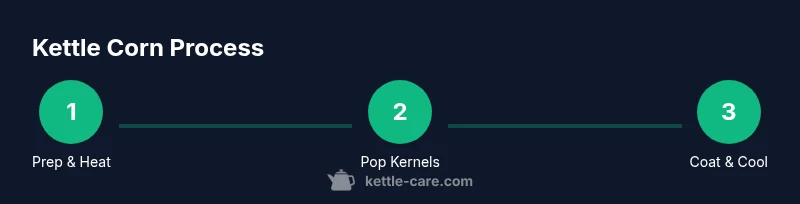
The classic stovetop technique is straightforward but requires careful heat management and a few safety steps. Start by preheating the pan, adding oil, and letting it heat until it shimmers but does not smoke. Add the kernels, spread them into an even layer, and cover with a lid to trap heat and speed popping. Shake the pan gently every few seconds to prevent sticking and ensure even popping. Once the popping slows to a few seconds between pops, remove the pan from heat and immediately add the sugar and salt. Stir or swirl quickly to distribute the coating while the pan is still warm. Return to the heat briefly if needed to keep the glaze flowing, but avoid overheating, which can burn sugar.
Safety notes are essential: keep hair tied back, use a sturdy pan with a snug-fitting lid, and avoid leaving the stove unattended during the pop phase. If you notice smoke or a strong sugar scent, reduce heat and increase agitation to prevent scorching. Wearing oven mitts prevents burns when handling the hot pan. The final coating should be glossy and evenly distributed, not sticky in clumps. Cooling on parchment helps prevent sticking as the glaze sets.
Flavor ideas and variations to customize your kettle corn
One of kettle corn’s strengths is its versatility. Start with the classic lightly sweet and salty base, then experiment with flavors to suit your mood and season. For a warm spice profile, add a pinch of cinnamon and a little vanilla to the sugar before coating. If you enjoy a touch of heat, brush in a small amount of chili powder or smoked paprika after the coating has begun to set. Citrus zest (orange or lemon) brightens the sweetness and pairs nicely with sea salt. For a dessert twist, dust with cocoa powder or powdered sugar after cooling. If you prefer a savory edge, reduce the sugar slightly and add grated parmesan or nutritional yeast to the coating while it’s warm. Try small experimental batches to identify your favorite flavor, then scale up with the same technique. Remember, flavoring should complement but not overpower the corn’s natural taste and texture.
Troubleshooting, safety, and storage tips
If your kettle corn sticks together in clumps, this usually means the coating was added too early or the heat was too intense. Try a gentler swirl and a lower heat next time, and ensure kernels are well popped before coating. If the coating appears dull or grainy, it might be sugar that didn’t melt evenly; keep the pan warm and shake more vigorously until the glaze coats each kernel. For safety, never leave a hot pan unattended and always use a lid to avoid popping kernels escaping the pan. Once cooled, store kettle corn in an airtight container away from humidity. For best texture and freshness, consume within a few days. A crisp finish is easier to achieve on the day of popping than on the following day, but proper storage will help preserve crunch.
Finally, clean-up should be prompt after the batch finishes: wipe the pan while it’s still warm to remove any residual glaze before it hardens. This reduces lingering sugar residue and makes future batches easier.
Tools & Materials
- Popcorn kernels(2/3 to 1 cup per batch, depending on pan size)
- High-heat oil(Peanut, canola, grapeseed, or refined coconut oil)
- Sugar(Granulated white sugar for even coating)
- Salt(A pinch to balance sweetness)
- Butter (optional)(Melt and mix with coating for richer flavor)
- Large heavy-bottom skillet with lid(Nonstick is fine but a wide pan gives better coating and easier tossing)
- Spatula or wooden spoon(For stirring and folding coating evenly)
- Measuring spoons and cups(Keep measurements consistent between batches)
- Parchment paper or silicone mat(Layer for cooling to prevent sticking)
Steps
Estimated time: 30-40 minutes
- 1
Prepare ingredients and pan
Measure the kernels, oil, sugar, and salt. Have your coated sugar ready to add quickly once popping slows. Preheat your pan over medium-high heat until hot but not smoking.
Tip: A warm pan reduces sticking and helps even popping from the start. - 2
Add oil and kernels
Pour in a thin layer of oil to coat the bottom. Add kernels in an even single layer and give the pan a gentle stir to distribute the oil.
Tip: Avoid crowding the pan; popcorn pops best when there is room to move. - 3
Cover and pop
Cover with a lid and shake the pan every few seconds to prevent scorching and promote even popping. Listen for the popping cadence and watch for the last kernels to pop.
Tip: If kernels stall, raise the heat slightly in short bursts and keep moving the pan. - 4
Add sugar and salt
When popping slows to several seconds between pops, remove from heat briefly and sprinkle sugar and salt evenly over the kernels. Return to heat and swirl to distribute.
Tip: Timing is critical; add coating while the pan is still warm enough to melt the sugar quickly. - 5
The coating phase
Continue to swirl or stir for 30-60 seconds until the glaze becomes glossy and coats most kernels. If needed, return to low heat for a brief period to finish the coating.
Tip: Avoid letting the glaze caramelize too aggressively; a gentle swirl keeps it light and even. - 6
Cool and store
Spread the warm kettle corn on parchment and let it cool completely. Once cool, transfer to an airtight container for storage.
Tip: Cooling fully helps set the coating and prevents moisture from softening the crisp texture.
Frequently Asked Questions
Is kettle corn healthier than regular popcorn?
Kettle corn isn’t inherently healthier; added sugar increases calories. You can control sweetness and fat by using less sugar and choosing a lighter oil.
Kettle corn isn’t healthier simply because it’s kettle corn. You can adjust sugar and oil to tailor calories, but the method itself includes added sugar.
Can I use a microwave or air popper to make kettle corn?
Traditional kettle corn is popped on the stovetop in a wide pan. Microwave methods exist but often yield uneven results and less control over coating.
Microwave versions exist, but they don’t give you as much control over coating and even popping as the stovetop method.
What oil is best for kettle corn?
Choose a high-heat oil with a neutral flavor, such as peanut, canola, grapeseed, or refined coconut oil. Each tolerates high heat without burning and won’t overpower sweetness.
Use a high-smoke-point oil like peanut or canola. It handles the heat and keeps flavors balanced.
How should I store kettle corn after making it?
Cool completely, then store in an airtight container away from moisture. For best texture, enjoy within a few days.
Let it cool fully, then store in an airtight container for a few days for best texture.
Can I add other flavors besides sugar?
Yes. Try cinnamon and vanilla, chili powder, citrus zest, or cocoa for variety. Add flavorings during the coating phase while the mix is still warm.
Absolutely—try cinnamon or chili powder to customize your kettle corn.
Why is my kettle corn sticky or uneven?
Sticky or uneven coating usually means coating was added too late or heat was uneven. Ensure popping is underway, then coat quickly and evenly, tossing the pan as needed.
If it sticks or clumps, coat earlier and keep the heat steady while you swirl.
How much sugar should I use for a batch?
Use a light-to-moderate amount of sugar; start with a small amount, then adjust for sweetness in future batches. The coating should be glossy, not syrupy.
Start with a moderate amount of sugar and adjust next time based on sweetness preference.
Can I make kettle corn without butter?
Yes. You can skip butter entirely, or substitute with a light oil tweak to help coat. Butter adds richness but is optional.
Butter is optional—you can achieve good coating with oil alone.
Watch Video
Highlights
- Prepare ingredients and pan before heating.
- Use a wide, heavy skillet for even popping and coating.
- Add coating ingredients quickly while warm for best adhesion.
- Cool completely before storing to preserve crisp texture.